Tennis Dampener Guide: Vibration Control & Pro Choices
In the nuanced world of tennis equipment, the vibration dampener is a small but significant accessory. This guide demystifies the terminology surrounding these devices, explores their function in vibration control, and highlights the preferences seen among professionals at the highest level, including during the Wimbledon Championships. Understanding this gear is a key part of optimizing your equipment setup.
Vibration Dampener
A vibration dampener is a small device, typically made of rubber or silicone, inserted into the string bed of a tennis racket. Its primary function is to absorb high-frequency vibrations and reduce the "ping" sound upon ball impact. While it does not affect power or control in a measurable way, it alters the feel and acoustic feedback, which many players prefer for a more solid sensation.
Shock Absorber
Often used interchangeably with "vibration dampener," a shock absorber technically targets lower-frequency oscillations. In practical tennis parlance, however, the terms are synonymous. These accessories are positioned at the bottom cross strings, and their core purpose is to dampen frame vibrations transmitted to the arm, potentially enhancing comfort during play.
String Bed
The string bed refers to the entire interconnected grid of main and cross strings within the racket head. It is the primary interface with the ball, governing control, spin, and feel. The placement of a dampener within the string bed influences the specific vibrational nodes it affects, though the effect is largely subjective.
Feel
In tennis equipment context, "feel" describes the subjective sensory feedback a player receives upon striking the ball. A dampener directly alters this by muting high-frequency vibrations, resulting in a perceived softer, more solid, or dampened feel. This is a personal preference, heavily influenced by a player's sensitivity to sound and vibration.
Acoustics
The acoustics of a tennis shot refer to the sound produced at impact. A dampener significantly deadens the sharp "ping" associated with a full string bed, creating a deeper, more muted "thud." Many players use this auditory cue as part of their feedback loop for judging shot quality.
Player Preference
The use of a dampener is almost entirely a matter of player preference. There is no competitive advantage or rule governing its use. Some professionals, like Roger Federer, never use one, while others, like Novak Djokovic, almost always do. It becomes a ritualistic part of their equipment setup.
Professional Usage
On the professional tours, dampener use is widespread but not universal. Choices are highly individual. At the All England Lawn Tennis and Croquet Club, you'll see a variety in play, from custom logo dampeners to simple rubber bands. Observing pro choices can inform amateurs, but personal testing is essential.
Custom Dampeners
Many professional players use dampeners branded with their personal logos, sponsor logos, or national flags. These function identically to commercial versions but serve as a minor piece of personal branding on court. They are a common sight during The Draw at major tournaments.
Rubber Band
A simple rubber band, often a #64 size, is a classic, low-cost alternative to a commercial dampener. When tied between two main strings at the bottom of the string bed, it effectively reduces vibration and sound. Its use is a nod to tennis tradition and practicality.
Polyester Strings
The rise of stiff polyester strings, favored for their spin and control, has increased the perceived need for dampeners for some players. These strings can transmit more crisp vibration, and a dampener can soften the feel, making powerful, spin-heavy games more comfortable.
Hybrid Stringing
Hybrid stringing combines two different string types (e.g., polyester mains with natural gut crosses) in one racket. This setup already alters vibration and feel. Adding a dampener to a hybrid bed is a further fine-tuning step, allowing players to dial in their preferred sensory experience.
Tension Loss
A common myth is that dampeners affect string tension. They do not. Tension loss occurs over time due to string elongation and material relaxation. A dampener sits passively within the string bed and has no mechanical influence on the tension of the strings themselves.
Placement
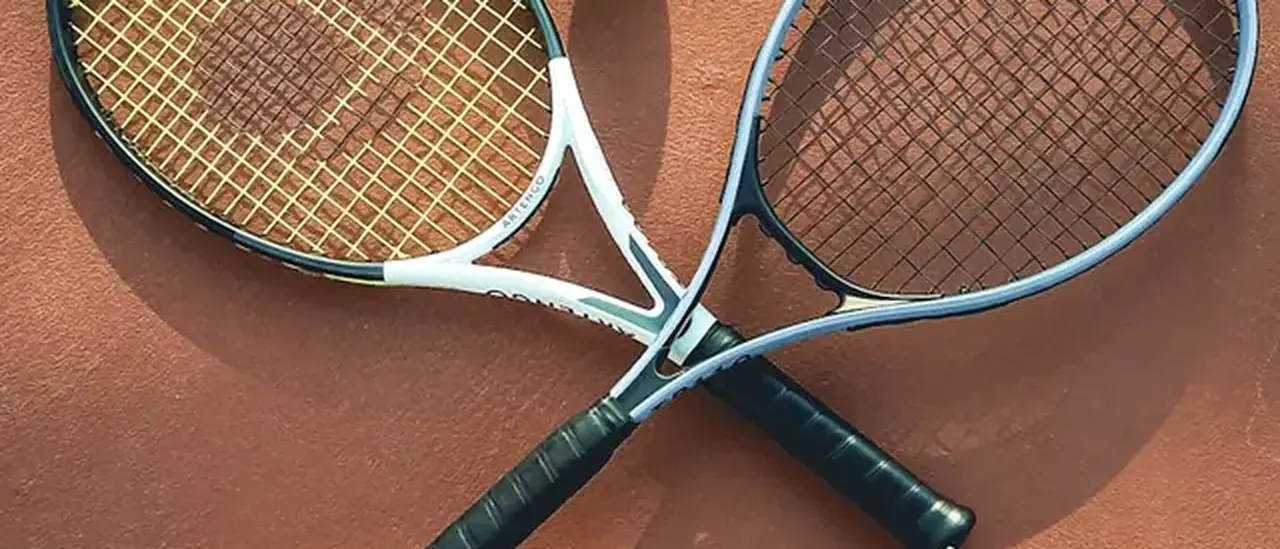
Dampeners are placed at the bottom of the string bed, usually between the bottom two cross strings and the first or second main strings from the center. This location is optimal for interfering with the vibrational patterns of the string bed without interfering with the ball strike zone.
Rule Compliance
The International Tennis Federation (ITF) rules permit vibration dampeners but stipulate they must be placed outside the pattern of crossed strings. This means they cannot be placed within the active hitting area, ensuring they do not impart additional spin or affect the ball's interaction with the strings.
Material Composition
Most dampeners are made from elastomers like silicone or rubber. These materials are chosen for their energy-absorbing properties and durability. The specific density and softness of the material can vary between brands, leading to subtle differences in the dampening effect.
"No Dampener" Play
Choosing to play without a dampener provides the rawest feedback from the string bed. Players who prefer this often cite a better connection to the ball and a clearer sense of where on the string bed they are making contact. It is the purest form of the racket's intended feel.
Arm Comfort
While not medically proven to prevent injuries like tennis elbow, a dampener can contribute to overall arm comfort for players sensitive to vibration. By filtering out high-frequency shock, it can make extended play sessions, such as those during the Wimbledon fortnight, feel less jarring.
Brand Varieties
Numerous brands manufacture dampeners, from major sports companies to specialized tennis accessory makers. They come in various shapes (worms, buttons, butterflies) and colors. The functional differences are minimal, so choice often comes down to aesthetics and secure fit.
Psychological Effect
The psychological impact of a dampener is significant. For many players, its presence is a ritual that signals readiness to play. The altered sound and feel can boost confidence, making shots feel more solid and controlled, a mental edge as valuable as any physical one.
Gear Integration
A dampener is one component of integrated tennis gear. Its effect is intertwined with racket model, string type, and tennis string tension. Optimizing your setup involves considering how all these elements, including the dampener, work together to produce your desired on-court performance.
Testing and Selection
The only way to determine if a dampener is right for you is through testing. Try playing with and without one, and experiment with different types. Pay attention to the feel on various strokes—serves, volleys, groundstrokes—to see how it affects your perception of the game.
Wimbledon Specifics
On the hallowed grass courts of Centre Court and No. 1 Court, the acoustics of the game are unique. The sound of the ball off the strings is part of the atmosphere. Whether a pro uses a dampener here is a personal choice, but it is one of the many fine details in their preparation for tennis's most prestigious event.
Summary
The tennis vibration dampener is a testament to the sport's attention to personal detail and feel. From simple rubber bands to custom-branded accessories, its role is to tailor sensory feedback to the player's preference. While it offers no mechanical advantage, its value in comfort, psychology, and personalized equipment setup is undeniable, making it a noteworthy piece of gear for amateurs and professionals alike, especially under the intense scrutiny of the Wimbledon Championships.



Reader Comments (0)