

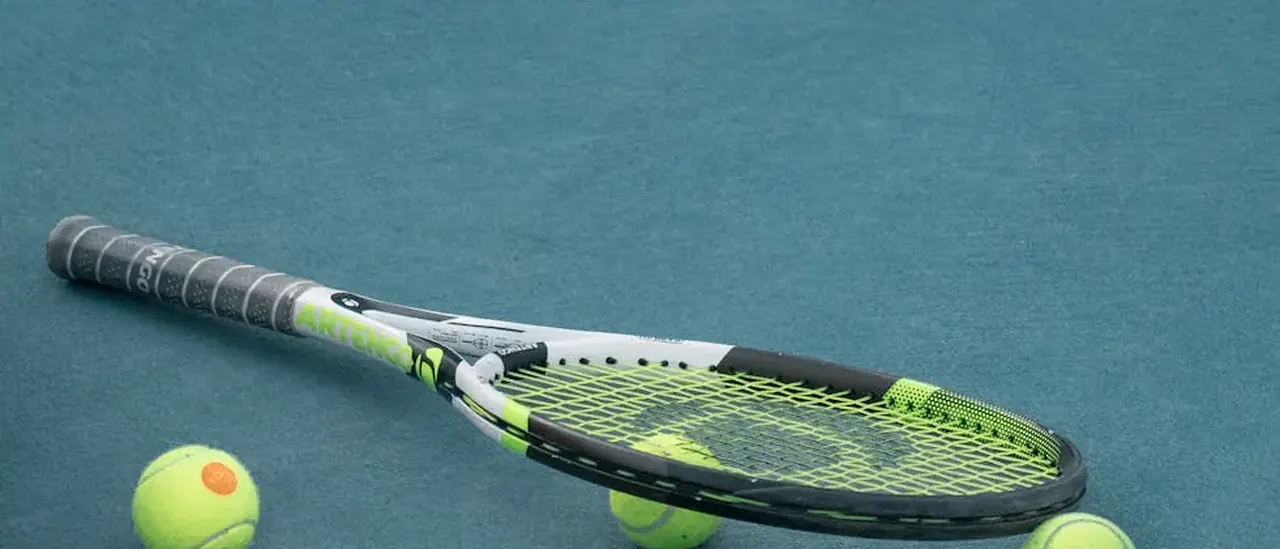
Your tennis racket is a precision instrument, and its bumper guard is the unsung hero of its longevity. This strip of plastic, running across the top of the racket head, is the first line of defense against the abrasive grass court at The Championships, Wimbledon, or the unforgiving hard courts where you train. A compromised bumper guard doesn't just look worn; it exposes your racket frame to catastrophic damage and can alter string integrity. This guide provides a practical, expert-level troubleshooting manual for identifying, fixing, and preventing bumper guard issues, ensuring your gear is always match-ready, whether you're dreaming of Centre Court or your local club.
Problem: Excessive Wear and Grooving
Symptoms: Deep, polished grooves worn into the bumper guard, particularly at the 10, 12, and 2 o'clock positions. You may hear a distinct scraping sound during low volleys or slice shots. The guard may appear visibly thin. Causes: This is the most common issue, caused by regular court contact. On grass surfaces, the abrasion can be accelerated by gritty soil. The style of play is a major factor; players who employ frequent slice backhands, low volleys, or dramatic follow-throughs that brush the court will see accelerated wear. It’s a hallmark of an aggressive net game, much like that seen during the intense opening week of the Wimbledon fortnight. Solution:- Assess the Depth: Use a fingernail to gauge the depth of the grooves. If the string is nearly exposed or the plastic is worn through to the graphite fibers of the frame, replacement is urgent.
- Temporary Mitigation: For minor grooving, you can carefully rotate a non-worn section of the guard into the high-wear position. This requires removing the strings, a job for a professional stringer.
- Permanent Fix – Replacement: Order a manufacturer-specific replacement bumper guard/grommet set. A certified stringer will:
Problem: Cracked or Split Bumper Guard
Symptoms: Visible cracks or fractures running along the length of the bumper guard. You might notice a slight rattling or catching sensation during swing. Causes: Impact with a hard, immovable object—a court fence, a bench, or the ground following an exasperated drop shot. Extreme cold can also make the plastic brittle and prone to cracking. A sharp impact, not just abrasion, is the culprit here. Solution:- Immediate Action: Stop playing. A cracked bumper can snag the court surface during a stroke, potentially twisting the frame and causing a break.
- Assess Frame Integrity: Before worrying about the bumper, inspect the racket frame beneath the crack for any hairline fractures. Flex the frame gently and listen for creaks.
- Professional Replacement Required: A cracked bumper guard cannot be repaired. It must be fully replaced by a professional. The cracking often damages the internal grommets as well, making a full bumper/grommet set replacement necessary to protect the strings from fraying on sharp plastic edges.
Problem: Detached or Lifting Bumper Guard
Symptoms: Sections of the bumper guard, typically at the ends or sides, have peeled away from the frame. You can slide a fingernail or pick underneath it. Causes: Often the result of a previous, partial impact that weakened the adhesive or plastic clips holding it in place. It can also occur if an old, brittle bumper guard was disturbed during a stringing job. Persistent catching on court surfaces will gradually pry it loose. Solution:- Do Not Glue It Yourself: Applying superglue or epoxy can create a mess, seal grommet holes, and make future professional replacement incredibly difficult. It can also damage the frame's paint and composite material.
- Temporary Securing: For a very small, lifted section, a tiny piece of clear, strong tape (like racquet head tape) can be used as a very short-term fix to prevent it from catching until you see a stringer.
- Professional Re-seating or Replacement: A stringer will determine if the entire guard needs replacement or if it can be carefully re-seated. This usually involves removing the strings, cleaning the channel, and ensuring the guard's retaining clips are properly engaged. If the guard has lost its shape or elasticity, replacement is the only reliable option.
Problem: Missing Grommets Beneath the Guard
Symptoms: Fraying or premature breaking of strings, often occurring at the top of the racket head. Upon inspection, you may find that individual grommet tubes (the small plastic cylinders inside the frame holes) are cracked, melted, or missing entirely. Causes: Natural degradation from age and UV exposure. Friction from the strings sawing back and forth during play can eventually wear through them. A poor stringing job using a too-hot tension head can also melt a grommet. Solution:- Identify the Culprit: Isolate which specific grommets are damaged. This often coincides with areas of bumper guard wear.
- Individual Grommet Replacement (Short-term): A stringer can sometimes install individual "Fittex" grommets to replace single damaged ones. This is a patch, not a long-term solution for multiple failures.
- Complete Bumper/Grommet Set Replacement: The correct, professional solution is to replace the entire bumper guard and grommet strip set. This ensures uniform protection and string friction across the entire head. It restores the racket to its original, factory-specified performance specifications.
Problem: Bumper Guard Affecting String Play
Symptoms: A "dead" or muted feel on off-center hits, particularly near the top of the frame. The ball may not come off the strings as crisply. Causes: An overly thick, aftermarket bumper guard or one that is improperly installed can press against the strings, dampening their vibration and reducing their effective playing length. It acts like an unintended vibration dampener. Solution:- Verify the Product: Ensure the bumper guard installed is the official, model-specific part from your racket's manufacturer. Third-party "universal" guards are often thicker and can cause this issue.
- Professional Inspection: Ask your stringer to check the installation. The guard should sit flush in its channel without pinching the strings. Sometimes, a slight trimming of the guard's inner flange is required during installation—a job for an expert with the right tools.
- Consider Material: Some high-performance bumper guards are designed with specific polymers to minimize interference. Discuss options with your stringer when replacing.
Problem: Aesthetic Degradation and Discoloration
Symptoms: The bumper guard is heavily scuffed, faded, or stained, making the racket look old and neglected, even if structurally sound. Causes: Normal wear and tear, UV exposure, and contact with clay, grass court stains, or colored court surfaces. While not a performance issue initially, it speaks to a lack of equipment care. Solution:- Cleaning: Use a soft brush and mild soapy water to scrub away surface dirt. Avoid harsh chemicals that can degrade the plastic.
- Acceptance vs. Replacement: This is primarily a cosmetic issue. If the guard is structurally intact, you can choose to live with the "battle-worn" look. However, for players who take pride in their kit—akin to the pristine Wimbledon traditions of tennis apparel—a replacement is inexpensive and makes the racket look and feel new. It’s a simple refresh that boosts confidence.
Prevention Tips: Prolonging Your Bumper Guard's Life
An ounce of prevention is worth a pound of cure, especially when protecting an investment like your tennis racket.
Racket Head Tape: Applying a strip of protective head tape over the bumper guard is the single most effective preventative measure. It takes the abrasion instead of the guard itself and can be replaced cheaply and easily. It’s essential gear for practice sessions. Mind Your Follow-Through: Be conscious of your stroke mechanics. Dragging your racket on the court after a shot is a habit worth breaking. Proper Storage: Never leave your racket in a hot car or in direct sunlight for prolonged periods. UV radiation and extreme heat weaken plastic. Regular Inspection: Make it a habit to inspect your bumper guard and strings after every few playing sessions, just as the pros' equipment is meticulously checked throughout The Draw at the All England Club. Professional Stringing: Always use a certified, experienced stringer. They will inspect your bumper and grommets with every string job and recommend replacement before a small issue becomes a frame-breaking catastrophe.
When to Seek Professional Help
While this guide empowers you to diagnose issues, certain scenarios demand a professional's touch. Seek out a certified racket stringer or technician if:
The frame is exposed: If wear has penetrated the bumper guard and you can see the racket's graphite/carbon fiber material. You suspect frame damage: Any hint of a crack or creak in the frame itself requires immediate expert assessment. A full replacement is needed: Installing a new bumper/grommet set correctly requires specific tools and expertise to avoid damaging the frame or compromising string integrity. * You're preparing for an important match or tournament: Before a key event, have your equipment professionally serviced. It’s the same principle of preparation that sees players fine-tuning every detail, from their string tension to the breathability of their fabrics, for the challenge of The Championships.
Your racket's bumper guard is a small component with a critical job. By understanding these common problems and solutions, you move from being just a player to being an informed custodian of your equipment. This proactive approach ensures your racket is always ready to perform, letting you focus on the match—whether you're navigating the first round or imagining the feel of lifting the Gentlemen's Singles Trophy on a hallowed London lawn. For more on optimizing your equipment, explore our comprehensive Wimbledon tennis gear hub.
Reader Comments (0)