

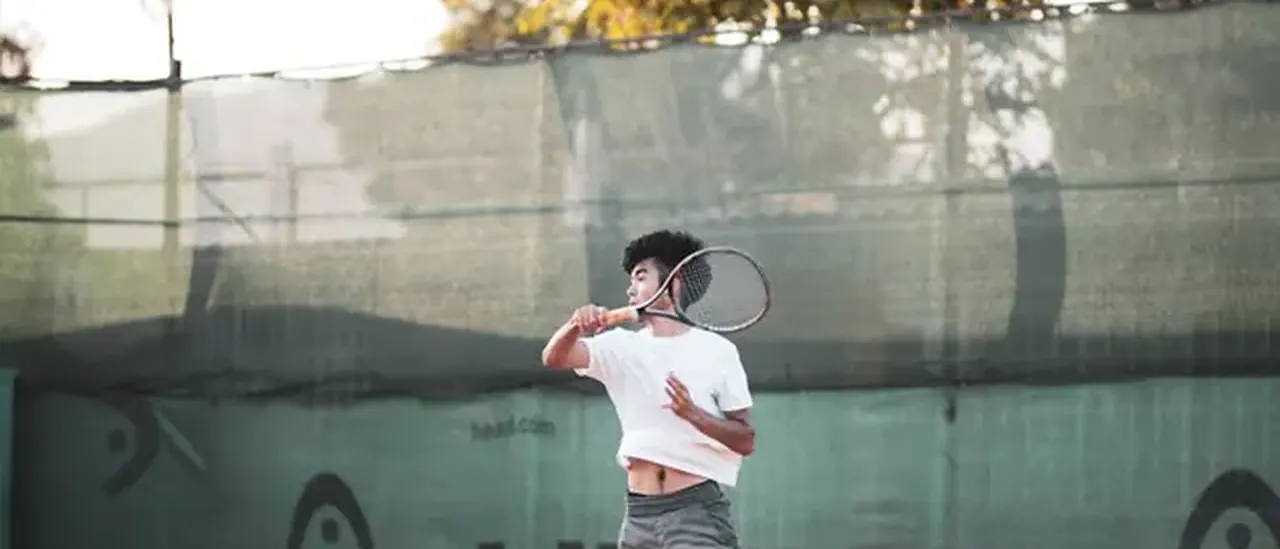
Your tennis racket is your primary tool on the court, an extension of your ambition and skill. At The Championships, Wimbledon, where the grass court demands precision and the pressure of the fortnight is immense, players rely on equipment in peak condition. From the hallowed turf of Centre Court to the intense battles on No. 1 Court, a well-maintained racket is non-negotiable. Yet, many players inadvertently shorten their racket's lifespan and compromise performance through improper care. This practical troubleshooting guide will help you diagnose common racket ailments, implement effective solutions, and establish preventative routines. By adopting the meticulous approach befitting the heritage of the All England Lawn Tennis and Croquet Club, you ensure your gear is always ready for its moment in The Draw.
Problem: Damp, Dirty, or Slick Grip
Symptoms: Loss of control during swings, the racket twisting in your hand, visible grime and discoloration on the grip, a persistent unpleasant odor, and increased blistering. Causes: The primary culprit is accumulated sweat, oils, and dirt from your hands during play. Humidity and storage in damp conditions exacerbate the problem, allowing mold and bacteria to thrive. This is as detrimental to your game as a slippery grass surface can be to footing. Solution:- Remove the Overgrip: If you use an overgrip, replace it regularly—this is your first line of defense.
- Clean the Base Grip: For a synthetic or leather base grip, create a mild cleaning solution with a few drops of dish soap in a cup of warm water. Dampen (do not soak) a clean, soft cloth or microfiber towel in the solution.
- Wipe and Scrub: Wring out the cloth thoroughly and wipe down the entire grip surface. For stubborn areas, use a soft-bristled brush (like a clean toothbrush) gently.
- Disinfect (Optional): For odor control, lightly spray the grip with a disinfectant spray designed for sports equipment or use a cloth with a small amount of rubbing alcohol. Avoid saturating the grip.
- Dry Completely: Wipe the grip with a dry towel and allow it to air dry fully, away from direct heat, before storing or re-gripping. Never store a racket with a damp grip.
Problem: Frayed or Broken Strings
Symptoms: Noticeable loss of power and control, inconsistent ball response, visible notching where strings cross, or complete string breakage. The distinctive "ping" of a clean hit is dulled. Causes: Natural wear and tear from impact and friction is the main cause. String material (natural gut is more delicate but offers superior feel, while polyester is durable but stiff), playing style (heavy topspin accelerates wear), and environmental factors like extreme heat or cold also contribute. A broken string during a match is as decisive as an unlucky break in the Wimbledon draw. Solution:- Immediate Action: If a string breaks, stop playing immediately to prevent further damage to the racket frame from the uneven tension.
- Assess the Rest: Check the remaining strings for deep notching. If multiple strings are heavily notched, a full restring is necessary.
- Consult a Professional: Restringing requires a professional stringing machine to ensure correct, even tension. Discuss your playing style, frequency, and string preferences with your stringer. For competitive players, regular restringing per year (often as many times as you play per week) is a key part of tennis gear upkeep.
- Post-Stringing Care: Avoid exposing newly strung rackets to extreme temperatures (e.g., a hot car trunk) which can cause premature tension loss.
Problem: Dust, Clay, or Grass Stains on the Frame
Symptoms: A grimy frame appearance, with particulate matter lodged in the grommet holes or bumper guard. On a lawn tennis court like Wimbledon’s, grass stains are common. Causes: Court surface debris, ball fuzz, and general environmental dust adhering to the frame. This buildup can, over time, abrade the frame's finish and even interfere with string movement. Solution:- Dry Brush: Use a soft-bristled brush to dislodge any loose dirt, grass, or clay from the frame, bumper guard, and grommet strip.
- Damp Wipe: Dampen a soft cloth with water. For tougher stains, a tiny drop of mild soap can be used. Wipe the frame thoroughly, taking care around the string bed.
- Clean the Grommets: Use a cotton swab or the corner of your cloth to clean inside the grommet holes gently.
- Dry Immediately: Always dry the frame completely with a separate clean, dry cloth to prevent any moisture-related damage.
Problem: Frame Scratches, Chips, or Paint Damage
Symptoms: Cosmetic scratches, chips in the paint or graphite, and a generally worn appearance. Deep impacts can cause more than surface damage. Causes: Court scrapes (especially on low volleys or serves), contact with other rackets, abrasive court surfaces, or careless storage. While some wear is a badge of honor, deep damage can compromise structural integrity. Solution:- Clean the Area: Ensure the scratched or chipped area is clean and dry.
- Assess the Depth: For superficial paint scratches, a small amount of clear nail polish can be carefully applied to seal the area and prevent further chipping. For deeper chips into the graphite, this is a cosmetic fix only.
- Protect the Bumper Guard: Consider applying a protective head tape. This sacrificial layer takes the abrasion instead of your frame, much like the advanced materials discussed in our review of performance fabrics, such as the medical fabric HSN code used in Germany, which prioritize durability.
- Professional Inspection: If the racket has suffered a severe impact or you see cracks (often hairline and near the throat or head), cease use immediately and consult a professional.
Problem: Loose or Damaged Butt Cap / Trap Door
Symptoms: The plastic cap at the end of the handle feels wobbly or has fallen off. The trap door (for adding weight) is cracked or missing. Causes: Impact from dropping the racket on its handle, wear from friction in a racket bag, or failure of the adhesive. Solution:- Retrieve and Clean: If detached, retrieve the butt cap. Clean any old adhesive from the cap and the handle end.
- Re-attach: Apply a strong adhesive like super glue or epoxy specifically designed for plastics and composites to the handle end.
- Secure and Set: Press the butt cap firmly into place, ensuring it's aligned correctly. Wipe away any excess adhesive and allow it to cure completely as per the product instructions before using the racket.
Problem: Damp or Musty Racket Bag
Symptoms: Unpleasant odors emanating from your gear bag, mold or mildew spots on the interior, and a general feeling of dampness on your racket handles and clothes. Causes: Storing sweaty clothes, damp towels, or wet rackets inside the bag and then zipping it closed. Poor ventilation creates a perfect breeding ground for bacteria and mold. Solution:- Empty and Vacuum: Completely empty the bag. Use a vacuum cleaner with an upholstery attachment to remove all dirt and debris.
- Deep Clean Interior: Create a solution of warm water and a small amount of mild detergent or specialized sports gear cleaner. Using a clean cloth, wipe down the entire interior lining of the bag.
- Disinfect: To kill odor-causing bacteria, use a disinfectant spray suitable for fabrics or a cloth with a diluted white vinegar solution.
- Air Dry Thoroughly: Turn the bag inside out if possible and leave it in a well-ventilated, dry area until completely dry. Never store gear in a bag that is even slightly damp.
Problem: Warping or Tension Loss Due to Improper Storage
Symptoms: A vague feeling of the racket playing "dead," or noticeable distortion in the frame shape. Extreme cases may show visible warping. Causes: Storing the racket in environments with extreme temperature fluctuations (e.g., a car trunk in summer) or high humidity. Leaving it under heavy objects or in a position where it bears weight can also cause warping. The constant pressure is as relentless as the wind can be on an exposed court, a factor critically examined in equipment reviews like our Cardo Beyond GTS GT wind tunnel test. Solution:- Immediate Relocation: Move the racket to a climate-controlled environment with stable, room-temperature conditions and moderate humidity.
- Correct Storage Position: Store rackets vertically in a bag with individual compartments, or horizontally on a rack where they are fully supported without pressure points. Never lean them against a wall at an angle for long periods.
- Loosen Strings for Long Storage: If storing a racket for several months (e.g., off-season), consider having a stringer lower the tension significantly to reduce constant stress on the frame.
Prevention: Building Championship Habits
Preventing problems is far easier than fixing them. Integrate these habits into your routine: Post-Match Wipe-Down: After every session, wipe down your grip and frame with a dry towel. This simple act is as essential as the Wimbledon traditions of strawberries and cream. Bag Hygiene: Never zip up sweaty clothes or damp towels with your rackets. Use ventilated compartments and moisture-wicking bags. Allow your bag to air out after use. Climate Control: Store your rackets indoors, away from radiators, air conditioners, direct sunlight, and damp areas like basements or car trunks. Use a Press/Individual Sleeves: For long-term storage or travel, use a racket press or individual thermal sleeves to protect frames from impact and pressure. Regular Grip Changes: Change your overgrip at the first sign of slickness. Replace your base grip at least once per season, or more if you play frequently.
When to Seek Professional Help
While diligent maintenance covers most issues, certain scenarios require expert intervention: Any Visible Crack or Fracture in the Frame: Stop using the racket immediately. A certified racket technician can assess if it's safe to play with, but often a crack means retirement. Persistent, Unexplained Vibration or Buzz: This could indicate internal damage or a loose component within the handle. Major Restringing Jobs: Always use a certified stringer with a calibrated electronic machine. Consistent, accurate tension is paramount. * Handle Resizing or Customization: Adding weight, changing the balance, or building up the grip size should be done by a professional to avoid ruining the racket's playability and structural warranty.
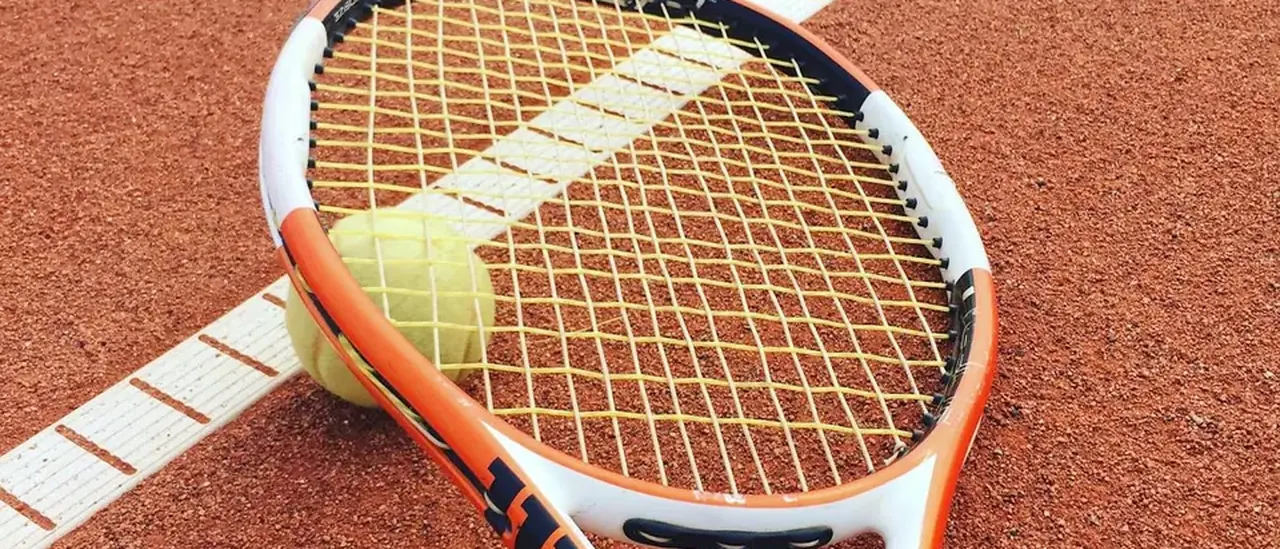
By treating your racket with the same reverence afforded the Gentlemen's Singles Trophy and the Venus Rosewater Dish, you invest in the consistency of your game. Proper maintenance ensures that your equipment, much like the champions who grace Centre Court, is always prepared to perform at its peak when it matters most. For more insights into optimizing your performance through equipment, explore our dedicated hub on Wimbledon tennis gear.
Reader Comments (0)