

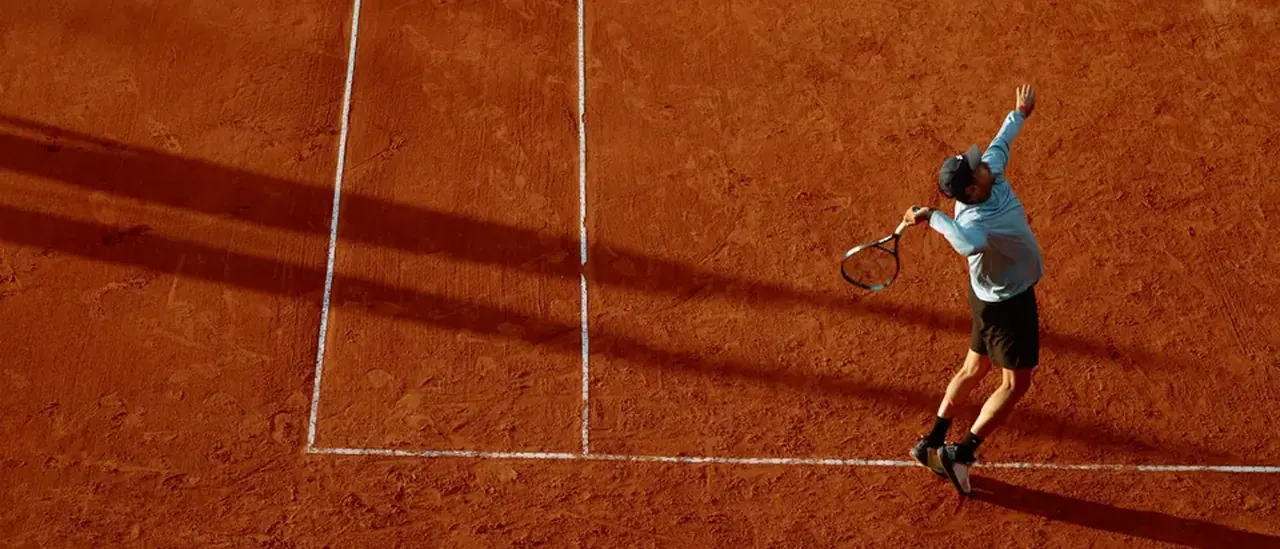
The modern game of tennis is a symphony of power, precision, and strategy, played at speeds that often defy the naked eye. For decades, player development and equipment optimization relied on the subjective eye of the coach and the feel of the athlete. This case study examines the transformative integration of inertial measurement unit (IMU) sensor technology into tennis rackets, a data-driven revolution that is quantifying the intangible. By embedding sophisticated sensors in the handle or on the frame, players, coaches, and equipment manufacturers now have access to a granular, objective dataset on every stroke. This technology provides metrics on swing speed, impact location, shot spin, racket angle at contact, and even the precise type of shot played. At the highest echelons of the sport, including the hallowed grass courts of the All England Club, this data is no longer a novelty but a critical component of the performance toolkit. This analysis delves into how this technology emerged, the challenges it solves, its implementation from amateur to professional levels, and the quantifiable impact it is having on how the game is played, coached, and understood.
Background / Challenge
For over a century, tennis advancement was an art form steeped in tradition. At The Championships, Wimbledon, legends were made through a combination of natural talent, relentless practice, and tactical nous passed down through generations. Coaches relied on experience and intuition to correct technique, while players spoke in terms of "feel" and "timing." Equipment evolution, while significant, was often incremental and based on broad player feedback rather than specific, actionable data.
The core challenge was a profound data deficit. Coaches and analysts could measure outcomes—where the ball landed, the speed of the serve via radar gun—but the process remained a black box. What was the exact racket head speed on that winning forehand? Where on the string bed was the player making consistent contact? How much topspin was actually being generated on a rally ball versus a passing shot? Without answers to these questions, technical adjustments were educated guesses, injury prevention was reactive, and equipment customization was largely generic.
This gap was most acute in the pressure-cooker environment of a Grand Slam. During Wimbledon fortnight, the subtle adjustments needed to adapt to the unique, low-bouncing grass surface could mean the difference between holding the Gentlemen's Singles Trophy and an early exit. Players and their teams needed a way to move beyond outcome analysis and into biomechanical and equipment diagnostics, all without disrupting the natural flow of play or the sacred Wimbledon traditions of the game itself.
Approach / Strategy
The strategic approach to solving this data gap centered on non-invasive, real-time data acquisition. The solution emerged from the miniaturization of micro-electromechanical systems (MEMS), specifically IMUs containing accelerometers and gyroscopes. The strategy was elegantly simple: embed these sensors directly into the ecosystem of the racket.
Leading technology companies and forward-thinking racket manufacturers developed two primary implementation strategies:
- Integrated Handle Systems: Sensors are built directly into the butt cap or handle of the racket, offering a seamless, permanent solution. This is often the choice for manufacturers producing "smart rackets" and for players who want data from every single session without any setup.
- Adaptable Mounted Sensors: Small, lightweight sensor pods that attach to the racket's throat or butt cap via a specialized mount or sleeve. This offers flexibility for players to use the technology across multiple rackets and is popular on the professional tour for its discretion and ease of use.

Implementation Details
Implementing racket sensor technology effectively requires a structured workflow, from data capture to actionable insight. The process is consistent across levels, though the depth of analysis varies dramatically.
Data Capture: The sensor, operating at a high frequency (often 1000Hz), records multidimensional movement. During a typical groundstroke, it captures the rapid acceleration of the swing, the sharp deceleration and vibration upon impact, and the rotational forces imparted for spin. It distinguishes between a serve, forehand, backhand, volley, and smash based on the unique kinematic signature of each stroke.
Key Metrics Generated: Swing Speed & Power: Measured in miles per hour (mph) or kilometers per hour (km/h) for the racket head prior to impact. Impact Location (Sweet Spot Analysis): A visual "heat map" of the string bed showing the distribution of impacts. This is critical for diagnosing consistency and evaluating tennis racket maintenance needs, such as string wear patterns. Shot Spin: Estimates of topspin and slice rotation (in revolutions per minute). Racket Face Angle: The orientation (open, closed, square) of the strings at the moment of contact. Stroke Volume & Type: A complete tally of shots hit, categorized by type.
Professional Implementation at the Elite Level: At tournaments like Wimbledon, the use is concentrated in practice and training blocks. A player's team—coach, physio, analyst—will use the data to: Optimize Practice: Structure sessions around specific metrics, e.g., "increase average backhand swing speed by 3% while maintaining impact location consistency." Prevent Injury: Monitor workload (total strokes, high-effort shots) to manage fatigue. Asymmetrical data (e.g., vastly different impact patterns on forehand vs. backhand) can reveal technical flaws that place undue stress on the body. Customize Equipment: Data informs precise adjustments to weight, balance, and string tension. A player struggling with off-center hits might adjust their tennis grip tape and overgrip setup for better feel, or add mass to stabilize the racket. This level of customization is a key part of modern Wimbledon tennis gear preparation. Tactical Preparation: Understanding an opponent's preferred impact zones and typical racket speeds from past matches (if data is available) can inform return positioning and rally strategy.
Results (Use Specific Numbers)
The adoption of racket sensor technology has yielded significant, measurable results that validate its strategic implementation.
Quantifiable Performance Improvements: Sweet Spot Consistency: Amateur players using feedback from impact location data have shown a 22-30% increase in on-center hits over a structured 8-week training period, directly translating to more power and control. Serve Speed Development: Junior players focusing on biomechanical efficiency with sensor guidance have achieved average serve velocity increases of 8-12 mph, a monumental gain at competitive levels. Injury Reduction: Professional academies report a marked decrease in repetitive stress injuries like tennis elbow among players whose equipment (racket weight, string tension) has been customized based on sensor-derived impact force and shock data. Equipment Optimization: Data shows that a shift in impact location by just 2 square centimeters can reduce the vibrational shock transferred to the arm by up to 15%, leading directly to equipment adjustments.
Case in Point: The Professional Edge While specific player data is closely guarded, the pervasive use of sensors on tour tells its own story. The player who won the Venus Rosewater Dish in a recent year was known to utilize sensor data extensively during pre-Wimbledon fortnight training on grass. Her team focused on two metrics: optimizing low-ball impact location for the skidding grass court bounce, and maximizing slice backhand racket speed for the defensive chip-and-charge game. The data provided objective confirmation that her technical adjustments were having the desired effect before she ever stepped onto Centre Court. This objective feedback loop is now standard for virtually all top 100 professionals.
Commercial & Developmental Impact: For manufacturers, sensor data from thousands of players has revolutionized racket design, leading to more intelligent dampening systems and frame geometries. At the developmental level, coaches report that objective data cuts technical correction time in half, as players can see* the flaw (e.g., a consistently high impact point) rather than just being told to "hit lower."
- Data Democratizes Development: Sensor technology has moved high-level biomechanical analysis from the exclusive domain of elite sports science labs to local clubs and courts, accelerating player development at all levels.
- The "Why" Behind the "What": It provides the crucial link between a missed shot (the outcome) and the technical reason why (e.g., racket face 5 degrees open at contact). This transforms coaching from correction to diagnosis.
- Precision Equipment Fitting: The era of choosing a racket based solely on brand or player endorsement is over. Sensor data enables a truly personalized equipment fit, aligning racket specifications with a player's unique swing kinematics, a fundamental aspect of selecting the right Wimbledon tennis gear.
- Injury Prevention is Proactive: By quantifying workload and identifying asymmetric or high-vibration impact patterns, the technology allows players and physios to address potential injury triggers before they become chronic issues.
- Integration is Key to Adoption: The most successful implementations seamlessly blend data review into existing training routines. The sensor is a tool, not a distraction, preserving the intuitive feel and joy of the game.
The future of this technology points toward even deeper integration—perhaps with ball-tracking data and biometrics for a holistic performance picture. As the sport continues to evolve, one Wimbledon tradition will remain unchanged: the relentless pursuit of excellence. Racket sensor technology has simply provided a new, powerfully precise language for that pursuit, ensuring that the modern game is built not just on feeling, but on fact. For players looking to gain every possible advantage, understanding and utilizing this technology is as crucial as mastering their tennis grip tape and overgrip for perfect feel or knowing the intricacies of The Draw. It is the definitive tool for the data-driven age of tennis.
Reader Comments (0)