


A pristine overgrip is one of the most underrated yet critical pieces of gear in a tennis player’s arsenal. At The Championships, Wimbledon, where matches on the hallowed grass courts of Centre Court and No. 1 Court can stretch for hours under intense pressure, a fresh, tacky grip can be the difference between a championship-winning volley and an unforced error. Just as the All England Club meticulously maintains its legendary lawns, a serious player must maintain their connection to the racket.
This guide provides a professional, schedule-based framework for overgrip replacement, drawing parallels to the rhythms and rituals of the Wimbledon fortnight. You’ll learn to move from reactive, feel-based changes to a proactive system that ensures optimal performance, hygiene, and consistency from your first practice serve to match point.
What You’ll Need
Before establishing your schedule, ensure you have the right tools for the job. Think of this as preparing your own Wimbledon Queue of supplies—everything should be in order and ready to go.
Fresh Overgrips: Purchase a multi-pack of your preferred brand and type (tacky, dry, or absorbent). Variety is not your friend here; consistency is key. Racket: Ideally, you should have at least two identical frames strung and gripped the same way, a common practice among pros at the Wimbledon tournament. Scissors or a Sharp Blade: For a clean cut of the finishing tape. Clean, Dry Hands and Workspace: Avoid contaminating the new grip’s adhesive with sweat, dirt, or moisture. (Optional) Base Grip Check: Occasionally, feel the underlying replacement grip. If it’s hardened, slick, or worn thin, it’s time to replace that as well. A new overgrip cannot resurrect a dead base grip.
For more on optimizing your entire equipment setup, explore our comprehensive /wimbledon-tennis-gear hub.
Your Step-by-Step Overgrip Maintenance Schedule
Adopt this schedule not as a rigid law, but as the seeding for your personal maintenance plan. Your specific play style, sweat levels, and conditions will determine your final "draw."
1. Establish Your Baseline: The Pre-Session Inspection
Before every hitting session or match, conduct a quick 10-second inspection. This is as fundamental as a player bowing to the Royal Box.
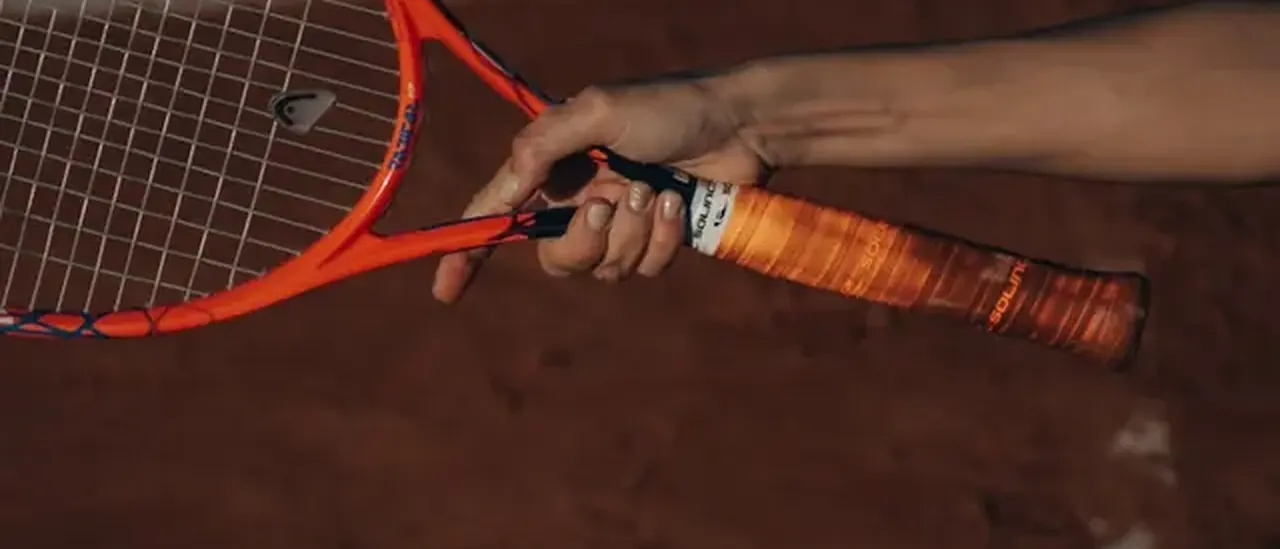
Look: Check for visible dirt, discoloration, or shiny, polished spots where the pattern has worn flat. Feel: Run your fingers along the grip. Is the original tackiness gone? Does it feel slick or hard? Pinch: Gently pinch the grip material at the top of the handle. Does it feel thin or worn through? Smell: This is non-negotiable. Any persistent odor means bacteria and sweat have permeated the material. It’s time for a change.
If you answer "yes" to any of these, apply a new overgrip before you play. Starting with a compromised grip ruins your feel and accelerates wear.
2. The Mandatory Replacement: After Every 6-8 Hours of Play
This is the core of the professional schedule. Regardless of visible condition, replace your overgrip after every 6 to 8 hours of cumulative court time.
Why? The polymers that provide tackiness degrade through friction, sweat (which contains oils and acids), and exposure to air. This degradation is often subtle and incremental—you adapt without realizing you’ve lost optimal feel. The Wimbledon Parallel: Consider this your Middle Sunday of racket maintenance. It’s a scheduled pause to reset and ensure everything is in perfect order for the week of play ahead. For club players, this often means a fresh grip at the start of each week.
3. The Conditional Replacement: Responding to the Elements
Like the All England Club grounds team responding to weather, you must adapt your schedule to conditions.
High Heat & Humidity: Sweat is the primary enemy. In sweltering conditions, a grip can become saturated and slick in under an hour. Replace it as soon as you lose a secure, dry feel. Consider using an absorbent, perforated overgrip designed for heavy sweaters. Rain or Damp Conditions: Even if you avoid playing in the rain, high moisture in the air can reduce tack. If your grip feels clammy or less secure, change it. Intense Match Play: Treat a long, grueling match like a Gentlemen's Singles Trophy final. The psychological and physical toll is high; don’t let equipment be a variable. If you’ve played a 3+ hour battle, reward yourself with a fresh grip for your next session, regardless of the 6-hour rule.

4. The Tactical Replacement: Before Critical Matches
Never walk into an important match—a club final, a league decider, a tournament semi-final—with a question mark over your equipment. This is a non-negotiable Wimbledon tradition for the serious player.
The Rule: Apply a brand new overgrip the night before or the morning of a critical match. This ensures maximum tack, comfort, and consistency. It eliminates any doubt and allows you a brief hitting session to get used to the fresh feel. Pro Insight: Many touring pros use a new overgrip for every single match, regardless of hours. For amateurs, adopting this practice for your most important matches is the next best thing.
5. The Application Process: Precision is Key
A poorly applied grip is as useful as a deflated ball. Follow these steps for a flawless finish.
- Peel & Align: Remove the backing tape from the thin end of the overgrip. Align the tapered end with the bottom edge of your racket handle, leaving a slight overhang to trim later.
- Wrap Tautly: Holding the grip at a consistent, slight angle (usually following the existing bevels), pull it taut as you wrap. The tension should be firm but not so tight that it stretches thin. Each wrap should slightly overlap the previous one (about 1/8 inch or 3mm).
- Finish Cleanly: When you reach the top of the handle, use the provided finishing tape to secure the end. Trim any excess at the bottom with scissors for a clean look and feel.
- Press and Set: Once wrapped, run your hands firmly along the grip to activate the adhesive and ensure it’s securely bonded.
Pro Tips & Common Mistakes
Don’t "Feel for Slickness" Mid-Match: Your schedule should prevent this. If you’re suddenly noticing a slippery grip during play, your maintenance has failed. Always have a pre-wrapped spare racket or a fresh overgrip in your bag. Avoid Over-Washing Hands Mid-Play: While hygiene is crucial, constantly washing your hands with soap and water between games can dry out your skin and paradoxically reduce friction with the grip. Use a dedicated tacky towel instead. Don’t Neglect the Rest of Your Gear: Your grip interacts with everything. Keep your hands dry with a quality towel and consider the role of your strings. Worn strings can cause you to grip the racket tighter, accelerating overgrip wear. For insights into modern equipment tech, learn about /tennis-racket-sensor-technology-data-tracking. Store Your Racket Properly: Never leave your racket in a hot car or in direct sunlight. Extreme heat can break down the grip’s adhesive and materials prematurely. * The Two-Racket Minimum: In competitive play, always have at least two identically gripped rackets. This is your safety net for a broken string or a sudden grip failure.
Your Overgrip Replacement Checklist: A Summary
Treat this checklist like the official Wimbledon draw—follow it, and you’ll be prepared for every round.
- Pre-Session Inspection: Before playing, visually and physically check for wear, slickness, thin spots, and odor.
- 6-8 Hour Rule: Proactively replace your overgrip after every 6-8 hours of cumulative play, regardless of apparent condition.
- Conditional Change: Immediately replace a grip saturated by sweat or compromised by rain/humidity.
- Tactical Preparation: Always apply a brand new overgrip before any critical or tournament match.
- Flawless Application: Wrap tautly, overlap consistently, and secure cleanly with the finishing tape.
- Bag Essentials: Always carry at least one spare overgrip (pre-rolled for quick application) and a sharp pair of scissors in your tennis bag.
- Two-Racket Standard: Maintain at least two match-ready rackets with fresh grips and strings.
Reader Comments (0)