

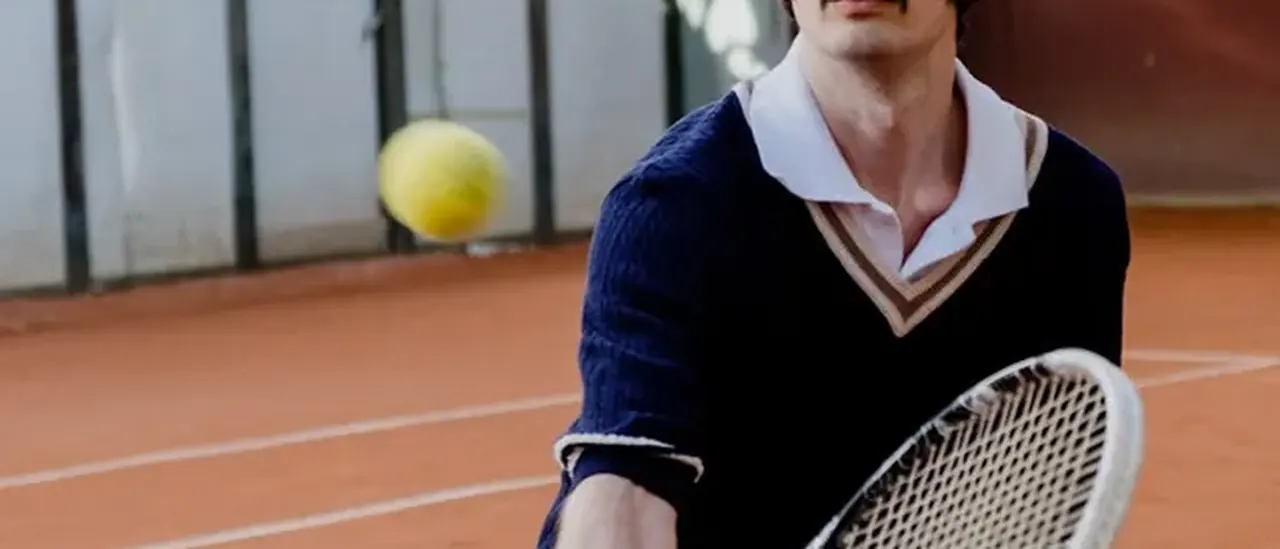
Playing on the hallowed grass courts of the All England Club is a dream for any tennis player. But the unique challenges of the Wimbledon fortnight—the slick surface, the intense schedule, the pressure of The Championships—can be a recipe for injury. Whether you're an aspiring club player inspired by the pros or a seasoned competitor, understanding how to navigate these physical demands is crucial.
This isn't just about elite athletes. The sudden stops, explosive changes of direction, and repetitive motions that define grass-court tennis put stress on anyone's body. From the infamous "grass court ankle" to nagging shoulder pain, the problems can be surprisingly common. Let's walk through a practical troubleshooting guide to keep you healthy, on the court, and maybe even imagining your name on the Gentlemen's Singles Trophy or the Venus Rosewater Dish.
Problem: The Slipping Ankle or Knee (The "Grass Court Twist")
Symptoms: A sudden, sharp pain in the ankle or knee during a lateral movement or change of direction. You might feel a pop, followed by immediate swelling, bruising, and difficulty bearing weight. It often happens when your foot seems to "stick" on the grass during a slide.
Causes: The grass surface, especially when worn or damp, offers less predictable traction than clay or hard courts. The surface can be deceptively slick, causing the foot to plant firmly while the body's momentum continues, over-stressing the ligaments in the ankle (a sprain) or the knee (often an ACL or meniscus issue). Improper footwear without adequate grass-court soles is a major contributor.
Solution:
- Immediate Action (First 48 Hours): Follow the POLICE protocol. Protect the joint from further injury (stop playing). Optimal Loading – this means gentle, pain-free movement if possible, not complete immobilization. Ice the area for 15-20 minutes every 2-3 hours. Compression with an elastic bandage to control swelling. Elevate the limb above heart level.
- Early Rehabilitation (Days 3-7): Once acute pain subsides, begin gentle range-of-motion exercises (e.g., drawing the alphabet with your toes for ankles). Focus on rebuilding stability with balance exercises like standing on one leg.
- Strength & Return to Play: Gradually introduce strength training for the surrounding muscles (calf raises, leg presses). Before returning to the grass court, ensure you can hop on the injured leg without pain. Invest in proper tennis shoes designed for grass or with a herringbone sole pattern for better grip.
Problem: Rotator Cuff or Shoulder Impingement ("The Serve & Volley Ache")
Symptoms: A dull, aching pain in the front or side of the shoulder, often worsening when you raise your arm to serve or hit an overhead. You might feel weakness, a catching sensation, or pain at night. This can plague players who rely on big serves or frequent net play, much like the classic Wimbledon serve-and-volleyers.
Causes: Repetitive overhead motions—serves, smashes, high volleys—place immense strain on the rotator cuff tendons and the bursa (a fluid-filled sac) in the shoulder. Overuse, poor serving technique (like "arming" the ball without proper leg and core engagement), and muscle imbalances between the chest and back muscles are primary culprits.
Solution:
- Immediate Rest & Activity Modification: Reduce or stop serving and overhead activities immediately. You may still be able to practice groundstrokes if pain-free.
- Address Inflammation: Apply ice to the front and side of the shoulder for 15 minutes after any activity.
- Correct the Imbalance: This is the long-term fix. Strengthen the rotator cuff and scapular stabilizers with exercises like:
- Technical Re-evaluation: Have a coach check your service motion. Power should derive from a kinetic chain—legs, core, torso—not just the shoulder joint.
Problem: Lower Back Strain (The "Baseline Grinder's Curse")
Symptoms: Stiffness and a deep ache in the lower back, often worse after long rallies or prolonged periods of bending for low balls. Pain may radiate into the buttocks but not typically down the leg (which could indicate a disc issue).

Causes: The low-bouncing ball on grass forces players into constant flexion (bending forward) and rapid extension. This, combined with powerful rotational forces during groundstrokes and a weak core, puts excessive load on the lumbar spine. Poor posture and weak gluteal muscles force the back muscles to overwork.
Solution:
- Acute Phase Management: Rest from aggravating activities. Use heat for muscle stiffness or ice for acute pain. Gentle walking can help.
- Core Stabilization is Key: You don't just need a "six-pack"; you need deep core stability.
- Improve Hip & Hamstring Mobility: Tight hips and hamstrings force the lower back to compensate. Incorporate dynamic stretches like leg swings and lunges into your warm-up.
Problem: Tennis Elbow (Lateral Epicondylitis)
Symptoms: Pain and tenderness on the outside of the elbow, which may radiate down the forearm. Weakness in the grip, making it painful to shake hands, lift a racket, or hit a backhand (especially a one-hander).
Causes: Contrary to its name, it's often not just an inflammatory condition but a degenerative one from overuse. On grass, where points can be quicker, players may over-grip or tense up, straining the tendons that attach to the elbow. A late backhand preparation or using a grip that's too small can exacerbate it.
Solution:
- Load Management: Reduce the volume of hitting, particularly backhands. Consider a temporary switch to a two-handed backhand if you use a one-hander.
- Equipment Check: This is critical. Ensure your racket is not too heavy or too stiff. A grip that's too small forces you to squeeze tighter. A professional stringer can advise on a more arm-friendly string (softer multifilament or natural gut) and lower tension.
- Rehabilitative Exercises:
- Consider a Counterforce Brace: A strap worn just below the elbow can help disperse tendon load during play.
Problem: Calf Strain or Achilles Tendonitis
Symptoms: For a strain: a sudden, sharp "snapping" or pulling sensation in the calf muscle. For tendonitis: a gradual onset of stiffness and pain in the Achilles tendon (back of the ankle), often worse in the morning or at the start of play.
Causes: The explosive first-step movements required to reach short balls or rush the net on grass place huge demands on the calf-Achilles complex. Inadequate warm-up, tight calf muscles, and sudden increases in training intensity or volume are common triggers.
Solution:
- For an Acute Calf Strain: Follow the POLICE protocol immediately. Crutches may be needed for severe tears. Gradual reloading is essential.
- For Achilles Tendonitis: Avoid static stretching of the painful tendon initially. Focus on:
- Load Management: Reduce running and jumping activities. Cross-train with swimming or cycling to maintain fitness.
- Footwear: Ensure your tennis shoes have adequate heel support and cushioning.
Problem: General Fatigue & Overuse ("Fortnight Burnout")
Symptoms: Not a specific injury, but a state of persistent tiredness, decreased performance, irritability, disrupted sleep, and a heightened susceptibility to all the injuries listed above. It's the mental and physical drain that can see a player fade in the later rounds of The Draw.
Causes: The condensed nature of a tournament, especially the pressure of a two-week grand slam like Wimbledon, leads to accumulated physical stress, inadequate recovery, mental strain, and potential dehydration or poor nutritional choices (despite the availability of strawberries and cream!).
Solution:
- Prioritize Sleep: This is non-negotiable for recovery. Aim for 7-9 hours of quality sleep.
- Strategic Nutrition & Hydration: Fuel with a balance of carbohydrates, protein, and healthy fats throughout the day, not just around matches. Hydrate consistently with water and electrolytes, especially during the Wimbledon fortnight which can be surprisingly hot.
- Active Recovery: On off-days or after matches, engage in light activity like walking, swimming, or gentle cycling to promote blood flow.
- Mental Recovery: Incorporate techniques like mindfulness, breathing exercises, or simply disconnecting from tennis. Imagine enjoying a day off on a theoretical Middle Sunday of your own training block.
Prevention is Better Than Cure: Your Pre-Wimbledon Training Plan
Think of injury prevention as your training secret weapon. You can learn from the meticulous preparation of champions featured in our player profiles.
Surface-Specific Preparation: If you can, train on grass in the weeks leading up to grass-court play. If not, focus on agility drills, split-step reactions, and low-balance work to mimic the demands of the surface. Dynamic Warm-Ups are Mandatory: Never start cold. Spend 10-15 minutes on movement prep: jogging, side shuffles, high knees, leg swings, and torso rotations. Gradually increase intensity. Strength & Conditioning is Non-Negotiable: Build a resilient body. Focus on compound movements (squats, lunges, deadlifts), plyometrics (for power), and the specific stability work mentioned above. Listen to Your Body: That niggle is a message. Address it with rest, ice, or a technique adjustment immediately—don't wait for it to become a full-blown injury that sidelines you.
When to Seek Professional Help
This guide is for common, minor issues. You must consult a doctor, physiotherapist, or sports medicine specialist immediately if you experience:
A joint that looks deformed or you cannot bear any weight on it. Numbness, tingling, or weakness that radiates down an arm or leg. Pain that is severe, worsening, or not improving after 1-2 weeks of self-care. Any suspicion of a concussion (from a fall).
Playing inspired by the legends of Centre Court and No. 1 Court is about passion, but sustaining that passion requires a smart, proactive approach to your body. By understanding these common pitfalls and implementing these strategies, you're not just preventing injuries—you're building a stronger, more durable game. Now, go work on that serve, and maybe we’ll see you in The Queue one day. For more inspiration, delve into the careers of the greats who have mastered these very challenges in our Wimbledon Players Profiles, or read about how Rafael Nadal adapted his legendary game for the grass. And if all this preparation has you dreaming of attending The Championships, start planning with our practical ticket buying guide.
Reader Comments (0)