

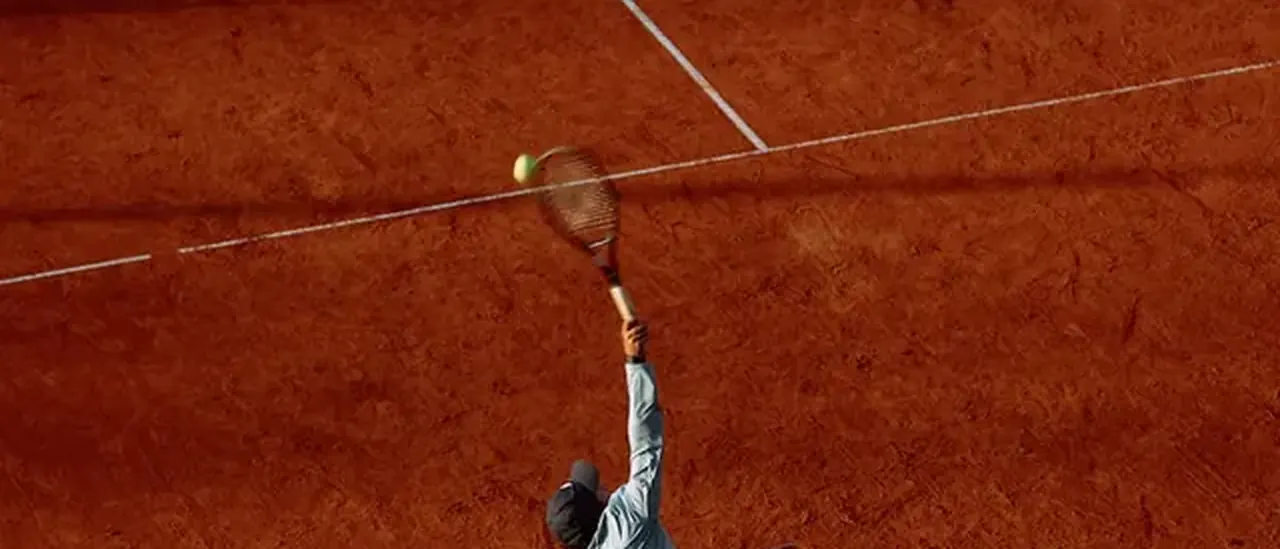
For over a century, the hallowed grass courts of the All England Lawn Tennis and Croquet Club have been the ultimate proving ground for tennis technology. The Wimbledon Championships demand a unique blend of power, precision, and finesse, and the tool that facilitates this is the tennis racket. While the pristine lawns and Wimbledon traditions like strawberries and cream capture the public imagination, a silent revolution occurs in players' hands each year. This guide delves beyond the paint job to explore the precise specifications, cutting-edge technologies, and strategic adaptations that define the rackets of Wimbledon champions. Understanding this equipment is key to appreciating the athletic artistry on display at Centre Court and No. 1 Court.
The connection between player and racket at Wimbledon is intimate and consequential. The fast, low-bouncing grass surface rewards aggressive, first-strike tennis. The racket becomes an extension of the player's intent, engineered to maximize serve velocity, enhance slice backhand skid, and provide control for delicate volleys at the net. From the Gentlemen's Singles Trophy to the Venus Rosewater Dish, every champion’s journey is powered by a meticulously chosen frame. This guide will dissect the very rackets that have carved their place in Wimbledon championship history, offering you an expert look at the gear behind the glory.
The Anatomy of a Wimbledon-Winning Racket
At the elite level, a racket is a complex system of physics and materials. While recreational models are often sold as-is, professionals use heavily customized frames that bear little resemblance to their retail counterparts. The core specifications form the foundation of performance.
Key Specifications Decoded
Head Size: Typically ranging from 95 to 100 square inches for today's top pros. A smaller head offers enhanced control and precision (favoured by pure ball-strikers), while a larger head provides a more generous sweet spot and power. On grass, control for precise serving and passing shots is paramount. Weight & Balance: Wimbledon rackets are heavy, often between 330g and 360g unstrung. This mass provides stability against powerful returns and the low, skidding balls characteristic of grass. Balance—whether head-light, even, or head-heavy—affects manoeuvrability. A head-light balance is common for serve-and-volley tactics, allowing quick reactions at the net. String Pattern: A crucial choice between open (e.g., 16x19) and dense (e.g., 18x20). An open pattern generates more spin and power, aiding in kicking serves and heavy topspin groundstrokes. A dense pattern offers superior control and string durability, ideal for flat hitters and precision volleying. The choice directly impacts a player's strategy for navigating The Draw. Stiffness (RA Rating): Measures the frame's flexibility. A stiffer frame (higher RA) offers more power and stability but can transmit more vibration. A more flexible frame provides greater feel and comfort, aiding touch shots—a valuable asset on the slick grass.Material Evolution: From Wood to Hyper-Advanced Composites
The journey of the Wimbledon racket mirrors the tournament's own evolution. The early Wimbledon fortnight was contested with heavy, small-headed wooden rackets, favouring finesse and volleying. The shift to graphite in the 1980s revolutionized power and swing speeds.
Today's frames are masterpieces of material science, utilizing sophisticated composites: Graphite: Remains the foundational material, prized for its excellent strength-to-weight ratio. Carbon Fiber & High-Modulus Graphite: These are woven into specific areas of the frame (the "hoop" or throat) to enhance stiffness and power without adding weight. Thermoplastics & Piezoelectric Fibers: Used in damping systems to absorb vibration and improve comfort, allowing players to swing freely for hours during a gruelling two-week campaign. Auxetic Materials: A frontier technology now appearing in pro stock. These materials become thicker when stretched, dynamically expanding the sweet spot upon ball impact for more consistent power.
This relentless innovation, often hidden beneath cosmetic paint jobs marketed to the public, is what allows modern champions to hit with staggering pace and precision from the baseline, a stark contrast to the serve-and-volley dominated eras of the past.
Pro Racket Customization: The "Secret Sauce"
The racket you can buy and the one used by a top seeded player are worlds apart. Customization is the norm, turning a mass-produced frame into a personal weapon.
Lead Tape Application: The most common modification. Strips of lead tape are strategically placed at the head (for power and stability), the throat (for torsional stability), or the handle (to adjust balance). This allows a player to fine-tune the swing weight and feel to their exact preference. Custom Handles & Grips: Players often use hairpin frames (the bare frame without a handle) to build up the grip with custom molds, achieving a specific shape (e.g., rectangular, squarish) that pure amateurs never see. Overgrips are changed multiple times per match to maintain perfect tackiness in the humid London air. String Type & Tension: Perhaps the most frequent adjustment. Players may string their rackets at different tensions depending on the weather, the court speed, or their opponent. Lower tension provides more power and a larger "pocket" for spin; higher tension offers greater control. The choice is a critical tactical decision.

Understanding body composition and its demands on equipment is also vital for endurance. The intense training required for Wimbledon impacts an athlete's physical state, which in turn influences their equipment needs for optimal performance. For a deeper look at this physiological aspect, consider reading about how we measure and understand healthy body composition.
Iconic Rackets in Wimbledon History
Certain rackets have become synonymous with Wimbledon glory, their designs forever linked to legendary moments.
The Wilson Pro Staff 85 (Wood Composite): The weapon of choice for Pete Sampras during his seven-title reign. Its small head (85 sq. in.) and heavy weight epitomized the serve-and-volley precision that dominated 1990s grass-court tennis. The Head PT630/PT57A Pro Stock: The hidden foundation for many modern champions, including Novak Djokovic in his early years. This pro-only model, known for its buttery feel and control, is a favourite among players who grew up with it, heavily customized to modern weights. The Babolat Pure Drive (Customized): While the retail model is a power staple, the customized version used by champions is drastically different. It exemplifies how pros take a popular platform and transform it into a unique, heavily weighted tool for maximum control and spin on grass.
These frames, often unseen in their true form by the public, are as much a part of Wimbledon heritage as the ivry on the walls or the respectful silence during points.
How Grass Court Play Influences Racket Choice
The unique demands of the All England Club lawns directly dictate equipment strategy. The surface is the fastest of the Grand Slams, with points often decided in a few shots.
Serve & Volley Emphasis: While less dominant than in past eras, the tactic remains potent. Rackets are optimized for serving accuracy and power, and for quick, stable volleys. A head-light, manoeuvrable frame is beneficial for players who attack the net. Low-Bounce Management: Grass produces a lower, skiddier bounce. Rackets with good stability and plow-through help players drive through these balls effectively, rather than being jammed. * Slice & Chip Effectiveness: The slice backhand is a devastating weapon on grass. Rackets that offer clean, predictable response and allow for precise angle creation give players a significant advantage in constructing points.
Selecting the right gear is as strategic as planning one's path through the tournament bracket. Just as a player analyzes The Draw, they and their team meticulously plan their equipment setup. This process can be as precise as using a template to ensure consistency; for a metaphorical look at precision in preparation, explore our piece on templates for cutting out.

Choosing Your Wimbledon-Inspired Racket
While you may not have access to pro stock, you can select a racket that aligns with the principles of grass-court play. Consider your own game in the context of Wimbledon's demands.
For the Aggressive All-Courter: Look for a control-oriented frame (98-100 sq. in., dense or moderately open pattern) that you can customize with a little weight. Prioritize stability and precision for serving and approaching the net.
For the Powerful Baseliner: A slightly stiffer frame with an open string pattern (16x19) can help you generate the heavy topspin needed to bring high-bouncing balls down into the court, while also providing free power on your first strike.
Practical Tip: Always demo rackets before buying. Pay attention to how the racket handles slice shots and volleys—the true test of its grass-court pedigree. Don't be afraid to experiment with string type and tension; a small 2-3 pound drop can make a racket feel more powerful and forgiving, mimicking a more attacking style.
Conclusion: The Unseen Champion
The quest for the Gentlemen's Singles Trophy or the Venus Rosewater Dish is fought with skill, nerve, and physical prowess. But underpinning it all is technology. The modern Wimbledon racket is a triumph of engineering, a fusion of advanced materials and painstaking customization that allows the world's best to push the limits of the sport on its most iconic stage. From the hallowed turf of Centre Court to the eager fans in The Queue, every aspect of Wimbledon tells a story. The racket’s story is one of silent partnership, a perfectly calibrated instrument in the hands of a sporting artist.
As you watch the drama of the Wimbledon fortnight unfold—from the first-round matches to the finals weekend—you now have a deeper appreciation for the tool that makes it all possible. The right equipment doesn't create a champion, but it provides the platform upon which championship moments are built.
Ready to explore more about the equipment that shapes The Championships? Dive deeper into our comprehensive archive of Wimbledon tennis gear reviews, history, and technology breakdowns to continue your journey behind the scenes of the world's greatest tennis tournament.
Reader Comments (0)