


Selecting the right tennis shoes for Wimbledon is not merely a matter of style; it is a critical performance decision. The hallowed grass courts of the All England Lawn Tennis and Croquet Club present a unique and demanding surface that requires specific footwear technology. The wrong shoes can compromise your movement, increase injury risk, and prevent you from playing your best tennis during the Wimbledon fortnight. This practical guide will provide you with a clear, step-by-step checklist to evaluate and choose tennis shoes engineered for optimal traction and performance on grass courts. By the end, you’ll know exactly what features to look for to move with confidence, whether you’re dreaming of playing on Centre Court or simply want to emulate the prowess of the champions who compete for the Gentlemen's Singles Trophy and the Venus Rosewater Dish.
Prerequisites: What You Need to Know Before You Shop
Before diving into the specific features, arm yourself with this foundational knowledge. Understanding the context of the surface and your own game is essential.
Surface Understanding: A grass court is a living, evolving surface. It is typically firmer and faster than clay but offers less inherent friction. Morning dew, wear patterns, and the famous Wimbledon grass composition make it notoriously slippery, especially in the first week. Traction must be balanced to prevent jarring stops that can lead to injury. Self-Assessment: Consider your playing style. Are you a serve-and-volley player who needs explosive forward momentum? A baseline counter-puncher who relies on lateral slides? Your movement patterns dictate the wear areas and support needs of your shoe. The "Grass Court Shoe" Category: Many leading brands produce shoes specifically designed or modified for grass. These are not just marketing terms; they incorporate the engineering we will detail below.
For a broader look at the equipment used by the pros, explore our dedicated hub on Wimbledon tennis gear.
The Step-by-Step Process for Selecting Grass Court Shoes
Follow this numbered process to methodically assess any tennis shoe for grass court suitability.
Step 1: Analyze the Outsole Pattern and Material
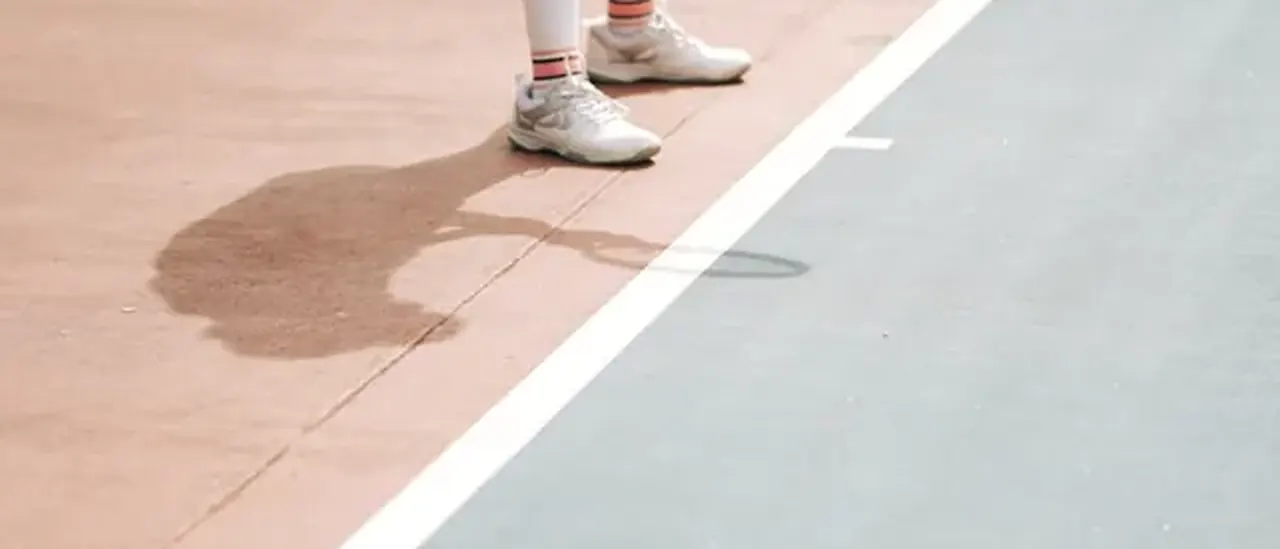
The outsole is your primary interface with the court, making this the most critical step.Look for a Herringbone or Zig-Zag Pattern: Dense, multi-directional nubs or a fine, flat herringbone pattern are the gold standards. These provide numerous small points of contact that can penetrate the grass canopy for grip without digging in excessively and causing a sudden stop. Avoid large, aggressive lugs or a deep tread pattern common on clay court shoes, as they will grab too much and are illegal at the All England Club. Prioritize a Non-Marking Rubber Compound: The rules of the Wimbledon Championships mandate non-marking soles to protect the pristine courts. Beyond rules, the right rubber offers the perfect blend of grip and give. It should feel slightly tacky and pliable, not rock-hard. Check for a Smooth Heel Area: A relatively smooth section under the heel aids in the sliding serve drag that is characteristic of grass court play, preventing snagging during the service motion.
Step 2: Evaluate the Midsole and Cushioning for Low-Impact
Grass is more forgiving than hard courts, but the low-traction nature changes impact dynamics.Seek Responsive, Low-to-the-Ground Cushioning: You need a shoe that keeps you connected to the surface for better feel and stability. Overly plush, high-stack cushioning can create a "mushy" feeling and increase the risk of rolling an ankle during a sudden change of direction. Look for technologies that offer energy return without excessive height. Understand Torsional Stability: The midsole should resist twisting. This medial support is crucial when pushing off for a wide volley or recovering to the center of the court, providing a stable platform on a potentially uneven surface.
Step 3: Assess the Upper for Lightweight Support and Drainage
The upper must secure your foot without sacrificing the agility grass court tennis demands.Choose Breathable, Synthetic Materials: Leather is often too heavy and less forgiving. Modern synthetic meshes and thermoplastic polyurethane (TPU) overlays offer a perfect blend of lightweight lockdown, durability, and breathability—a must during a long match in the summer heat. Consider Water Management: While play stops for rain, morning dew or damp patches are common. Some uppers are treated for water resistance, and all should dry relatively quickly. A soaked, heavy shoe is a liability.
Step 4: Verify the Fit and Feel for Agile Movement
A perfect technical shoe is useless if it doesn't fit your foot.Fit for Performance, Not Just Comfort: Your heel should be locked in with zero lift. There should be ample width in the toe box to allow for splaying during lateral pushes, but no excess material that allows side-to-side shifting. Remember, feet swell during play. Test the "Court Feel": When trying on, simulate a split-step or lunge. You should feel secure and connected to the ground, able to sense the surface through the sole. This feel is paramount for the reactive play the Wimbledon draw often produces.
Step 5: Research Professional Endorsements and Grass-Specific Models
See what the players who navigate Centre Court and No. 1 Court are wearing.Look for Grass Court Editions: Brands like Nike, Adidas, and Asics frequently release "Grass Court" or "Wimbledon" editions of their flagship shoes (e.g., the Vapor or CourtFF models). These are your best starting point, as they incorporate all the above features by design. Don't Blindly Follow the Pros: Professionals often use heavily customized versions. Use their choice as a indicator of a shoe's grass pedigree, but always prioritize your own fit assessment from Steps 1-4.
Pro Tips and Common Mistakes
Pro Tips: Break Them In, Then Break Them Out: Never wear brand-new shoes for a competitive match on grass. Wear them for at least 2-3 hours of practice to mold them to your foot and scuff the outsole slightly for optimal grip. Pack a Second Pair: In a long tournament or during a damp Wimbledon fortnight, having a dry, alternate pair can be a game-changer. It’s a common practice among seasoned players. Sock Synergy: Your shoe choice works in tandem with your socks. Invest in quality, moisture-wicking tennis socks with light padding to enhance comfort and reduce blister risk.
Common Mistakes to Avoid: Using Hard Court Shoes on Grass: The durable, thick rubber of hard court shoes offers poor grip on grass and can be dangerously slippery. They are designed for abrasion resistance, not surface penetration. Choosing Excessive Cushioning: The quest for comfort can backfire. Too much cushioning sacrifices the stability and court feel essential for the low-bounce, quick reactions of grass. Ignoring the Outsole Wear: Grass court outsoles wear down differently. Check the nubs for excessive smoothing. Worn grass shoes become hard court shoes—ineffective and unsafe on grass. * Prioritizing Style Over Substance: While the classic white of Wimbledon traditions is iconic, the technical features beneath are what truly matter for performance and safety.
Just as the right gear is crucial for athletes, the right technology enhances every experience. For instance, understanding advanced features in other fields, like the Cardo Beyond GTS GT wind tunnel test and review of active noise cancellation at 74 mph, shows how specialized engineering solves specific environmental challenges—similar to how grass-specific shoe engineering tackles the unique demands of the lawn.
Checklist Summary: Your Grass Court Shoe Selection Guide
Use this bullet list as your final pre-purchase checklist. A shoe suitable for the Wimbledon Championships should tick every box.
- Outsole: Features a fine herringbone, zig-zag, or small nub pattern. Made of non-marking, pliable rubber. Has a relatively smooth heel area.
- Midsole: Provides responsive, low-to-the-ground cushioning. Offers excellent torsional stability to prevent twisting.
- Upper: Constructed from lightweight, breathable synthetic materials (mesh/TPU). Offers secure lockdown without pressure points.
- Fit & Feel: Heel is locked in. Toe box allows for natural splaying. Provides exceptional "court feel" and agility during movement tests.
- Model Design: Research confirms it is a grass-specific edition or a model consistently used by professionals on grass.
- Pro Preparation: Shoes are properly broken in before competitive play. A second, dry pair is available for extended play or damp conditions.
Reader Comments (0)