

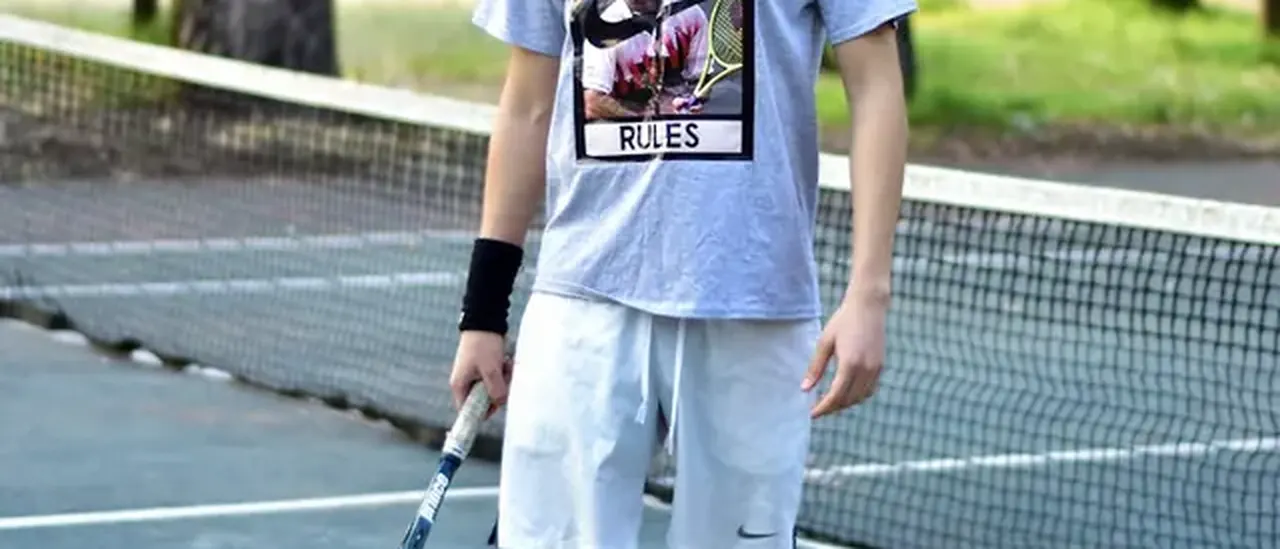
Wimbledon Tennis Socks: The Unseen Foundation of Performance & Foot Comfort
For any player stepping onto the hallowed grass courts of the All England Club, performance is measured in milliseconds and millimeters. While racquets, shoes, and strings dominate gear discussions, one critical component operates in the shadows: the tennis sock. At The Championships, Wimbledon, where matches can stretch for hours across the grueling Wimbledon fortnight, and the unique demands of grass court movement are paramount, your choice of sock is not mere clothing—it’s integral equipment. Ignoring it can undermine even the most advanced tennis shoes, leading to blisters, slippage, and compromised stability.
This guide will transform how you view this essential piece of Wimbledon tennis gear. You will learn how to select and use tennis socks to directly enhance on-court performance, prevent common foot injuries, and ensure absolute comfort from your first warm-up to a potential fifth set. We’ll move beyond basic cotton and into the technical specifications that matter, ensuring your foundation is as championship-ready as your ambition.
Prerequisites: What You Need to Begin
Before diving into the selection process, assemble the following. This isn't just about buying socks; it's about making an informed decision tailored to the demands of lawn tennis.

Your Primary Tennis Shoes: The socks must be tested with the shoes you intend to compete in. Fit is a symbiotic relationship between the two. Understanding of Your Foot Type: Are you prone to blisters on the heel or toes? Do you have high arches or suffer from excessive sweating? Self-diagnosis is key. Awareness of Playing Conditions: Consider duration (practice vs. long match), climate (hot Wimbledon fortnight days vs. cooler evenings), and surface (the specific give and slide of grass). Budget for Performance Fabrics: Quality technical socks are an investment in foot health and performance. Prioritize them alongside your other gear.
The Step-by-Step Process for Selecting Wimbledon-Worthy Tennis Socks
Follow this engineered process to build the perfect foundation for your game.
Step 1: Eliminate Cotton Entirely from Your Kit Bag
Cotton is the enemy of the performance athlete’s foot. It absorbs moisture (sweat) and retains it, creating a saturated environment that leads to maceration (softening of the skin), dramatically increased friction, and a high risk of blisters. For the sustained effort required at a tournament like Wimbledon, where you must be prepared for long battles, cotton socks are a liability. Your first and most critical step is to banish them from your tennis bag.Step 2: Select Advanced Moisture-Wicking Fabrics
Your sock’s primary job is moisture management. Seek out advanced synthetic blends or treated natural fibers designed to pull sweat away from your skin to the outer layer of the sock, where it can evaporate. Key Fabrics: Look for Merino wool (naturally temperature-regulating and odor-resistant) or technical synthetics like polyester, nylon, and acrylic blends. Brands often use proprietary names for these wicking technologies. The Feel: The interior should feel smooth and almost slick against your skin to minimize friction points.Step 3: Engineer the Fit: Snug, Not Tight
A sock must fit like a second skin—immobile on your foot. Any bunching, wrinkling, or shifting creates friction, the direct cause of blisters. Arch Support: A well-defined arch band provides compression and keeps the sock anchored, preventing it from sliding down into the shoe. Heel Pocket: A precisely contoured heel cup ensures the sock moves with your foot, not against it. Toe Seam: Look for flat, seamless toe closures or “invisible” stitching. A bulky seam over the toes is a common hotspot for blisters, especially during aggressive stops and starts on grass.Step 4: Determine Cushioning Based on Your Game and Shoes
Cushioning is not "more is better." It’s a strategic choice. Maximum Cushioning: Ideal for players with a high-impact style, those prone to foot fatigue, or when using a stiffer, more supportive shoe. It provides superior shock absorption for hard serves and constant jumping. Light/Medium Cushioning: Offers a better "court feel," preferred by players who rely on agility, quick adjustments, and a sensitive connection to the grass surface. It also prevents your foot from becoming too cramped within a already snug shoe. Zoned Cushioning: The professional’s choice. Extra padding is placed only at high-impact areas (heel, ball of foot, toe), leaving the ankle and top of the foot lean for breathability and a precise fit.Step 5: Integrate with Your Tennis Shoes
The sock and shoe are one system. This critical step is often overlooked. Try Them Together: When buying new Wimbledon tennis shoes, bring your performance socks. Your shoe size might need adjusting. Check for Pressure: With both on, perform lunges and jumps. There should be no pinching, and your toes should not feel jammed at the front. The combination should feel locked-in and unified. Consider Sock Height: Crew-length socks are the standard, offering calf protection and keeping debris out. Some prefer a lower cut for personal style or less material, but ensure the height is compatible with your shoe’s collar to prevent chafing.Pro Tips & Common Mistakes to Avoid
Pro Tips:
Rotate and Air Out: Never wear the same pair for consecutive sessions. Moisture and bacteria need time to dissipate. Pack multiple pairs for a long tournament day. Pre-Treat High-Risk Areas: If you have a known blister zone, apply a thin layer of petroleum jelly or a specialized anti-friction balm to the skin before putting on your sock. This reduces friction further. The Post-Match Ritual: Remove your performance socks immediately after play. Let your feet and the socks dry completely. This simple habit is a cornerstone of foot health. Grip and Stability: For ultimate control inside your shoe, consider how your sock interacts with your tennis grip tape and overgrip. A secure, non-slip foot foundation allows for more forceful, confident upper-body rotation and stroke execution.
Common Mistakes:
Mistake 1: Assuming All "Sports Socks" Are Equal. A generic big-box sports sock lacks the specific engineering—the arch support, targeted cushioning, and precise seam placement—required for tennis’s multi-directional violence. Mistake 2: Wearing Socks That Are Too Old. Performance socks lose their elasticity, cushioning, and wicking properties over time. If they’re stretched out, thin in high-wear areas, or no longer spring back, it’s time to retire them. Mistake 3: Ignoring the Signs. A hot spot on your foot is a pre-blister warning. Don’t ignore it. Address it immediately with tape, a friction-reducing product, or a sock change. * Mistake 4: Over-Cushioning in Agile Shoes. Pairing a maximally cushioned sock with a highly flexible, low-to-the-ground speed shoe can create a mushy, unstable feel, negating the shoe’s design benefits.Checklist Summary: Your Path to Perfect Performance Socks
Use this actionable checklist to ensure you’ve covered every base in your quest for the ultimate tennis sock.
- Eradicated cotton from your tennis wardrobe.
- Selected advanced fabrics with superior moisture-wicking properties (e.g., Merino wool, technical synthetics).
- Verified the engineered fit: secure arch support, contoured heel pocket, and flat or seamless toe closure.
- Determined your cushioning level (max, light/medium, or zoned) based on your play style and shoe type.
- Integrated the sock with your tennis shoes, testing the combined fit for lockdown and comfort during dynamic movement.
- Procured multiple pairs to allow for rotation and drying between sessions.
- Established a post-match routine of immediate sock removal and foot care.
- Retired old, worn-out socks that have lost their structural integrity and performance properties.
Reader Comments (0)