
Best Tennis Sock Materials for Wimbledon: Blister Prevention & Comfort
For any competitor or dedicated fan navigating The Championships, Wimbledon, comfort is a non-negotiable foundation for performance. While much attention is rightly paid to racquets, shoes, and attire, the humble tennis sock is a critical, yet often overlooked, piece of gear. On the hallowed grass courts of the All England Club, where matches can stretch for hours across the Wimbledon fortnight, the wrong sock material can transform from a minor nuisance into a performance-ending catastrophe. Blisters, hotspots, and moisture buildup are the silent adversaries that can undermine footwork, focus, and ultimately, your experience—whether you're playing on a local lawn court dreaming of Centre Court or spending a day in The Queue.
This guide cuts through the noise to provide a practical, expert-led troubleshooting manual focused on sock materials. We’ll diagnose common foot problems, prescribe material-specific solutions, and offer actionable prevention strategies to ensure your feet are as prepared for the demands of the game as the rest of you.
Problem: Friction Blisters on Heels and Toes
Symptoms: Hot, tender spots developing into raised, fluid-filled pockets on the skin, particularly at the back of the heel, the ball of the foot, or on toes. Causes: This is primarily a friction issue. Repetitive sliding or pushing-off movements within the shoe, exacerbated by moisture and ill-fitting socks, create shear forces that separate layers of skin. Cheap cotton socks are a frequent culprit, as they retain sweat, become abrasive when wet, and lose their shape. Solution:- Immediate Care: If a blister forms mid-activity, apply a specialized blister plaster or moleskin with a central donut hole to relieve pressure. Do not pop it unless it is large, painful, and likely to rupture on its own; if you must, use a sterilized needle, drain the fluid, leave the skin intact as a natural barrier, and cover with an antibiotic ointment and sterile dressing.
- Material Switch: Immediately retire cotton socks. Invest in socks engineered with synthetic blends or advanced natural fibers.
- Strategic Layering: For high-friction areas, consider a thin, seamless inner sock made of a slick material like nylon or polyester, paired with your primary cushioned tennis sock. This allows friction to occur between the two sock layers, not between the sock and your skin.
- Fit Check: Ensure your tennis shoes are properly sized—there should be about a thumbnail’s width of space from your longest toe to the shoe’s end—to prevent your foot from sliding forward and jamming your toes.
Problem: Maceration and Fungal Concerns (Athlete’s Foot)
Symptoms: White, wrinkled, soggy skin (maceration), often accompanied by itching, burning, cracking, or scaling, particularly between the toes. Causes: Prolonged exposure to moisture from sweat. Non-breathable sock materials trap this moisture against the skin, creating a perfect breeding ground for fungi and bacteria. This environment also softens the skin, making it more susceptible to blister-causing friction. Solution:- Dry Thoroughly: After play or if feet become soaked, dry them meticulously, especially between the toes.
- Material Switch: Eliminate non-wicking materials. Seek out socks with high percentages of moisture-wicking fabrics like polyester, olefin, or specially treated merino wool. These fibers actively pull (wick) sweat away from the skin to the sock’s outer layer, where it can evaporate.
- Antimicrobial Treatment: Use socks that feature built-in antimicrobial treatments, such as silver ions (e.g., X-Static) or copper-infused fibers. These technologies inhibit the growth of odor- and infection-causing bacteria and fungi.
- Foot Powder: Apply an antifungal or moisture-absorbing foot powder before donning your socks for an added layer of protection.
Problem: Compression and Circulatory Discomfort
Symptoms: Numbness, tingling ("pins and needles"), or a feeling of excessive tightness and constriction in the foot or lower calf during or after play. Causes: Socks with non-elastic, poorly designed cuffs or bands that are too tight can act as a tourniquet, restricting blood flow. This is often a problem with socks that have lost their elasticity from overwashing or are simply poorly sized. Solution:- Immediate Relief: Remove the socks and shoes. Elevate your feet and gently massage the area to restore circulation.
- Material & Design Switch: Choose socks with graduated compression or "support" features. These are engineered with strategic knitting that applies the greatest pressure at the ankle, gradually decreasing up the calf. This actually aids circulation and reduces muscle vibration fatigue, unlike a simple tight band. Look for socks with wide, elasticated tops that stay up without digging in.
- Size Verification: Socks come in sizes for a reason. Ensure you are wearing the correct size based on your shoe size. A sock that is too small will be overly tight; one that is too large will bunch and create pressure points.
Problem: Cushioning Breakdown and Impact Shock
Symptoms: Aching arches, bruised soles, or general foot fatigue that sets in earlier than expected during a match or long day on your feet. Causes: Inadequate shock absorption. The grass surface, while softer than hard courts, still transmits significant impact force with every step, sprint, and jump. Thin or low-quality socks provide minimal cushioning, allowing this shock to travel through the foot and up the kinetic chain. Solution:- Strategic Cushioning: Invest in socks with targeted cushioning zones. High-quality tennis socks feature extra padding in the heel, ball of the foot, and sometimes the toe. This padding is often made from advanced foam materials or high-density terry loops that maintain their loft and cushioning properties over time.
- Material Choice: Cushioning is best achieved with synthetic terry loops (often polyester) or plush merino wool blends. Avoid flat-knit socks for athletic play.
- Insole Synergy: Remember that socks and insoles work as a system. If you require maximum shock absorption, consider pairing a well-cushioned sock with a premium athletic insole in your shoe.
Problem: Odor Retention and Material Degradation
Symptoms: Persistent, difficult-to-remove odor from socks, even after washing. Fabric may also feel stiff, matted, or lose its shape quickly. Causes: Bacteria thrive in the warm, moist environment of a worn sock. Certain materials, like cotton, trap these bacteria and their odor-causing byproducts within the fibers. Harsh detergents and high-heat drying can break down technical fibers, destroying their wicking and cushioning properties. Solution:- Wash Protocol: Turn socks inside out before washing to allow soil and bacteria trapped in the cushioning to be released. Wash in cold or warm water with a mild, sport-specific detergent. Avoid fabric softeners and bleach, as they coat and degrade technical fibers.
- Drying Protocol: Air dry whenever possible. If using a dryer, select the lowest heat setting. High heat melts and breaks down the microscopic channels in synthetic fibers that are responsible for wicking.
- Material Switch: As with other issues, technical synthetics and merino wool are superior. Merino wool, in particular, has natural lanolin that resists odor. Many synthetic blends now include permanent antimicrobial treatments that survive dozens of washes.
- Rotation: Do not wear the same pair of socks for multiple sessions without washing. Have several pairs in your rotation to allow materials to fully recover between uses.
Prevention Tips for the Discerning Player
Preventing foot problems is far more effective than treating them. Integrate these tips into your tennis gear regimen:
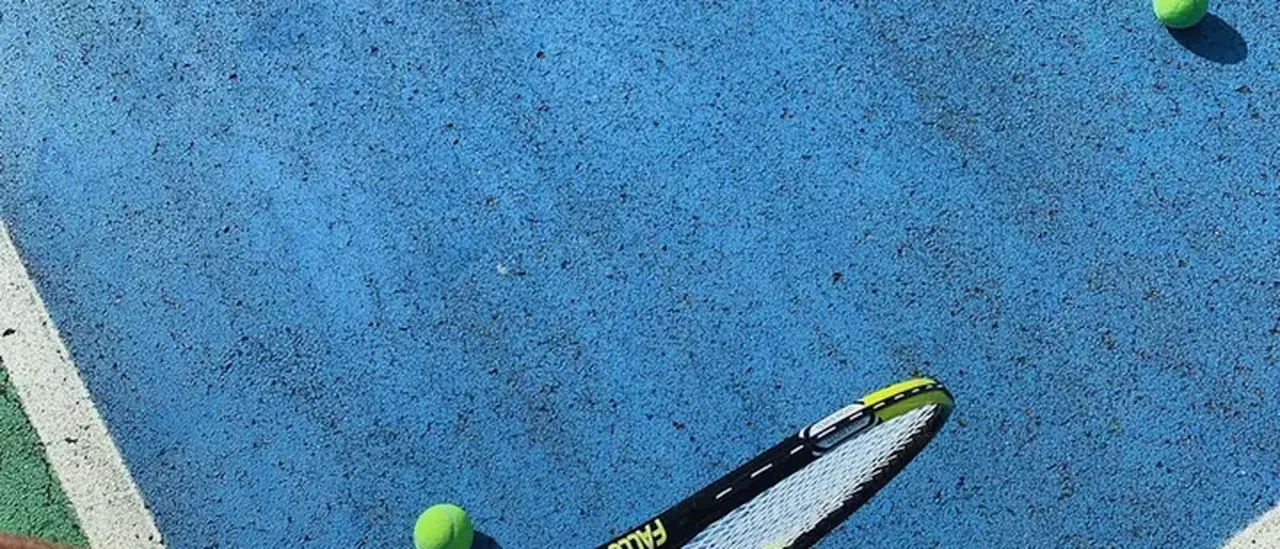
The Two-Pair Rule: Always bring multiple pairs of socks to a match or a long day at the All England Club. Changing into a fresh, dry pair midway through a long day or between matches is a game-changer for comfort and hygiene. Pre-Tape for Known Hotspots: If you have a history of blisters in a specific area, pre-emptively apply a thin layer of tennis grip tape or a product like kinesiology tape to the spot before putting on your sock. This provides a protective, low-friction layer. Shoe-Sock Synergy: Your socks and shoes must be considered as one unit. Break in new shoes with the sock model you intend to compete in. The interior seams and volume of your shoe interact directly with your sock's material and thickness. Hydration from the Inside: Proper systemic hydration improves skin elasticity and resilience, making it less prone to blistering. Drink plenty of water throughout the Wimbledon fortnight. Foot Conditioning: Gradually increase your on-court time to toughen the skin on your feet. Regularly moisturize your feet (avoiding between the toes) to keep skin supple and prevent cracking.
When to Seek Professional Help
While this guide addresses common issues, some symptoms warrant professional medical attention:
Infected Blister: Signs include increasing redness, swelling, warmth, pus, or red streaks leading from the blister, or if you develop a fever. Persistent Fungal/Bacterial Infection: Over-the-counter treatments fail to resolve itching, scaling, or odor after two weeks. Severe or Recurring Pain: Numbness, pain, or swelling that does not subside with rest, ice, and elevation, or that recurs every time you play. * Underlying Medical Conditions: If you have diabetes, peripheral neuropathy, or circulatory disorders, any foot lesion requires immediate and careful professional assessment.
Your journey through The Draw, whether as a player or an enthusiast immersed in Wimbledon traditions, should be defined by the thrill of competition and history, not by preventable discomfort. By treating your choice of sock material with the same seriousness as your selection of a racquet or your analysis of seeding, you invest in the foundation of all movement on court. Equip your feet wisely, and step onto the lawn—whether it’s No. 1 Court or your local club—with confidence, ready to create your own defining moments. For more insights into optimizing your performance gear, explore our dedicated hub on Wimbledon Tennis Gear.
Reader Comments (1)