

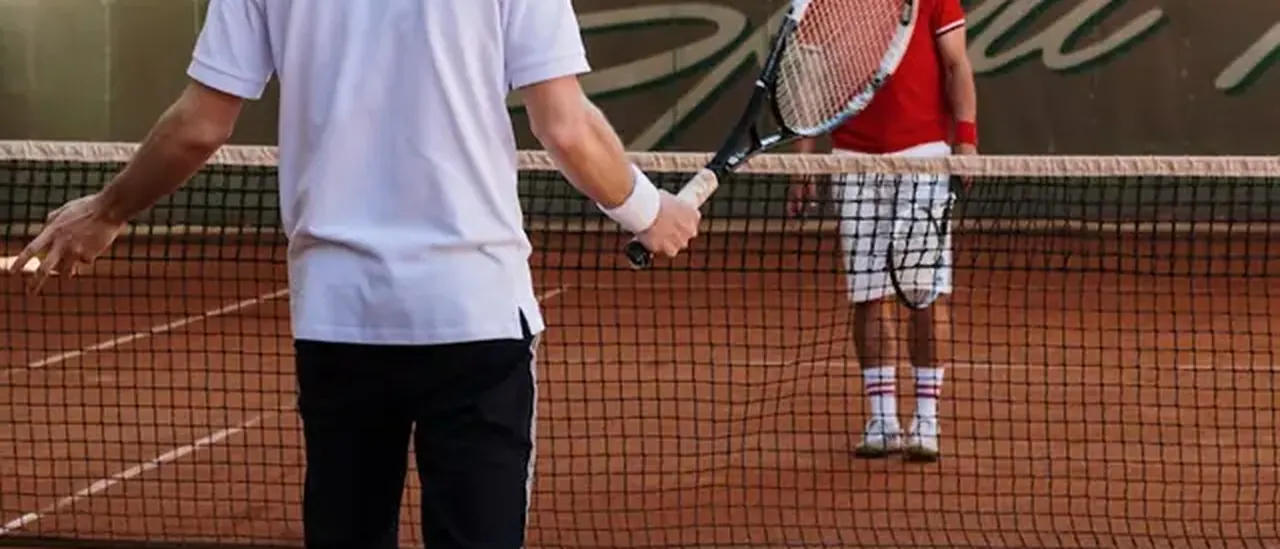
Watching a Wimbledon match end in a retirement is always a bit of a letdown. The crowd falls silent, the players share an awkward net-handshake, and you’re left wondering what happens next. But what happens when two players in the same match can’t continue? A double retirement is one of the rarest and most confusing events in tennis. It throws a wrench into the meticulously planned Wimbledon draw, leaving fans, commentators, and even other players scratching their heads.
If you’ve ever seen a match abandoned and wondered how the tournament moves forward, you’re not alone. This guide will walk you through the specific rules, the immediate fallout, and the long-term ripple effects a double retirement has on the path to the Gentlemen's Singles Trophy and the Venus Rosewater Dish. Let’s untangle this unusual scenario.
Problem: Two Players Retire in the Same Match
Symptoms: The match is stopped. Both players indicate to the chair umpire that they are unable to continue due to injury or illness. The scoreboard shows an incomplete match with no official winner. Confusion reigns on Centre Court or No. 1 Court, and the crowd is sent home without a result.
Causes: This is an extremely rare occurrence, usually stemming from: Coinciding Injuries: Both players sustain significant, match-ending injuries during play—think a nasty fall on the grass court for one, and a muscle tear for the other. External Factors: Extreme, unexpected weather conditions (though rare under the roof) or another external event that affects both competitors equally. Illness: A shared illness, such as food poisoning, though this is exceptionally uncommon at the professional level.
Solution: The All England Lawn Tennis and Croquet Club follows strict ITF Grand Slam rules. Here’s the step-by-step fix the tournament implements:
- Official Recording: The match is recorded as a "Double Retirement." No winner is declared.
- Draw Impact: This is the critical part. The next round’s spot in the draw is left empty. The player who was scheduled to face the winner of this match receives a walkover into the following round.
- Prize Money & Points: Both retiring players typically split the prize money and ranking points for the round they reached. For example, if they retired in the second round, they would both receive second-round points and prize money, and neither advances.
- Tournament Progression: The draw simply moves forward with one less player. There is no "lucky loser" replacement from qualifying at this stage in a Grand Slam. The bracket has a literal bye at that position.
Problem: Your Favorite Player’s Path to the Final Just Got Easier (or Harder)
Symptoms: You’re tracking your favorite star’s potential route through The Draw. Suddenly, a double retirement occurs in a section near them. Their projected third-round opponent vanishes, and the path to the quarterfinals looks unexpectedly clear—or a dangerous floater from another section could now be reshuffled their way.
Causes: The vacuum created by the empty spot in the draw. The tournament does not re-seed or re-draw. The bracket is fixed after the initial draw ceremony.
Solution: How to understand the new landscape:
- Identify the Beneficiary: Find the player who gets the walkover. They gain a huge advantage: passage to the next round without expending any physical or mental energy.
- Analyze the Ripple Effect: That player will now be more rested than their future opponents. This can significantly alter the dynamics of that quarter or half of the draw.
- Adjust Expectations: If your favorite player is the one receiving the walkover, temper your excitement. While rest is beneficial, a lack of competitive match play before facing a top seed can sometimes be a disadvantage. If their path now looks tougher because a strong opponent elsewhere got a similar break, recalibrate your predictions.
Problem: Scheduling Chaos and the "Wimbledon Fortnight" Timeline
Symptoms: An empty slot on the order of play. A court session finishes unexpectedly early. Broadcasters have to fill airtime. The traditional rhythm of the fortnight is disrupted.
Causes: Matches are scheduled to fit within precise daily sessions on the show courts and the outer courts. A double retirement, especially on a major court, leaves a gaping hole in the day’s schedule.
Solution: The AELTC tournament referees are masters of logistics. Here’s how they manage:
- Immediate Fill-In: They will typically move a following match on an outside court to the vacant show court slot to satisfy ticket-holders and broadcast commitments.
- Utilizing the Buffer: The schedule always has some buffer for weather delays, but a double retirement creates "found time." This can be a gift for players in other matches, as it may ease court congestion.
- Preserving Tradition: The overall timeline for the tournament (e.g., Middle Sunday, finals weekend) remains untouched. The draw simply progresses with fewer matches in that particular line.
Problem: Confusion Over Betting and Fantasy Tennis Outcomes
Symptoms: Bets are placed on match winners, set scores, and total games. Fantasy tennis teams are set based on players advancing. A double retirement invalidates most of these wagers and creates scoring nightmares for fantasy leagues.
Causes: Sportsbooks and fantasy platforms have specific rules for "uncompleted matches." A double retirement is the ultimate uncompleted match.
Solution: Navigating the fallout:
- For Bettors: Almost universally, bets on the match outcome (money line, set betting, etc.) are voided and stakes are returned. Bets on events that did happen (e.g., "Who will win the first set?") usually stand.
- For Fantasy Players: Check your platform's rules. Typically, a player who retires earns zero points for that round. In a double retirement, both players likely score zero, which can devastate a team if both were selected.
- The Best Fix: Always check the "Rules" or "House Rules" section of your betting or fantasy site before the tournament starts. Knowing their policy on retirements will prevent post-match frustration.
Problem: Disappointment for Fans and the Atmosphere
Symptoms: A deflated atmosphere in the stadium. Fans who queued in The Queue for hours feel short-changed. The buzz and narrative of that particular match-up are lost for the tournament.
Causes: Fans buy tickets or wait in line for a contest, not a cancellation. The storylines and rivalries are a huge part of the Wimbledon traditions.
Solution: While you can't fix the result, you can reframe the experience:
- For Ticket-Holders: You still witnessed a unique, if unfortunate, piece of tennis history. The tournament will work to provide other compelling tennis on that court.
- For the TV Audience: Use the time to delve into other stories. Check out our Wimbledon player profiles on all-time greats to appreciate the legends who have navigated all manner of tournament drama.
- Remember the Human Element: It’s a reminder of the immense physical demands of the sport. Both players are undoubtedly devastated to leave the championship this way.
Problem: Long-Term Impact on Tournament Seeding and Rankings
Symptoms: A player who gets a walkover deep into the tournament might face criticism for an "easy path." Ranking points are distributed in an atypical way, affecting the race for the year-end No. 1.
Causes: The asymmetric distribution of effort and points due to the walkover.
Solution: Putting it in perspective:
- Seeding is About Past Performance: A player’s seeding is earned from a full year of results. A single walkover doesn’t diminish their overall achievement in reaching that stage.
- Everyone Gets Lucky Breaks: Over the course of a career, breaks like this often balance out. A player might benefit from one and then face an unfairly tough draw the next year.
- The Champion Still Earns It: To win Wimbledon, you must still win seven matches. A walkover might mean one less match played, but the champion must ultimately beat the best in front of them, especially in the final rounds. The integrity of the Wimbledon Championships remains intact.
Prevention Tips: Can a Double Retirement Be Avoided?
While you can't prevent injuries, understanding the context helps: The Grass Court Factor: The unique grass surface at the start of the fortnight can be slippery and unpredictable, leading to falls. As the tournament progresses and the baseline wears, the court changes. Player Load Management: The physical toll of the season leading into Wimbledon is immense. Sometimes, a double retirement is the culmination of two players pushing their bodies to the absolute limit. The Rules Themselves: The strict "no replacement" rule is a preventative measure in itself. It discourages any notion of strategic withdrawal, as there is no benefit to the retiring player.
When to Seek "Professional" Help
In this context, "professional help" means diving deeper into the official sources and expert analysis. When Rules Seem Unfair: Consult the official Grand Slam rulebook, published by the ITF. The AELTC applies these rules consistently. When Analyzing the Draw: After any major draw disruption, visit our dedicated hub for Wimbledon draws and results for the most accurate, updated bracket and expert commentary on the new dynamics. When Historical Context is Needed: Double retirements are so rare that when they happen, they become instant trivia. Researching past occurrences (like the famous 2011 case involving Steve Darcis and Florian Mayer) can provide fascinating insight. When Tiebreak Rules Confuse You: Retirements often happen in tense, long matches. To understand another modern rule change designed to manage match length, read about the Wimbledon final set tiebreak rule change.
While we all hope for two fit competitors battling it out for a place in the Royal Box and a taste of strawberries and cream in victory, tennis is a brutally physical sport. A double retirement, though a strange and anticlimactic event, is governed by clear rules that keep The Championships moving forward, ensuring that the show goes on and a worthy champion ultimately emerges.
Reader Comments (0)