
For the tennis purist, the true narrative of The Championships, Wimbledon is written not just in the champion’s name etched on silver, but in the intricate, suspense-filled journey of The Draw. This single document, a map of potential glory and heartbreak, dictates the fortnight’s destiny. Understanding the structure of Wimbledon draws & match results is to understand the tournament’s soul—the logic behind the clashes, the significance of each victory, and the stories that culminate on Centre Court. This pillar guide provides a comprehensive breakdown of the tournament's competitive architecture, from the unveiling of the seeded players to the final point of the championship match.
The Architecture of The Championships: Understanding the Tournament Draw
The Wimbledon draw is the master blueprint for the entire Wimbledon fortnight. Conducted by the All England Lawn Tennis and Croquet Club several days before play begins, it is a meticulously orchestrated event that sets the stage for the world’s premier grass court tournament.
At its core, the draw determines the path every player must take to win the title. The Gentlemen's Singles Trophy and the Venus Rosewater Dish are awarded only after navigating seven best-of-five and best-of-three set matches, respectively. The draw is split into four quarters, with the top two seeds placed at opposite ends, ensuring they can only meet in the final. This structure creates a narrative of converging paths, where early-round matches can produce stunning upsets and later rounds often deliver legendary showdowns.
The integrity of this process is paramount, blending tradition with modern competition rules to ensure fairness and produce a worthy champion.
The Seeding System: Ranking & Strategy on Grass
Seeding is the tournament’s method of recognizing current form and, uniquely at Wimbledon, proven prowess on grass. While historically based on a player's world ranking, the All England Club has its own formula that can adjust placements to more accurately reflect a player’s ability on the grass surface.
Purpose: The primary goal of seeding is to prevent the top-ranked players from meeting in the early rounds. The top 32 players are seeded, with numbers 1 and 2 placed at the top and bottom of the draw. The Grass Court Adjustment: The AELTC’s seeding committee considers a player’s grass court performance over the previous two years. This means a player with strong results on grass, like a Queen’s Club championship or previous Wimbledon success, can be seeded higher than their world ranking might suggest. Impact on the Draw: A favorable seed offers a theoretically easier early path, but the unpredictable nature of lawn tennis means no match is a given. The draw’s drama often lies in which dangerous unseeded “floaters” land in a top player’s section.
Decoding the Draw Sheet: From First Round to Final
Reading a Wimbledon draw is a skill that enhances the viewing experience. It’s a bracket that visualizes the entire tournament.
- The Quarters: The 128-player singles draw is divided into four sections: the top half (containing seeds 1 and 4) and the bottom half (containing seeds 2 and 3). Each half is further split into two quarters.
- Match Numbers: Each first-round pairing is assigned a match number, which corresponds to the order of play and specific court assignments.
- Projected Paths: Fans and pundits immediately analyze “projected” matchups—the potential third-round, quarter-final, and semi-final clashes based on seeding. However, these are always subject to the thrilling uncertainty of sport.
- The Results Cascade: As matches conclude, the bracket is filled in. An upset creates a ripple effect, redrawing the potential path to the final for every other player in that section. Following this cascade of match results is where the story of each Championship truly unfolds.
Navigating the Tournament Fortnight: Courts, Schedules & Results
The Wimbledon fortnight follows a strict, traditional schedule, with specific events slated for each day. This rhythm is part of the tournament's unique charm.
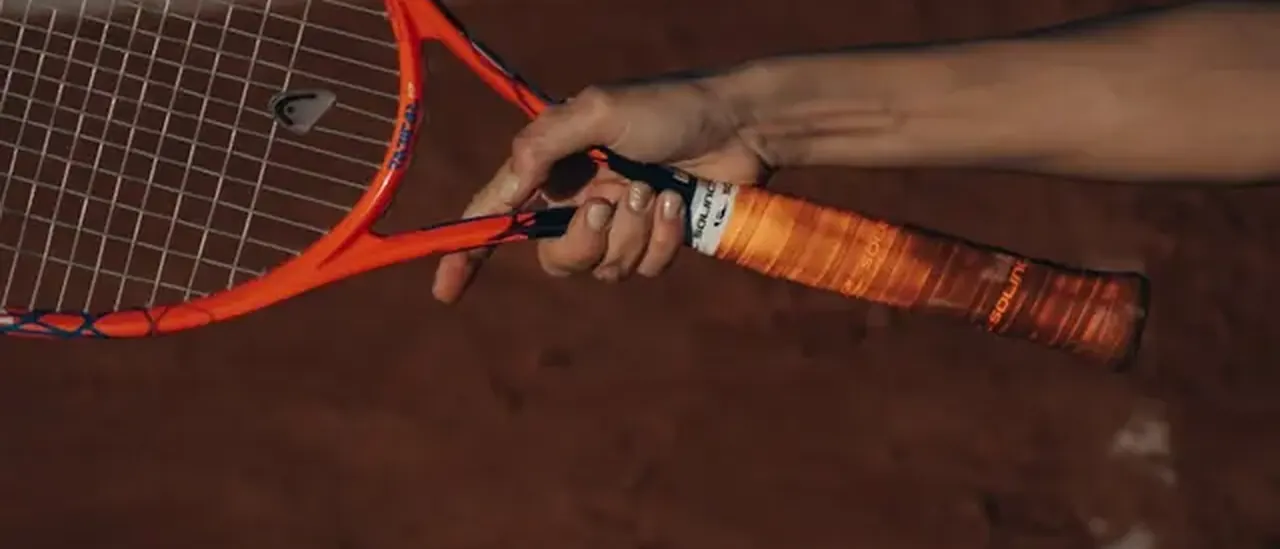
Week One: The opening Monday sees all 128 singles players in action across the grounds. The early rounds are a festival of tennis played simultaneously on 19 courts. By the end of the first week, the field is whittled down to the “second week” players—the final 16. Middle Sunday: Traditionally a day of rest, the All England Club upheld the Middle Sunday tradition for decades, allowing the hallowed grass courts precious recovery time. While this custom has been relaxed in recent years with the introduction of a scheduled fourth-round play on this day, the term Middle Sunday remains iconic. Week Two – The Business End: The intensity crescendos. Manic Monday features all men’s and women’s fourth-round matches. The quarter-finals follow on Tuesday and Wednesday, the semi-finals on Thursday and Friday, culminating in the Ladies’ and Gentlemen’s Singles finals on the second Saturday and Sunday.
The Sacred Stages: Centre Court & No. 1 Court
The assignment of a match to a specific court is a signal of its perceived importance and drama.
Centre Court: The cathedral of tennis. Every final is played here, as are the most high-profile matches of each day. Playing on Centre Court, with its view of the Royal Box, is a dream for every competitor. Its unique atmosphere, from the hushed silence before serve to the roaring ovations, is a defining element of the Wimbledon experience. No. 1 Court: The formidable sibling to Centre Court. Number One Court hosts major matches, often featuring former champions or exciting rising stars. Its more intimate but equally passionate atmosphere has been the stage for countless classic battles.
A Guide to Finding & Analyzing Match Results
In the digital age, accessing Wimbledon draws & match results is instantaneous, but knowing where to look for depth is key.
Official AELTC Platforms: The Wimbledon website and app provide live scores, detailed point-by-point statistics, and updated draws in real-time. This is the authoritative source for official results. Reading a Match Result: Beyond the scoreline (e.g., 6-4, 7-6(3), 6-2), official results include crucial data: aces, double faults, winners, unforced errors, break points won/converted, and total points won. Analyzing these stats reveals the true story of a match—was it a serve-dominated clinic, a baseline war of attrition, or a match decided by key points under pressure? The Narrative in the Numbers: A straight-sets victory might look dominant, but a closer look at break points saved or tie-break wins can show how close the match truly was. Conversely, a five-set epic might be identified by remarkably close total points, indicating a match of the finest margins.
Understanding these technical aspects is complemented by knowing the players. Dive into the careers of the athletes who create these results in our extensive Wimbledon players profiles.
Wimbledon Traditions & The Spectator Experience
The tournament’s magic is woven from its unwavering Wimbledon traditions. These customs are not mere backdrop; they are integral to the pressure and prestige that influence every match result.
Strict Dress Code: The all-white rule for competitors is the most visible tradition, creating a timeless aesthetic and emphasizing purity of skill. Strawberries and Cream: Consuming over two million servings of strawberries and cream during the fortnight is a ritual for fans, symbolizing the British summer. The Queue: Perhaps the greatest democratic tradition in sport. The Wimbledon Queue allows thousands of fans without tickets to wait, often overnight, for daily ground passes or resale tickets for show courts. It’s a community event that embodies the tournament’s spirit of fair access. The Royal Box: Presence in the Royal Box on Centre Court is a mark of honor, adding a layer of occasion and, for some players, extra motivation or nerves. No Play on Middle Sunday: While now occasionally used, the tradition of the rest day reinforced Wimbledon’s unique, unhurried place in the sporting calendar.
These elements combine to create an atmosphere unlike any other, where history is palpable, and every point feels weighted with significance.
Practical Tips for Following the Draw & Results
To become an adept follower of The Championships, consider these strategies:
- Print the Draw: Once released, print a blank draw sheet. Filling in the match results by hand creates a personal, tangible record of the tournament’s progression and helps internalize the narrative.
- Identify Early Danger Matches: Look beyond the top seeds. A former champion with a low seeding, or a big server with a game suited to grass, can be a “banana skin” in the first round. These are often the matches that produce the first major shocks.
- Track the “Quarter of Death”: Invariably, one section of the draw ends up stacked with top talent or dangerous floaters. Identifying this quarter early allows you to follow its brutal, high-stakes matches.
- Use Statistics Contextually: Don’t just look at winner counts. A player who wins 7-6, 7-6 may have fewer winners but superior mental fortitude in tie-breaks—a critical skill on grass where service holds are dominant.
- Follow the Equipment: The fast, low-bouncing grass court demands specific adaptations. Noting which players switch to a flatter stroke or a more serve-and-volley style can predict success. The right gear is essential, a topic we explore in our guide to Wimbledon tennis gear.
Conclusion: The Draw as a Living Story
The Wimbledon draw is not a static document. It is a living, breathing story that unfolds over two weeks on the lawns of the All England Lawn Tennis and Croquet Club. Each match result is a sentence, each round a chapter, building toward the climax on Centre Court. To understand the draws and results is to move beyond simply watching tennis; it is to engage in the strategic and historical narrative of The Championships. It allows you to anticipate the clashes, appreciate the scale of an upset, and fully comprehend the monumental achievement of lifting the Challenge Cup or the Venus Rosewater Dish.
From the logic of the seeding to the drama of The Queue, every facet of Wimbledon is designed to crown a worthy champion in a manner befitting its storied heritage. As you follow the tournament, let this guide be your companion in deciphering the draws, analyzing the results, and immersing yourself in the greatest tennis show on earth.
Ready to master the language of Wimbledon? Continue your journey into the details that define this iconic event by exploring our comprehensive Wimbledon facts & glossary.
Reader Comments (10)