
How Wimbledon Seeding Works: The Complete Guide
For new fans, the language of tennis—and especially of The Championships, Wimbledon—can feel like its own sport. From the famous grounds to the unique traditions, a special vocabulary has grown around this historic event. This guide breaks down the key terms you'll hear during the Wimbledon fortnight, with a particular focus on the all-important seeding process that shapes the tournament before a single ball is struck.
The All England Lawn Tennis and Croquet Club
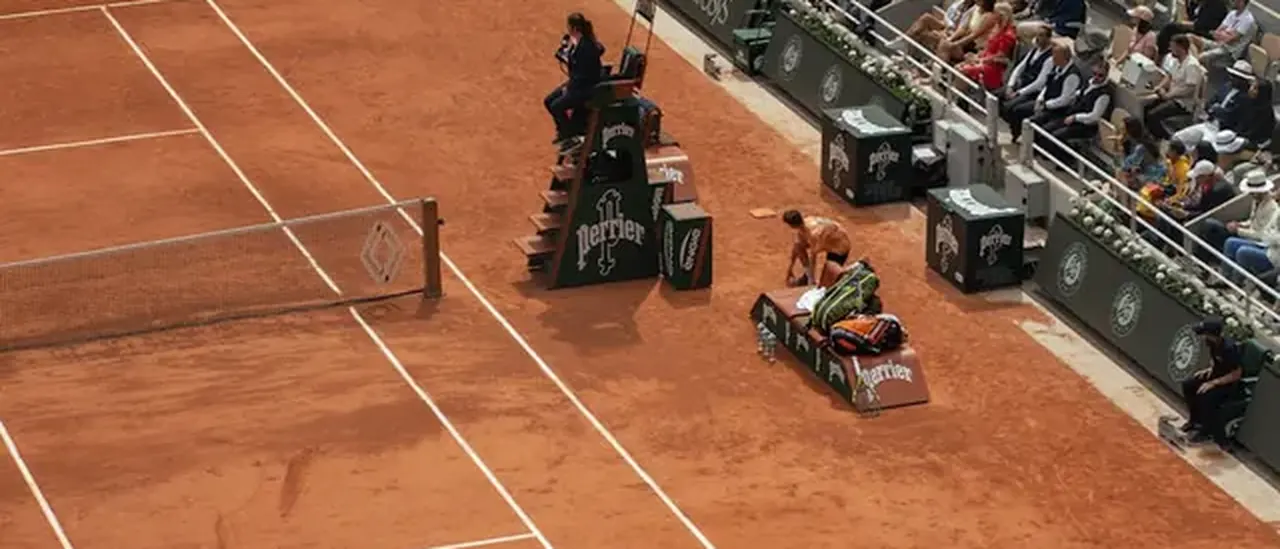
Often called the All England Club or AELTC, this is the private club in London that has been the home of the Wimbledon Championships since 1877. It's not just a venue; it's the guardian of the tournament's rules, Wimbledon traditions, and its famous grass courts. The club's committee makes the critical decisions, including approving the seedings for the tournament each year.The Draw
In tennis, The Draw refers to the tournament bracket that determines who plays whom and in which order. The Wimbledon draw is a formal ceremony where names are placed into a structured bracket, ensuring the top seeded players are strategically placed so they cannot meet until the later rounds. It’s the moment when the path to the trophy becomes clear.Seeding
Seeding is the system used to rank the top players in a tournament draw based on their recent performances and world ranking. A seed is essentially a predicted ranking within the event itself. The purpose is to prevent the top contenders from facing each other too early, ensuring the best matches are saved for the quarter-finals, semi-finals, and final.Grass Court
Wimbledon is the only Grand Slam tournament played on a grass surface, a fast, low-bouncing lawn tennis court that defines the classic style of play here. The unique conditions of the grass heavily influence player preparation, tactics, and even the seeding formula, which has historically made adjustments for a player's prowess on this specific surface.Centre Court
This is the most famous tennis court in the world. With its iconic retractable roof and tradition-rich atmosphere, Centre Court is where finals and the most high-profile matches are played. Every player dreams of competing here, and for the top seeded players, it's the expected stage for their later-round matches.No. 1 Court
Adjacent to Centre Court, Number One Court is the second show court at the All England Club. It also features a retractable roof and hosts major matches throughout the tournament. Many thrilling early-round upsets of seeded players have taken place on this court, making it a fan favorite for dramatic tennis.Gentlemen's Singles Trophy
The Challenge Cup is the official name for the silver-gilt trophy presented to the men's singles champion. While the winner gets a three-quarter size replica to keep, the original Wimbledon trophy remains on display at the All England Club. It is the ultimate goal for every seeded contender in the draw.Venus Rosewater Dish
Awarded to the ladies' singles champion, this stunning silver salver is known as the Rosewater Dish. It is engraved with mythological figures and, like the men's trophy, remains the property of the All England Club. Lifting the ladies' singles trophy is the culmination of the fortnight for the top women's seeds.Middle Sunday
Traditionally a day of rest, Middle Sunday was historically free of play, allowing the grass courts to recover. Since 2022, play has been scheduled on all fourteen days, but the term remains a key part of Wimbledon's scheduling heritage and folklore.The Queue
The Wimbledon Queue is a beloved and democratic institution. It's the famously orderly line where thousands of fans camp overnight or wait for hours to purchase a limited number of show court and ground passes released daily. It's a unique Wimbledon tradition in itself.Strawberries and Cream
Synonymous with a day at The Championships, this simple combination of fresh strawberries and whipped cream is the tournament's signature snack. Consuming over two million servings during the fortnight is a delicious tradition enjoyed by players, royalty in the Royal Box, and fans in The Queue alike.Royal Box
Located on Centre Court, the Royal Box is where members of the British royal family, dignitaries, and other invited guests watch the matches. Its presence adds to the unique prestige and formal atmosphere of the tournament, often visible in broadcast shots during key moments involving the top seeds.Wimbledon Fortnight
This term simply refers to the two-week duration of The Championships. The fortnight is packed with matches from the first round through to the finals, a period where hopes are built and shattered, and seeded players navigate the draw in pursuit of glory.Seed Protection
A core principle of seeding is to protect the highest-ranked players in the early rounds. The top two seeds are placed at opposite ends of the draw, so they can only meet in the final. Similarly, the top four seeds are placed in separate quarters, ensuring the tournament builds to a climax.Seeding Committee
While most tournaments use the official world rankings directly, Wimbledon has a dedicated Seeding Committee. This group, appointed by the All England Club, has the discretion to adjust the men's singles seedings based on a player's previous grass-court performance, adding a unique layer of strategy to the Wimbledon draw.Unseeded Player
Any competitor in the draw who is not among the 32 designated seeds (for singles) is an unseeded player. These players can be drawn to face anyone, including the top seeds, in the very first round, which often sets the stage for potential "giant-killing" upsets that define Wimbledon history.Wild Card
A wild card is an invitation awarded by the tournament organizers (the AELTC) to a player who did not qualify through ranking. These spots often go to promising local players or former champions. A wild card entry is almost always unseeded, making their path through the draw exceptionally tough.Lucky Loser
In qualifying tournaments, the lucky loser is a player who lost in the final qualifying round but gains a place in the main draw because another player withdraws due to injury or illness after the draw is made. Like a wild card, a lucky loser is typically unseeded.Bye
A bye is a free pass to the second round awarded to the top seeds in some tournaments. At Wimbledon, there are no byes in the singles main draws. Every player, regardless of their seed, must win a first-round match to advance, upholding the tournament's pure knockout format.Seed Slump
An informal term for when a highly seeded player loses unexpectedly early in the tournament, often in the first or second round. A seed slump causes major disruptions to the expected draw, opening up the bracket for lower-seeded or unseeded players to make a deep run.Understanding the seeding process and the unique terms of Wimbledon demystifies the strategy behind the tournament and deepens your appreciation for the drama. It’s a system designed to balance fairness with spectacle, protecting the sport's stars while always leaving room for the unexpected stories that make The Championships so timeless. Now that you're equipped with this glossary, you can follow every twist of The Draw with confidence.
Reader Comments (0)