

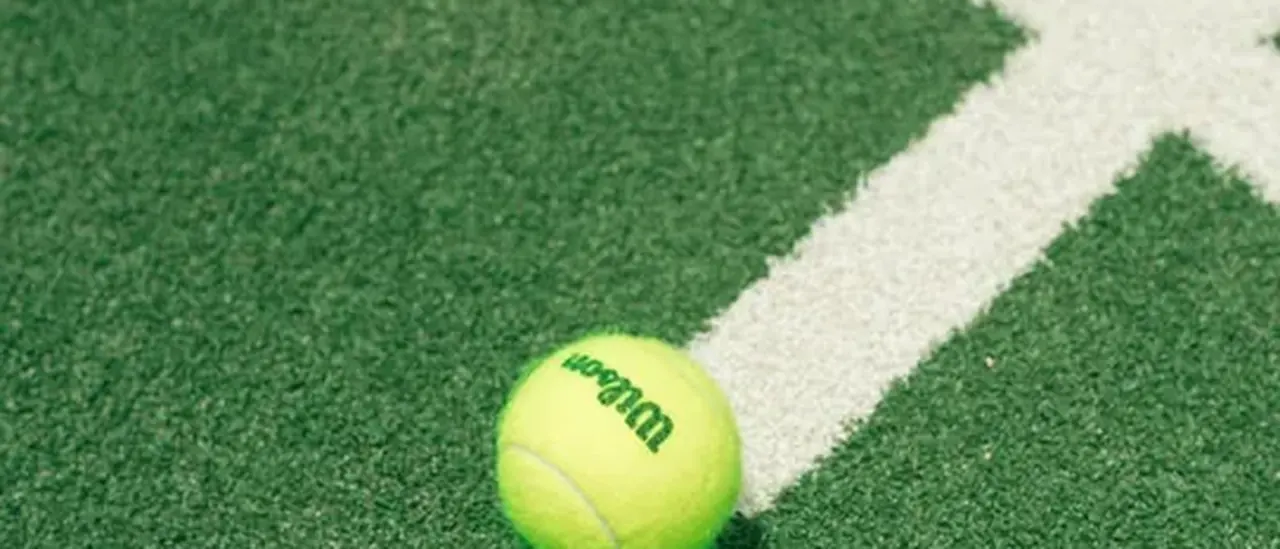
The meticulous preparation of a professional tennis player extends far beyond their training regimen. It is embedded in the details, right down to the systematic organization of their kit bag. For a competitor at The Championships, Wimbledon, where Wimbledon traditions and the unique demands of grass court play reign supreme, this organization isn't just about convenience—it’s a critical component of match-day readiness. The right gear, in the right place, at the right moment can mean the difference between capitalizing on a break point and being caught off guard.
This guide will transform your approach to packing, moving you from haphazard stuffing to a methodical, tournament-ready system. By adopting the principles used by players navigating The Draw at the All England Club, you’ll ensure you’re prepared for every eventuality, from a sudden change in weather to a marathon five-setter. Here is your definitive checklist for organizing your tennis bag with the precision of a Wimbledon contender.
Prerequisites: What You Need to Assemble
Before we begin the step-by-step organization, ensure you have the following core items. This list forms the non-negotiable foundation of a professional’s kit, tailored for the challenges of lawn tennis.

The Bag Itself: A high-quality, dedicated tennis bag with multiple compartments (typically a 6-12 racket bag). Look for thermal-lined racket sleeves to protect your equipment from heat warping. Rackets: A minimum of three identical, freshly strung rackets. Consistency is key. For insights on achieving optimal performance, explore our guide on Wimbledon Tennis String Types: Poly, Gut & Hybrid. Footwear: At least two pairs of grass-court specific shoes, with extra sets of laces. The grass surface demands superior traction and support. Apparel: Multiple full changes of performance clothing (shirts, shorts, skirts, socks), including warm-up attire and a waterproof jacket. Grip & Accessories: Overgrips (6+), replacement dampeners, sunscreen, sweatbands/visors, and a small towel. Hydration & Nutrition: Two large, insulated water bottles and energy gels/bars. Recovery & First Aid: A basic kit including athletic tape, blister pads, anti-inflammatory gel, and a flexible cold pack.
The Step-by-Step Process to Pro Organization
1. Designate Your Compartments with Purpose
The first rule of pro organization is consistency. Always use the same compartment for the same category of item. This builds muscle memory, allowing you to find anything instantly, even under pressure. Main Thermal Sleeves: Dedicate these exclusively to your rackets. Never stuff clothing or shoes in here, as it can affect the racket’s frame and string bed. Large Main Compartment: This is for bulk apparel—your changes of clothes, warm-up gear, and towel. Medium Front Compartment: Designate this for footwear. Keep shoes in separate ventilated bags to contain dirt and moisture. Smaller Zippered Pockets: Assign these for specific small items: one for grips/dampeners, one for first aid, one for personal items (phone, wallet), and one for nutrition.2. Pack Your Rackets with Care
Your weapons are your most important asset. Insert each racket into its own thermal sleeve with the head facing downward. This prevents the handles from rubbing against the zipper and ensures the racket heads are cushioned at the bottom of the bag. Ensure they are securely strapped in place to prevent any movement or clattering during transport.3. Systematize Your Apparel and Footwear
Roll, don’t fold, your clothing. Rolling saves space, minimizes wrinkles, and makes items easier to locate. Pack complete outfits together (shirt, shorts, socks). For footwear, place each pair in a lightweight shoe bag. After playing on the damp grass court, you can seal the muddy shoes away without contaminating the rest of your bag’s contents.4. Create a Dedicated "Performance Essentials" Pouch
This is a pro secret. Use a clear, zip-top pouch for all small, crucial performance items: extra overgrips, vibration dampeners, a mini-tube of sunscreen, and a sharpie for autographs. The visibility means you can do a quick inventory check before you leave for the court, ensuring you never run out of a critical item mid-match.5. Prepare for the Elements and Marathon Matches
The Wimbledon fortnight is famous for its unpredictable weather. Your waterproof jacket is non-optional. Furthermore, the intensity of a potential five-set match demands nutritional strategy. Pack more hydration and energy gels than you think you’ll need. A change of socks for a potential second match or a long day is also a wise move, mirroring the preparation needed for a long wait in The Queue.6. Finalize with Personal & Recovery Items
In your final, easily accessible pocket, place your personal items, your first-aid kit, and a flexible cold pack. The ability to quickly address a hot spot on your foot or apply a cool compress to a forearm can be invaluable during a tournament. This compartment is your logistical headquarters.Pro Tips and Common Mistakes to Avoid
Pro Tips:
The Night-Before Rule: Pack your bag completely the night before any match or training session. This eliminates morning stress and ensures nothing is forgotten. Post-Session Ritual: Immediately after playing, repack your bag. Replace used grips, restock consumed nutrition, and place dirty clothes in a separate laundry bag within the main compartment. A pro’s bag is always ready to go. Weight Distribution: Place heavier items like shoes and water bottles closer to your back when wearing the bag as a backpack for better balance and comfort. Mental Checklist: As you pack, visualize your match day—from warm-up, through changes of ends, to post-match recovery. Pack for each phase.
Common Mistakes:
Overpacking: A bulging, heavy bag is exhausting to carry and makes items impossible to find. Stick to the essentials. For gear that makes the cut, visit our Wimbledon Tennis Gear hub. Neglecting Wet Gear: Never leave sweaty clothes or wet shoes festering in your bag. This ruins equipment and creates an unbearable odor. Always air out your bag after use. Inconsistent Placement: The "shove-and-go" method will fail you when you desperately need a fresh grip. Discipline in compartmentalization is everything. * Forgetting Off-Court Essentials: Remember items for your time off the court—a hat for the sun, a light sweater for cooler evenings, and perhaps a portable charger. For managing environmental noise while focusing on your game plan, consider technology like that reviewed in our article on Cardo Beyond GTS GT Wind Tunnel Test and Review: Active Noise Cancellation at 74 mph.Your Ultimate Wimbledon-Pro Organization Checklist
Use this bullet list as your final pre-departure audit to ensure your bag is perfectly packed and ready for the courts of the All England Lawn Tennis and Croquet Club.
- Racket Zone: 3+ identical rackets secured in thermal sleeves.
- Apparel System: 2-3 full rolled outfits, warm-up gear, waterproof jacket, and a small towel packed in the main compartment.
- Footwear Ready: 2 pairs of grass-court shoes in separate bags in their designated compartment.
- Performance Pouch Stocked: Clear pouch filled with 6+ overgrips, dampeners, sunscreen, and a sharpie.
- Hydration & Fuel: Two full insulated water bottles and sufficient energy gels/bars.
- Recovery Hub: Basic first-aid kit, athletic tape, blister pads, and a flexible cold pack.
- Personal Items: Phone, wallet, keys, and any off-court necessities securely stored.
- Post-Match Prep: Empty laundry bag included for used clothing.
- Final Check: Bag is zipped, weight is distributed, and nothing is missing.
Reader Comments (0)