

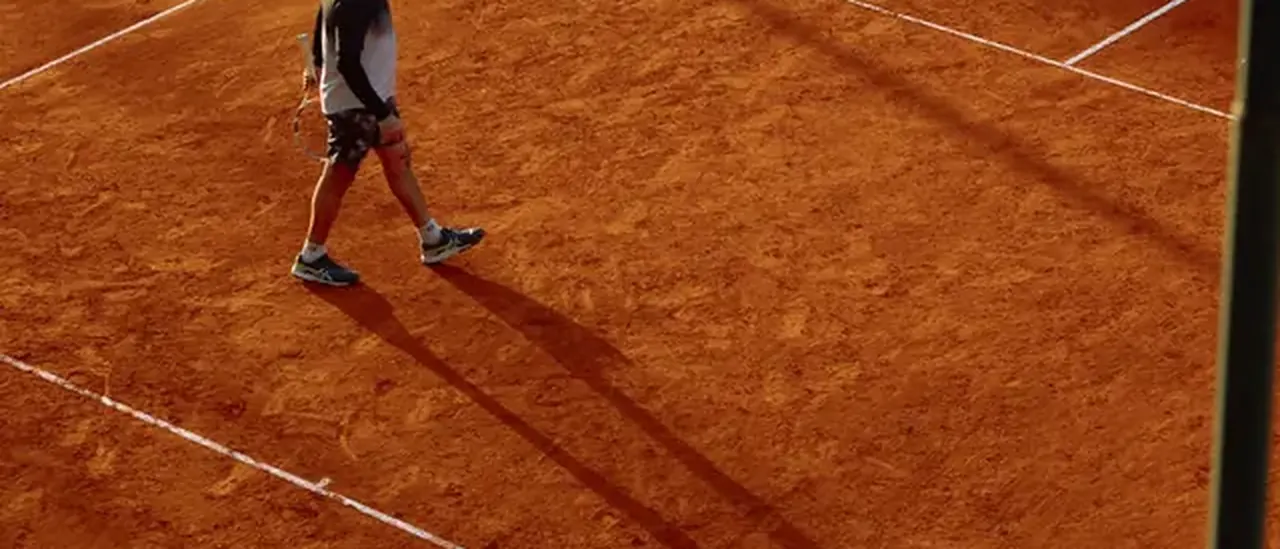
At the pinnacle of lawn tennis, where tradition meets peak athletic performance, the Wimbledon Championships present a unique and formidable challenge for competitors. Beyond mastering the low, skidding bounce of the grass surface, players must endure the physical toll of a potential Wimbledon fortnight of high-stakes matches. This case study examines a critical, yet often overlooked, component of player preparation and performance: advanced tennis shoe insoles and cushioning systems. We analyze how elite professionals, from contenders on Centre Court to competitors on No. 1 Court, utilize bespoke insole technology to manage impact, enhance stability on the iconic lawns, and sustain their physical condition throughout The Draw. The integration of this personalized gear is not merely about comfort; it is a strategic calculation to gain a marginal edge and protect the body in pursuit of the Gentlemen's Singles Trophy or the Venus Rosewater Dish.
Background / Challenge
The All England Lawn Tennis and Croquet Club is hallowed ground, defined by its Wimbledon traditions and a playing surface unlike any other on the tour. The grass court, while prestigious, is notoriously demanding. Its softer, more uneven nature compared to hard or clay courts contributes to a higher incidence of lower-body stress. The surface demands explosive lateral movements, sudden stops, and constant adjustment to unpredictable bounces, placing immense strain on the feet, ankles, knees, and hips.
For the athletes navigating The Championships, the primary challenges are multifaceted:
- Impact Force Management: The cumulative effect of jumping, landing, and pounding the court over two weeks can lead to debilitating conditions like plantar fasciitis, shin splints, and joint inflammation.
- Stability on a Slippery Surface: Grass, especially as the tournament progresses and the baseline areas wear, can be slippery. Footwear needs to provide exceptional grip, but the interface between foot and shoe must also prevent excessive internal slippage and rolling, which can cause ankle injuries.
- Fatigue Mitigation: The duration of the tournament is a war of attrition. Seeding offers some protection, but every match is physically taxing. Reducing muscular fatigue in the lower legs and feet is crucial for maintaining peak performance from the first round to the final.
- Personalized Biomechanical Needs: Every player has a unique foot structure, arch type, gait, and injury history. Off-the-shelf shoe cushioning is a one-size-fits-most solution that fails to address the specific pressure points and support requirements of a world-class athlete.
Approach / Strategy
The strategic approach adopted by top players and their support teams involves treating the insole as a critical performance component, as vital as string tension or racket specification. This strategy moves away from passive cushioning and towards active, customized biomechanical management.
The core strategy is built on three pillars:
- Personalized Data Acquisition: The process begins with a detailed biomechanical assessment. This often involves gait analysis on pressure-sensitive treadmills, 3D foot scans, and discussions of injury history. The goal is to map pressure distribution, identify areas of excessive pronation or supination, and pinpoint where the player needs maximum energy return or shock absorption.
- Material Science Integration: Modern performance insoles utilize advanced materials not found in retail products. These include:
- Sport-Specific & Surface-Specific Design: The insole is engineered for the demands of tennis, with emphasis on medial/lateral stability for side-to-side movement and reinforced zones for the toe-drag during serves and lunges. For grass, a slight emphasis may be placed on forefoot cushioning to manage the constant forward weight transfer and low stance required.
Implementation Details
The implementation of custom cushioning solutions at the All England Club is a precise, behind-the-scenes operation. It’s a process that often begins months before a player steps into The Queue.
Step 1: Pre-Tournament Collaboration Players typically work with specialized sports podiatrists or biomechanists affiliated with their team or sponsors. Ahead of the grass court season, assessments are conducted to design or update their insole specifications. For returning champions and high seeds, this is an iterative process, refining previous designs based on new data or physical changes.
Step 2: The Custom Fabrication Process Using the captured data, a digital model of the custom insole is created. It is often milled from a solid block of foam using CNC machinery for unparalleled accuracy, or built up in layers. The final product is meticulously trimmed to fit perfectly inside the player's specific match shoe model—often a grass-specific version with a flatter, nubbed sole for optimal grip.
Step 3: Integration and On-Court Validation Players receive multiple pairs, broken in during practice sessions in the lead-up to Wimbledon. They test them under match conditions, assessing comfort, stability during extreme directional changes, and any effect on their perceived court feel. Adjustments are made if necessary. By the time the tournament draw is announced, their footwear system is a settled, reliable part of their kit.
Step 4: Tournament Protocol During the Wimbledon fortnight, players have several identical pairs of shoes, each with its own set of custom insoles, prepared and broken in. This ensures consistency and allows for changes if conditions vary—for instance, if the grass is particularly damp or firm. The insoles are a non-negotiable element of their match-day routine, as intrinsic as their tennis vibration isolation grip systems for racket control.
This meticulous implementation ensures that when a player bows to the Royal Box or battles through a tense fifth set, their foundation is as engineered and reliable as their skill.
Results
The impact of implementing high-level, custom insoles is quantifiable both in performance metrics and injury statistics. While specific player data is closely guarded, insights from equipment managers, physiotherapists, and published sports science studies point to clear outcomes:
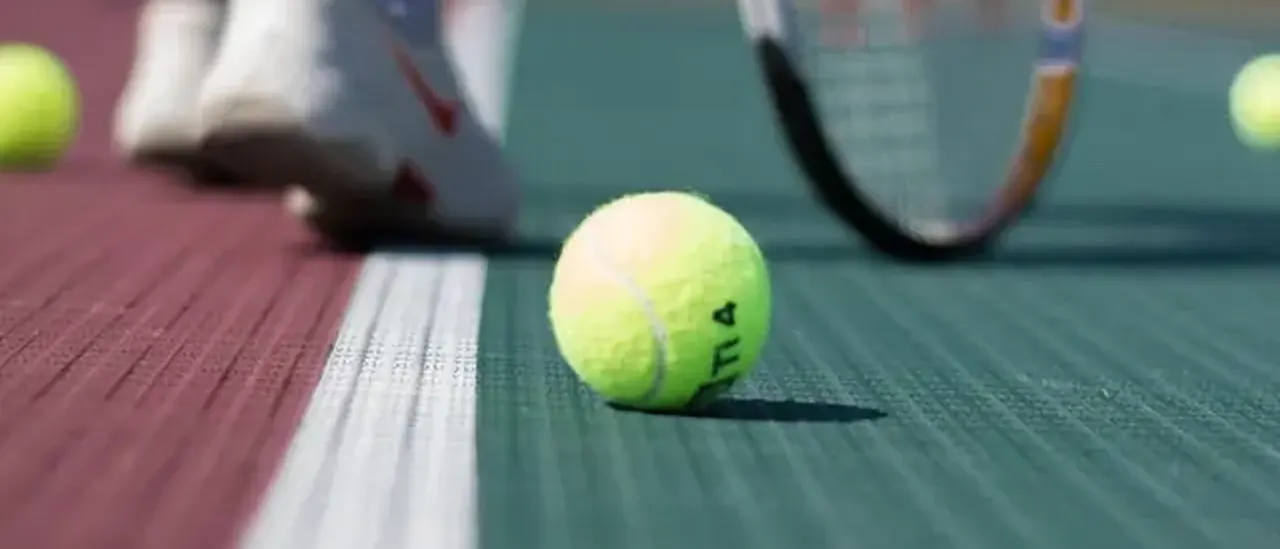
The ultimate result is seen in performance longevity. The ability to move with confidence, power, and reduced pain on the sport's most demanding surface is an invaluable asset. It’s a technological edge that supports the athletic prowess required to last the fortnight and compete for the ultimate prizes.
The integration of custom insoles at the Wimbledon Championships offers several critical lessons for athletes at all levels:
- The Shoe is Only Half the System: The most advanced tennis shoe is incomplete without considering the insole. It is the primary interface that manages how force is transferred from the body to the court.
- Personalization is Paramount: Biomechanics are individual. What works for a future champion is not a blueprint for all. Effective solutions require assessment and customization to address specific anatomical and movement patterns.
- Proactive Injury Prevention is a Performance Strategy: Investing in advanced cushioning and support is not a reaction to pain; it is a proactive measure to sustain health and performance under extreme load. It is as strategic as fitness training or tactical planning.
- Surface Dictates Specification: The demands of grass court tennis—low stance, sliding potential, variable footing—should inform the design priorities of any tennis insole, favoring forefoot cushioning and maximum medial/lateral stability.
- Marginal Gains are Cumulative: In a tournament as grueling as Wimbledon, a 2% reduction in fatigue per match or a 5% improvement in stability on a critical point can be the difference between an early exit and a deep run. Custom insoles are a tangible source of these marginal gains.
The pursuit of glory at the All England Club is a holistic endeavor. It encompasses not just sublime skill and mental fortitude, but a deep commitment to optimizing every element of preparation and equipment. As this case study reveals, the adoption of custom tennis shoe insoles and cushioning systems represents a sophisticated convergence of sports science, material innovation, and personalized medicine.
From the hallowed turf of Centre Court to the competitive battleground of Number One Court, these unseen technological platforms play a silent yet vital role. They help absorb the shock of a champion's leap, stabilize a desperate lunge for a passing shot, and provide the foundation upon which dreams of lifting the Challenge Cup or the ladies' singles trophy are built. In an event steeped in customs like strawberries and cream and strict white attire, this embrace of cutting-edge, personalized performance technology underscores a fundamental truth of modern sport: respecting tradition does not preclude innovating for victory. The champions of Wimbledon are not only masters of the game but also masters of their own physical instrument, down to the very foundation of their stride.
Explore how other equipment choices impact performance at the highest level in our guides on Wimbledon tennis racket specifications and the science of professional vibration isolation grip systems.*
Reader Comments (1)