

The Wimbledon Seeding Committee: How It Works & Historical Decisions
The Wimbledon Championships operate with a unique blend of timeless tradition and meticulous modern administration. Central to the competitive integrity of the tournament is the seeding process, a system designed to ensure the strongest players do not meet in the early rounds. This glossary elucidates the key terms, committees, and traditions that define how seeding works at the All England Lawn Tennis and Croquet Club, alongside the historical decisions that have shaped its application.
The Draw
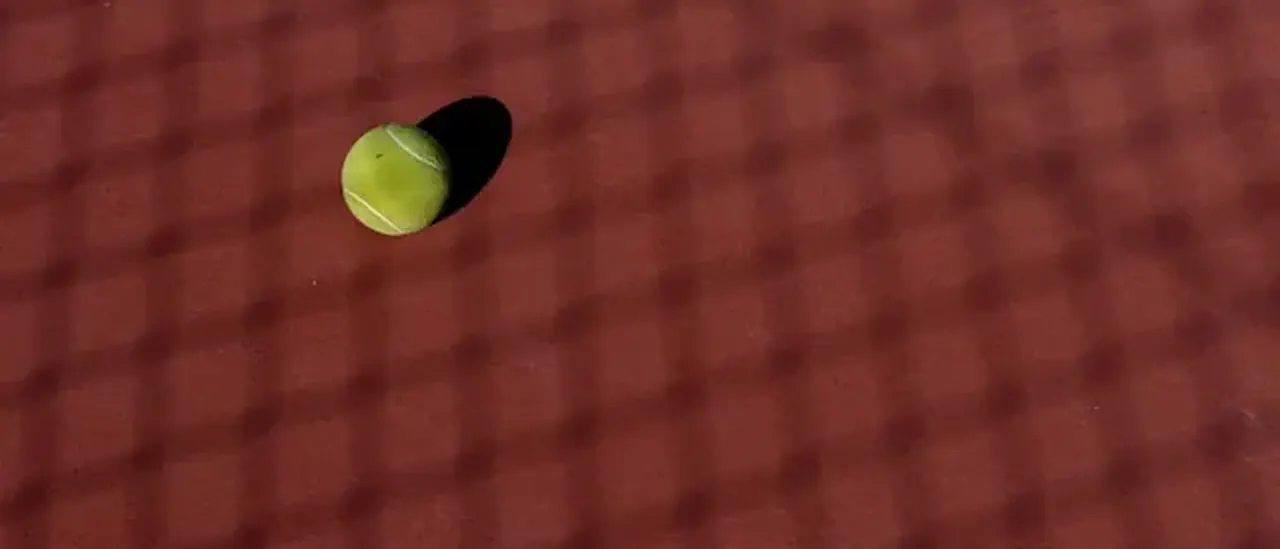
The Draw refers to the formal bracket that maps the path to the championship for every competitor in a singles or doubles event. Conducted in a public ceremony before the tournament begins, it randomly places each player into a position, with the crucial exception of the seeded players, whose placements are strategically determined to prevent early clashes between the top contenders.Seeding
Seeding is the practice of ranking and placing a select group of top players within The Draw to separate them until the later stages of the tournament. A player’s seed number (e.g., No. 1 seed) is an indicator of their perceived strength and potential to win the title, influencing their expected path through the competition.Wimbledon Seeding Committee
The Wimbledon Seeding Committee is a panel of experts convened by the All England Club to determine the seedings for the Gentlemen’s and Ladies’ singles events. Unlike other Grand Slams, which historically used a strict mathematical ranking, this committee has the discretion to adjust seedings based on a player’s proven prowess on grass courts.Grass Court Proficiency
A key criterion historically considered by the Seeding Committee is a player’s demonstrated success on grass courts. This includes past results at Wimbledon itself, as well as performances in pre-Wimbledon grass-court tournaments. This discretion has allowed for seeding adjustments to better reflect the unique challenges of the surface.All England Lawn Tennis and Croquet Club
The All England Lawn Tennis and Croquet Club (AELTC) is the private members’ club that owns and organizes The Championships, Wimbledon. Its Committee of Management holds ultimate responsibility for all tournament regulations, including endorsing the seeding lists prepared by the Seeding Committee.Gentlemen's Singles Trophy
Officially known as the Challenge Cup, the Gentlemen's Singles Trophy is awarded to the men's singles champion. First presented in 1887, this silver-gilt cup is inscribed with the names of every champion and is a central symbol of Wimbledon’s heritage, representing the pinnacle of achievement in lawn tennis.Venus Rosewater Dish
The Venus Rosewater Dish is the sterling silver salver awarded to the ladies' singles champion. Dating from 1864, it is adorned with mythological figures and, like the Challenge Cup, is engraved with the champions’ names. It remains in the possession of the All England Club, with a miniature replica given to the winner.Centre Court
Centre Court is the principal and most iconic stadium at the All England Club. Hosting the tournament’s most significant matches since 1922, it is synonymous with Wimbledon’s greatest moments. Its unique atmosphere and retractable roof make it the ultimate stage where seeding predictions are ultimately put to the test.No. 1 Court
No. 1 Court is the second show court within the Wimbledon grounds. It has a distinct, intimate atmosphere and has hosted countless classic matches. The quality of play on this court often means that highly seeded players can face stern tests here in the tournament’s middle rounds.The Championships
The Championships, commonly referred to as Wimbledon, is the oldest and most prestigious tennis tournament in the world. Founded in 1877, it is the only Grand Slam event still played on grass courts, and its traditions, from the all-white dress code to the seeding process, are integral to its global stature.Wimbledon Fortnight
Wimbledon Fortnight is the traditional term for the tournament’s duration, which spans fourteen days from the first Monday to the second Sunday. This period dictates the carefully structured schedule of matches, with the seeding system designed to build drama and maintain competitive balance throughout the fortnight.Middle Sunday
Traditionally a day of rest with no scheduled play, Middle Sunday was a unique feature of the Wimbledon calendar, allowing for grass court maintenance. This tradition was broken only in times of extreme rain delays until 2022, when it became a permanent day of play, altering the flow of the fortnight.The Queue
The Queue is the famous, orderly line in Wimbledon Park where thousands of spectators wait for the opportunity to purchase daily ground passes or show court tickets. It is a democratic and cherished tradition, embodying the tournament’s spirit of fair access.Royal Box
The Royal Box is a reserved seating area on Centre Court for members of the British Royal Family, dignitaries, and guests of the All England Club. The presence of its occupants adds to the ceremonial gravitas of the matches played below, including those involving the top seeds.Strawberries and Cream
The consumption of strawberries and cream is a quintessential Wimbledon tradition for spectators. First served in the early days of The Championships, this simple snack has become an inseparable part of the tournament experience, enjoyed by fans regardless of which seeded player they are watching.Lawn Tennis Court
A lawn tennis court at Wimbledon is a meticulously maintained grass surface, defining the character of the tournament. Its speed and low, skidding bounce historically favored serve-and-volley players, a factor the Seeding Committee has considered when evaluating a player’s suitability for a high seed.Historical Seeding Decisions
Throughout its history, the Wimbledon Seeding Committee has made several notable and sometimes controversial decisions. A prominent example was the elevation of Boris Becker to the No. 2 seed in 1986, following his title win the previous year, despite a world ranking outside the top four, acknowledging his specific dominance on grass.Seed Protection
The concept of seed protection is a fundamental goal of the seeding system. By separating the top players in The Draw, the tournament aims to protect the integrity of the later rounds, ensuring that the semifinals and finals feature the most deserving and highest-quality matchups.Current Seeding Formula
Since 2021, the seeding for the Gentlemen’s Singles has been determined by a standardized formula that blends a player’s ATP Ranking points with 100% of the points earned from all grass-court tournaments in the preceding year. This formalized approach increased transparency while retaining a grass-court weighting.Discretionary Power
The discretionary power of the Seeding Committee, though now more constrained by the formal formula for men, remains a defining historical feature. It represented a belief that Wimbledon’s grass courts were a specialized test, warranting a tailored approach to ranking the contenders.Seeding Controversies
Seeding controversies have arisen when the Committee’s decisions significantly deviated from the official world rankings. These instances often sparked debate about fairness versus surface specialization, highlighting the tension between statistical ranking and expert judgment in sport.Ladies' Singles Seeding
The seeding for the Ladies’ Singles has historically adhered more closely to the WTA Tour rankings, with less overt use of discretionary adjustments. However, the Committee retains the right to modify seedings in exceptional circumstances to produce a balanced draw.Impact on Tournament Narrative
The seeding system directly shapes the tournament narrative by creating anticipated pathways to the final. Potential matchups between top seeds become talking points from the moment The Draw is released, building storylines that unfold throughout the Wimbledon fortnight.Seeding and The Draw Ceremony
The Seeding Committee’s work culminates in and is essential to The Draw ceremony. The seeds are placed at fixed positions within the bracket before the remaining names are drawn at random, a process that combines structured competition with the inherent unpredictability of sport.In summary, the Wimbledon seeding process is a sophisticated mechanism that balances historical expertise with evolving formal structures. From the discretionary decisions of its dedicated committee to the current grass-weighted formula, it is designed to honor the unique challenge of the lawn tennis court while striving for a fair and compelling competition. This system ensures that the journey to lift the Gentlemen's Singles Trophy or the Venus Rosewater Dish on Centre Court remains the ultimate test in the sport, deeply woven into the fabric of Wimbledon traditions.
Reader Comments (0)