
Wimbledon Invitational Doubles: The Senior Event for Tennis Legends
The Wimbledon Championships are steeped in a unique lexicon, a blend of sporting terminology, historical references, and cherished traditions. Understanding this specific vocabulary is key to appreciating the depth and nuance of the tournament, from its competitive structures to its iconic social rituals. This glossary serves as a guide to the essential terms that define the Wimbledon experience, providing clarity on its events, venues, and customs.
All England Lawn Tennis and Croquet Club
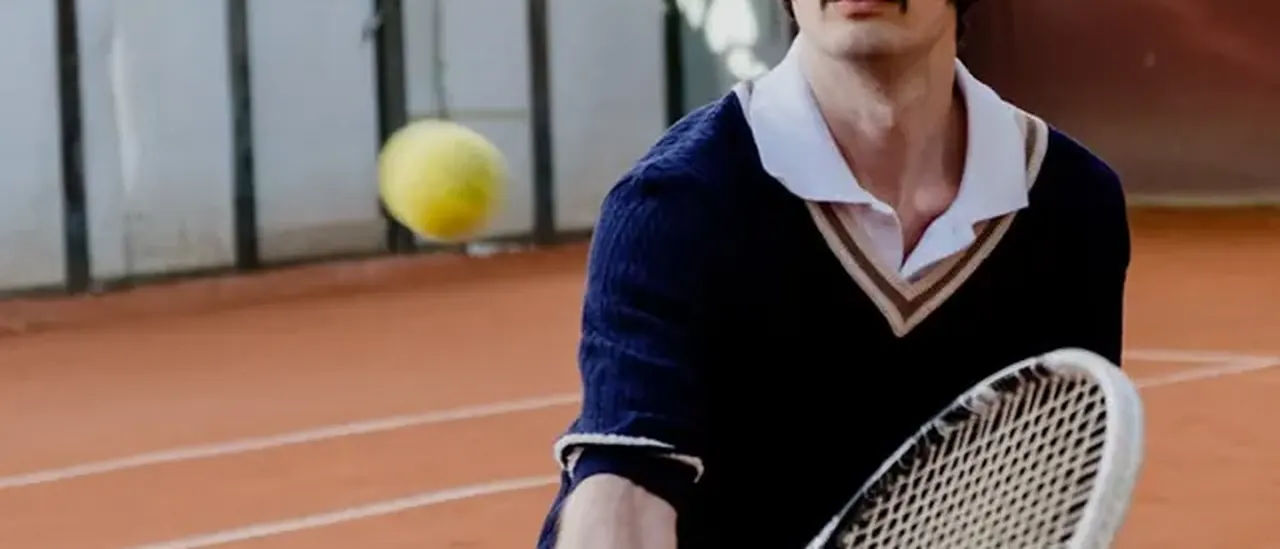
The private club that has been the home of the Wimbledon Championships since 1877. Commonly referred to as the All England Club or AELTC, it is responsible for organizing and staging the tournament on its grounds in Wimbledon, London. Membership is highly sought after, and the club’s Committee of Management oversees all aspects of The Championships.Centre Court
The premier and most famous tennis court in the world, located at the All England Club. It is the focal point of the Wimbledon fortnight, hosting the tournament’s latter stages and finals. Renowned for its retractable roof and traditional ivy-covered walls, Centre Court embodies the pinnacle of lawn tennis achievement.The Championships
The official name for the Wimbledon tournament, first held in 1877. It is the oldest tennis tournament in the world and is one of the four Grand Slam events. The term underscores the event’s historical gravitas and its status as the definitive championship in lawn tennis.The Draw
The tournament draw determines the match schedule and pairings for each competition. The Wimbledon draw is a structured bracket that places seeded players to avoid early meetings and randomly assigns all other competitors. It is a pivotal moment that shapes the narrative of the entire fortnight.Gentlemen's Singles Trophy
The silver-gilt cup awarded to the men's singles champion, officially known as the Challenge Cup. First presented in 1887, the trophy is engraved with the name of every champion and is one of the most iconic symbols in sport. The winner receives a replica to keep permanently.grass court
The playing surface used at Wimbledon, consisting of 100% perennial ryegrass. This grass surface defines the unique style of play at The Championships, favoring players with strong serve-and-volley tactics and quick reflexes. Its maintenance is a year-round endeavor for the ground staff.Middle Sunday
Traditionally a day of rest during the Wimbledon fortnight, with no matches scheduled, allowing for grass court recovery. This long-standing custom was only broken in rare circumstances due to rain delays until 2022, when it became a permanent part of the playing schedule.No. 1 Court
The second show court at the All England Club, officially known as Number One Court. It complements Centre Court by hosting major matches throughout the tournament and features its own retractable roof. The atmosphere on No. 1 Court is often considered uniquely intimate and passionate.Royal Box
A reserved seating area on Centre Court for members of the British Royal Family, dignitaries, and other distinguished guests. Attendance in the Royal Box is a great honor, and its occupants are a constant feature of television coverage during the tournament.seeding
A system used to rank and place the top players in The Draw to prevent them from facing each other in the early rounds. Seeded players are determined by a formula that considers both world ranking and previous performances on grass courts, specifically at Wimbledon.strawberries and cream
The quintessential and most famous culinary tradition associated with Wimbledon. Served since the tournament's earliest days, this simple combination of fresh strawberries and whipped cream is consumed by hundreds of thousands of visitors each year, symbolizing the British summer event.The Queue
The famous, orderly line for purchasing daily ground passes or returned show court tickets on the day of play. The Wimbledon Queue is an institution in itself, governed by a strict code of conduct and representing a democratic and traditional method of gaining access to The Championships.Venus Rosewater Dish
The sterling silver salver awarded to the ladies' singles champion. Known as the Rosewater Dish, it is adorned with mythological figures and has been presented since 1886. Like the Gentlemen's Singles Trophy, the champion receives a miniature replica.Wimbledon fortnight
Refers to the traditional two-week duration of The Championships. The term "fortnight" is a classic British expression for fourteen nights and is intrinsically linked to the event's scheduling and cultural identity within the British sporting calendar.Wimbledon traditions
The collection of customs and heritage that distinguish The Championships, including strict all-white clothing rules, the absence of sponsor advertising around the courts, and the presence of ball boys and ball girls. These traditions are meticulously preserved to maintain the tournament's unique character and historical continuity.Wimbledon Invitational Doubles
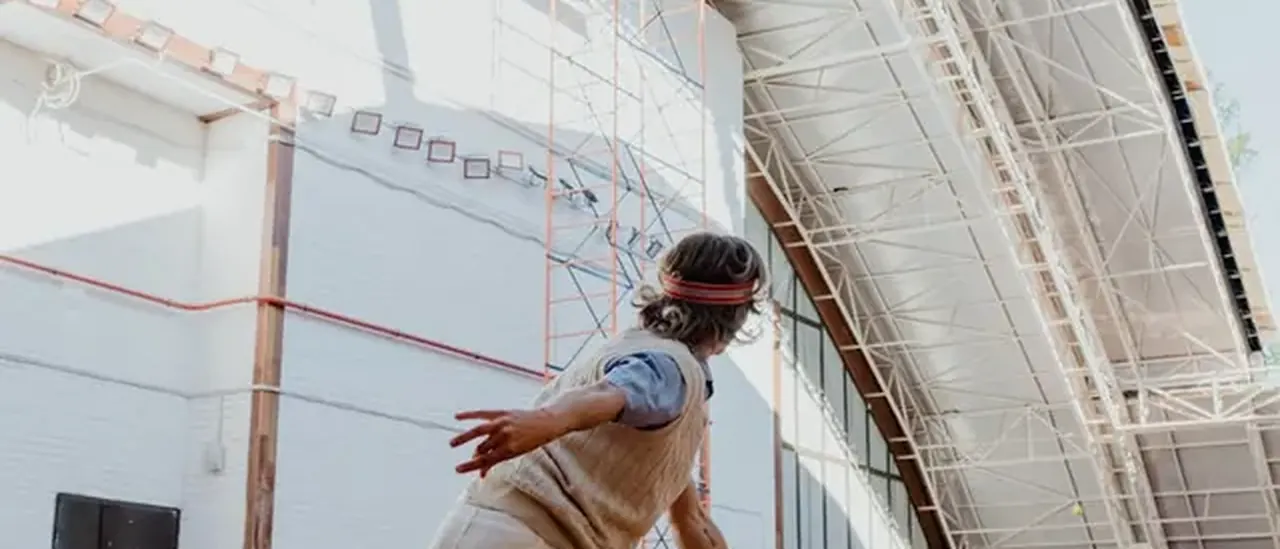
A senior event held during The Championships featuring legendary former players. This invitational doubles event celebrates the careers of tennis greats, allowing them to compete in a relaxed yet competitive atmosphere on the hallowed grass courts, much to the delight of fans.In summary, the terminology of Wimbledon is more than just a set of definitions; it is the language of its enduring legacy. From the precise engineering of its grass courts to the time-honored ritual of The Queue, each term encapsulates a piece of the tournament's identity. This vocabulary connects the modern spectacle to its rich history, ensuring that the essence of The Championships is passed on and understood by each new generation of enthusiasts. For a deeper exploration of this heritage, consider reading about the broader Wimbledon history and legacy or the specific significance of its prizes in our Wimbledon trophy guide.
Reader Comments (0)