

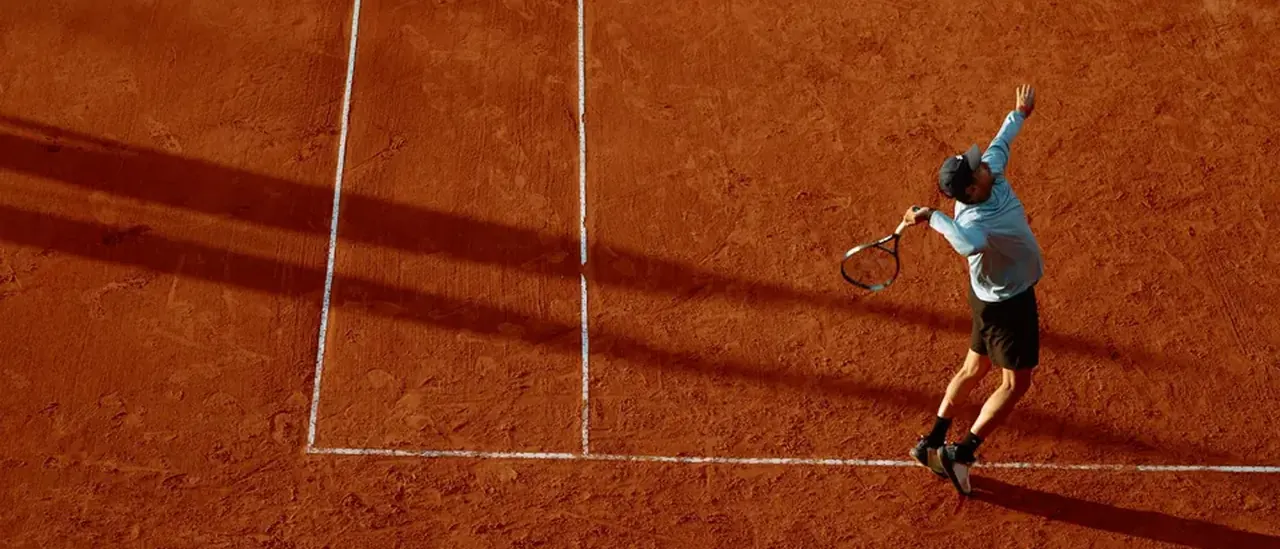
Behind the pristine grass and thunderous serves of Wimbledon lies a meticulously organized world of officiating. From the iconic chair umpire's call of "Quiet, please" to the line judges' split-second decisions, a small army of officials ensures The Championships run with legendary precision. This glossary breaks down the key roles and titles of the people in white and green who are essential to the Wimbledon tournament.
Chair Umpire
The chair umpire is the final authority on all rulings during a match. Seated high above the court, they announce the score, enforce the rules, and can overrule line judges. They are responsible for managing player conduct, issuing code violations, and ensuring the match proceeds according to the strict protocols of the All England Club.Line Umpire
Line umpires are positioned around the court to call whether a ball lands "in" or "out" on their specific line. They make instantaneous decisions using only their eyesight. At Wimbledon, their distinctive call of "Out" or "Fault" is a classic sound of The Championships, though many courts now also use electronic line-calling technology.Net Cord Judge
Positioned at one end of the net, this official has one primary duty: to listen for and call a "let" (a serve that touches the net tape but lands in the correct service box). They use both sound and sight to make this call, which results in the serve being replayed.Foot Fault Judge
Located at the baseline near the serving player, this official watches for foot faults. A foot fault occurs if the server's foot touches the baseline or the court inside the baseline before the racket makes contact with the ball, resulting in a fault.Chief Umpire
The chief umpire oversees the entire team of officials for the tournament. They are responsible for assigning umpires and line judges to matches, handling any major disputes or protests, and ensuring consistency in rule application across all courts at the All England Lawn Tennis and Croquet Club.Review Official
On courts equipped with Hawk-Eye Live Electronic Line Calling, the review official monitors the technology. While players no longer challenge calls, this official is on hand to confirm the system's automated "Out" call and communicate any rare technical issues to the chair umpire.Referee
The referee is the top rules official for the entire Wimbledon Championships. They make decisions on scheduling, rain delays, and eligibility, and are the final point of appeal beyond the chair umpire. The referee's office handles all off-court rulings that affect the tournament.Grand Slam Supervisor
These are officials appointed by the International Tennis Federation (ITF) who are present at all four Grand Slams, including Wimbledon. They work with the tournament referee to ensure the event adheres to Grand Slam rules and regulations, providing an additional layer of oversight.Ball Crew
The ball crew, often local schoolchildren, are vital to the flow of the match. They retrieve balls, supply fresh balls to the server, and pass towels to the players. Their discipline and efficiency are hallmarks of the slick Wimbledon operation on Centre Court and No. 1 Court.Court Supervisor
Acting as a liaison between the officials and tournament operations, the court supervisor ensures everything runs smoothly for a specific match. They manage the ball crew, coordinate with the chair umpire on any logistical needs, and handle court conditions during breaks.Off-Court Umpire
Also known as a reserve umpire, this official is on standby for each match. They can substitute in if the assigned chair umpire is unable to continue and often assist with administrative duties like filling out the official scorecard.Head of Officiating
This is a senior administrative role within the All England Club. The Head of Officiating works on the long-term planning, recruitment, and training of the officiating team, ensuring Wimbledon's high standards are maintained year after year.Umpire Coordinator
Working under the chief umpire, the coordinator handles the daily logistics of the officiating team. They create the daily assignment schedules, manage the umpires' lounge, and ensure all officials are where they need to be across the grounds.Service Umpire
In major finals, a service umpire may be used in addition to the baseline foot fault judges. They focus solely on the service motion to ensure complete compliance with the serving rules at the most critical moments.Tenacity and Concentration
While not an official title, these are the essential qualities required of every Wimbledon official. The pressure is immense, with millions watching and players competing for the Gentlemen's Singles Trophy or Venus Rosewater Dish. Their ability to remain focused and impartial defines the integrity of the match.*
From the decisive chair umpire to the keen-eyed line judge, each official plays a specialized part in the Wimbledon ballet. Their collective expertise and unwavering focus protect the rules and spirit of the game on the hallowed grass courts, allowing the players' skill and the rich Wimbledon traditions to take center stage. Understanding these roles deepens our appreciation for the flawless execution behind every match during the Wimbledon fortnight.
Reader Comments (1)