

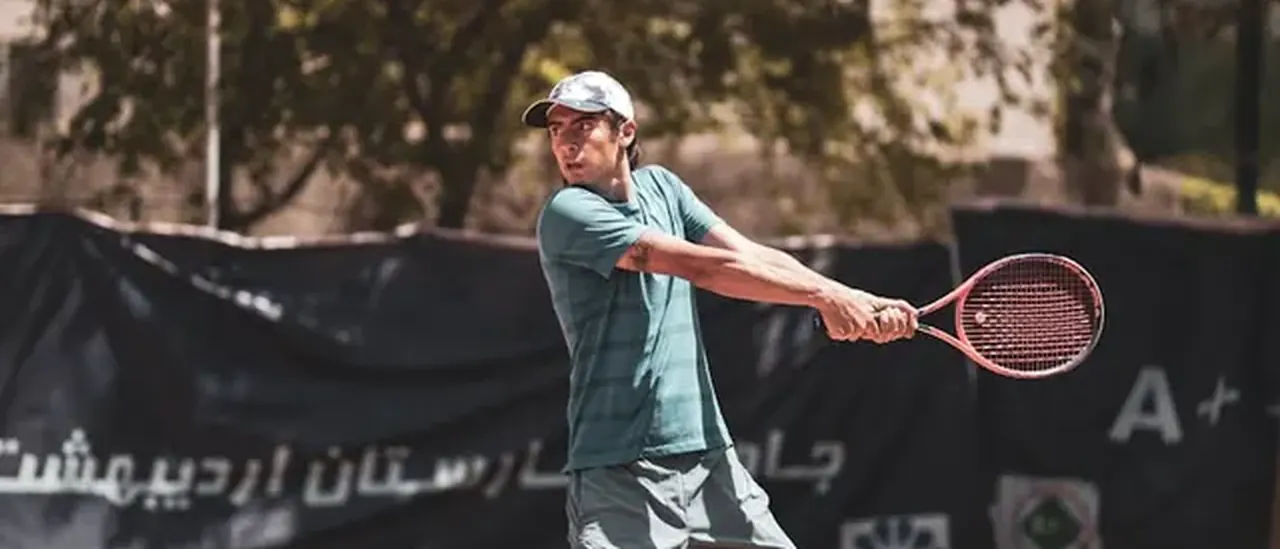
The Wimbledon Championships stand as the oldest and most revered tournament in tennis. Since its inception in 1877, the hallowed grass courts of the All England Lawn Tennis and Croquet Club have borne witness to the sport’s most defining moments and legendary champions. To study the list of winners is to trace the very evolution of the game, from the genteel amateur era to the power and precision of the modern professional. This pillar guide serves as the definitive record, chronicling every Gentlemen's Singles Trophy and Venus Rosewater Dish holder, alongside the celebrated champions of doubles and mixed competition. It is more than a register of names; it is the core narrative of Wimbledon history and legacy, a testament to the enduring pursuit of excellence on the sport’s grandest stage.
The Genesis of Greatness: Early Championships & The Amateur Era
The first Wimbledon tournament in 1877 was a modest affair, featuring only the Gentlemen’s Singles event. Spencer Gore, with his innovative volleying technique, claimed the inaugural Challenge Cup before a crowd of 200 spectators. For decades, the tournament remained the preserve of amateur athletes, with champions like the Renshaw brothers, who dominated the 1880s, and the iconic “Big Bill” Tilden in the 1920s, shaping its early character.
The Ladies’ Singles was introduced in 1884, with Maud Watson becoming the first name inscribed on the Venus Rosewater Dish. This era established the foundational Wimbledon traditions—the strict white clothing, the reverence for the grass surface, and the unique social spectacle—that continue to define The Championships. The roll call from this period includes legends such as Suzanne Lenglen, whose athleticism and flair revolutionised the women’s game in the 1920s, and Fred Perry, whose three consecutive titles (1934-1936) cemented his status as a British sporting icon until the arrival of a new champion decades later.
The Open Era & The Rise of Global Superstars
The watershed year of 1968 marked the dawn of the Open Era, allowing both professionals and amateurs to compete. This transformation elevated the level of competition and globalised the tournament’s appeal. The Wimbledon fortnight became a true world championship on grass.
The 1970s and 80s witnessed rivalries that captivated the globe, played out primarily on the legendary Centre Court. Björn Borg’s ice-cool dominance, yielding five consecutive titles (1976-1980), was challenged by the fiery brilliance of John McEnroe and Jimmy Connors. In the ladies’ game, the power of Martina Navratilova and Chris Evert defined an epoch, with Navratilova’s record nine singles titles standing as a monumental achievement. This era solidified Wimbledon’s status as the pinnacle, where champions were not merely tournament winners but sporting immortals.
The Modern Pantheon: Champions of the 21st Century
The modern game, characterised by immense power, athleticism, and technical precision, has produced champions who have expanded the boundaries of possibility. The tournament draw in the 21st century has been repeatedly dominated by a select few who have mastered the unique demands of the lawn tennis court.
The rivalries between Roger Federer, Rafael Nadal, and Novak Djokovic have formed the greatest trilogy in tennis history. Federer’s eight Gentlemen’s Singles titles, Nadal’s two epic victories over Federer, and Djokovic’s seven championships (tying with Pete Sampras) have provided some of the most dramatic finals ever seen. In the Ladies’ Singles, the Williams sisters, Venus and Serena, have been formidable forces, with Serena claiming seven Venus Rosewater Dish trophies. More recently, champions like Ashleigh Barty and Carlos Alcaraz have signalled a compelling new chapter, proving that the allure of the Wimbledon title continues to inspire generations.
Complete Historical Winners Lists
The following tables represent the definitive chronicle of champions at The Championships, Wimbledon. The records for the most titles in each category are highlighted, showcasing the most dominant partnerships and individuals in the tournament’s storied history.
Gentlemen's Singles Champions (Select Era-Defining Winners)
| Year | Champion | Nationality | Notable Context |
|---|---|---|---|
| 1877 | Spencer Gore | Great Britain | Inaugural Champion |
| 1934-36 | Fred Perry | Great Britain | Last British male champion for 77 years |
| 1976-80 | Björn Borg | Sweden | Five consecutive titles (Open Era record) |
| 1980-89 | Multiple | - | Era of McEnroe, Connors, Becker, Edberg |
| 1993-00 | Pete Sampras | USA | Seven titles, defined 1990s dominance |
| 2003-17 | Roger Federer | Switzerland | Record eight Gentlemen's Singles titles |
| 2008, 2010 | Rafael Nadal | Spain | Victor in the 2008 "Greatest Match Ever" |
| 2011-22 | Novak Djokovic | Serbia | Seven titles, tied with Sampras |
| 2013, 2016 | Andy Murray | Great Britain | Ended Britain's 77-year wait for a champion |
| 2023 | Carlos Alcaraz | Spain | Defeated Djokovic to claim first title |
Ladies' Singles Champions (Select Era-Defining Winners)
| Year | Champion | Nationality | Notable Context |
|---|---|---|---|
| 1884 | Maud Watson | Great Britain | First Ladies' Champion |
| 1920s | Suzanne Lenglen | France | Six titles, revolutionised women's tennis |
| 1974-81 | Chris Evert | USA | Three titles, famed rivalry with Navratilova |
| 1978-90 | Martina Navratilova | Czechoslovakia/USA | Record nine Ladies' Singles titles |
| 1988-90 | Steffi Graf | Germany | Seven titles, Golden Slam in 1988 |
| 2000-16 | Venus Williams | USA | Five titles, powerful serve-and-volley |
| 2002-16 | Serena Williams | USA | Seven titles, Open Era record (tied) |
| 2011-21 | Multiple | - | Era of Sharapova, Kvitova, Kerber, Barty |
| 2022 | Elena Rybakina | Kazakhstan | First Kazakhstani Grand Slam champion |
| 2023 | Markéta Vondroušová | Czech Republic | First unseeded Ladies' champion in Open Era |
Doubles & Mixed Dominance: The Specialist Champions
While singles glory often captures the headlines, the doubles disciplines showcase extraordinary teamwork, net play, and tactical genius. The list of champions here includes specialists who have crafted unparalleled legacies in partnership.
Gentlemen's Doubles: The record for most titles is held by the legendary duo of Todd Woodbridge and Mark Woodforde ("The Woodies") with nine championships. In the modern game, the Bryan brothers (Bob and Mike) have been prominent figures. Ladies' Doubles: The partnership of Martina Navratilova and Pam Shriver was virtually unbeatable, securing seven Wimbledon titles together. More recently, the Williams sisters have combined to win six ladies' doubles crowns. Mixed Doubles: This discipline has often seen singles stars combine with doubles specialists. Ken Fletcher and Margaret Court hold the Open Era record with four titles, while Owen Davidson won five titles with four different partners, a testament to his exceptional skill.
The Stage & The Spectacle: Wimbledon's Defining Elements
The champions are immortalised not just in silverware but within the unique context of Wimbledon itself. Their triumphs are inseparable from the tournament's iconic settings and customs.
Victory is achieved on the sport’s most famous stages: the cathedral-like Centre Court, with its retractable roof, and the intimate yet imposing No. 1 Court. The champion’s walk to the Royal Box to receive their trophy is a moment steeped in history. The fortnight is punctuated by cherished rituals, from the consumption of strawberries and cream to the patient camaraderie of The Queue. Since 2022, the tournament schedule has fully incorporated play on Middle Sunday, ending the tradition of the mid-fortnight rest day but ensuring a consistent flow of world-class tennis. Understanding these elements provides the full picture of what it truly means to become a Wimbledon champion. For a deeper exploration of these unique aspects, our comprehensive guide to the Wimbledon history and legacy offers further insight.
Practical Guide: Navigating The Draw & Understanding Seeding
For fans following The Championships, understanding the draw and seeding is key to appreciating the path a champion must take.
The Draw: The Wimbledon draw is a public ceremony that determines the tournament bracket. It is structured so that the top two seeded players are placed at opposite ends of the draw, meaning they can only meet in the final. The draw ensures a balanced competition from the first round onward. Seeding: Seeding is the process of ranking players in a tournament based on their recent form and past performance, particularly on grass. The All England Club has its own formula, which respects the official ATP and WTA rankings but also applies a surface-based adjustment. A high seed offers protection, as it ensures a player will not face another highly-ranked opponent in the early rounds. Following the Path: When reviewing the list of champions, consider their seed that year. A victory from a low seed or as an unseeded player (like Boris Becker in 1985 or Markéta Vondroušová in 2023) is considered a particularly remarkable achievement, indicating a triumph over not only opponents but also expectations.
Conclusion: The Eternal Pursuit of the Crown
The complete list of Wimbledon champions is a living document, a chronicle of sporting greatness that is added to each July. From Spencer Gore to Carlos Alcaraz, each name represents a summit reached, a mastery of the game’s most traditional test. Their stories are interwoven with the heritage of the All England Club, the pristine condition of its grass courts, and the unwavering passion of its global audience.
As the tennis world turns its eyes to SW19 each year, new contenders emerge, seeking to inscribe their name alongside these immortals. The pursuit of the Challenge Cup and the Rosewater Dish remains the ultimate ambition, a drive that ensures the Wimbledon Championships will continue to create history for generations to come.
Explore Further: To understand the commercial and historical context of major institutions like the tournament, one may examine data such as AT&T Inc. (T) Stock Historical Prices & Data - Yahoo Finance, which illustrates the long-term growth and trends of enduring entities. Similarly, the specificity of categorisation, much like the precise /article/medical-fabric-hsn-code-used-in-germany, mirrors the meticulous record-keeping and tradition upheld at Wimbledon.
Reader Comments (0)