

How Weather Impacts Play at Wimbledon
For two glorious weeks each summer, the sporting world’s attention turns to the pristine grass courts of the All England Club. The Wimbledon Championships are a spectacle of skill, tradition, and, quite often, the unpredictable British weather. While we dream of uninterrupted play under sunny skies, the reality is that rain, wind, heat, and even peculiar light can become as much a part of the Wimbledon fortnight as strawberries and cream.
This guide is your practical troubleshooting manual for navigating how weather impacts the tournament. Whether you’re planning your visit via The Queue, trying to understand a delayed schedule, or just watching from home, knowing how these elements affect play will deepen your appreciation for the drama. Let’s dive into the common meteorological problems that players, officials, and fans face.
Problem: Rain Delays and Suspended Play
Symptoms: The most iconic Wimbledon sight besides the trophies themselves: the ground staff rushing onto Centre Court or No. 1 Court with those green tarps. Play is halted, covers are pulled across the grass court, and an air of frustrated anticipation settles over the grounds. The famous Wimbledon Queue might pause, and the daily schedule goes out the window.
Causes: Sudden summer showers are a hallmark of the English climate. Even a light drizzle makes the grass slippery and dangerous for players, affecting footing and the bounce of the ball. The All England Club prioritizes player safety and court preservation above all else.
Solution: The step-by-step fix is a well-rehearsed ballet at Wimbledon.
- Immediate Halt: Umpires suspend play at the first sign of meaningful rain.
- The Cover-Up: The highly trained ground crew deploys the court covers with remarkable speed. On the show courts, this is a mechanized process.
- The Wait: Everyone waits. This is where patience is key. Officials constantly monitor radar and on-site forecasts.
- The Dry: Once the rain stops, ground staff use specialized equipment, including giant blowers and sponges, to dry the court surface.
- The Restart: Umpires and officials inspect the court. When it’s deemed safe and playable—which can take anywhere from 20 minutes to over an hour—play resumes. Always check the official order of play for updates.
Problem: Slippery Grass and Poor Footing
Symptoms: Players slipping, sliding, and taking cautious, abbreviated steps. You might see more unforced errors, particularly on wide balls, or players opting not to chase down dropshots for fear of injury. The crisp footwork that defines grass-court tennis becomes compromised.
Causes: This isn’t always caused by active rain. Morning dew, residual dampness from earlier showers, or high humidity can leave a film of moisture on the grass surface. As the fortnight progresses and the grass wears down, the soil beneath can also become exposed and slick.
Solution: Players and officials have to adapt in real-time.
- Player Adaptation: Players will change their footwear more frequently, opting for shoes with a fresh, sharp tread pattern designed for grass. They’ll modify their movement, taking smaller, more balanced steps.
- Official Monitoring: The referee’s office is in constant communication with court officials. If conditions are deemed uniformly dangerous across courts, a general delay might be called to allow for drying, even without current rainfall.
- Court Maintenance: Ground staff will manually brush dew off the court lines before play and may use absorbent materials on specific damp spots during changeovers.
Problem: Wind Gusts Disrupting Ball Flight
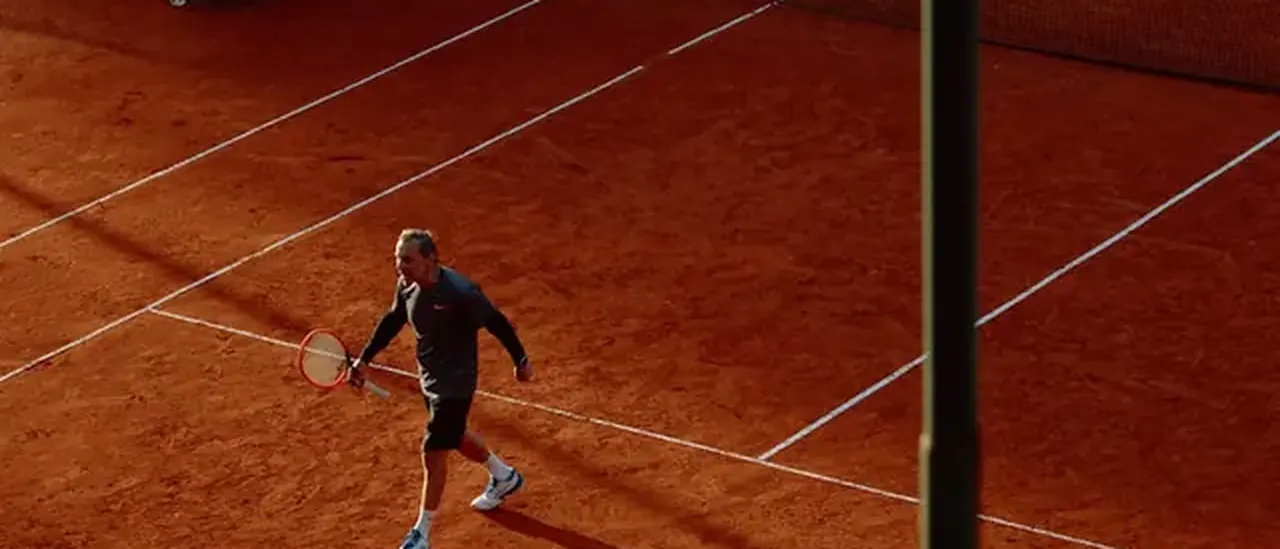
Symptoms: Mis-timed shots, awkward service tosses, and visible frustration. A perfectly struck rally ball might suddenly sail long or dip unexpectedly. The ball toss on serve becomes a lottery, leading to more double faults or conservative second serves. You’ll hear the wind whistling through the microphones on broadcast.
Causes: The relatively open grounds of the All England Lawn Tennis and Croquet Club can be susceptible to swirling winds, especially on the outer courts which have less protection from the stadium structures.
Solution: This is a mental and technical battle for the players.
- Tactical Adjustment: Smart players will reduce risk, aiming for higher margins over the net and focusing on ball placement rather than outright power. They’ll use more slice, which is less affected by wind.
- Service Adaptation: Players often lower their ball toss on serve to minimize the wind’s effect, sacrificing some power for consistency.
- Acceptance: There’s no stopping the wind. The key is to manage it better than your opponent. As a fan, recognize that odd errors might be weather-induced, not purely unforced.
Problem: Extreme Heat and Sun Affecting Players & Courts
Symptoms: Players visibly sweating, using ice towels during changeovers, and seeking shade. The grass can dry out, become brittle, and play faster. The bounce may become more unpredictable, and the famous Wimbledon turf can show more wear and tear, creating bad bounces.
Causes: While not as common as rain, heatwaves do occur. Direct, intense sunlight bakes the court, and high temperatures test player fitness and hydration.
Solution: Wimbledon has protocols for extreme heat.
- Heat Rule: The tournament referee can invoke an Extreme Weather Policy. This allows for a 10-minute break between the second and third sets in women’s singles and a similar break after the third set in men’s singles, if requested by a player.
- Player Management: Players utilize every second of the changeover for cooling down. Hydration and electrolyte replacement are critical. You’ll see them wearing caps and applying sunscreen.
- Court Care: Ground staff may lightly water the court between matches to keep the grass from becoming too dry and hard, though this is done carefully to avoid making it slippery.
Problem: Bad Light Stopping Play
Symptoms: Play continues on courts with floodlights (like Centre Court and No. 1 Court), but matches on outside courts are suspended. Players and officials squint, and the quality of play might drop as it becomes harder to see the ball.
Causes: Despite the long summer days, late-running matches or heavy daytime delays can push play into the evening hours. The All England Club’s outdoor courts do not have their own floodlighting, relying solely on natural light.
Solution: The rule is straightforward but can be dramatic.
- The Measurement: Officials use a light meter. When it falls below a predetermined level, play on the affected outside courts must stop.
- The Call: The umpire announces, “Bad light stops play.” The match is suspended until the next day. This has led to many tense overnight breaks in matches over the years.
- The Exception: The show courts with roofs have integrated lighting, allowing play to continue seamlessly under the roof, making these courts even more pivotal as the tournament progresses.
Problem: The "Roof Closed" Environment
Symptoms: A sudden change in atmosphere. The buzz of the crowd becomes more contained and louder. The ball sounds different off the racket. Players sometimes report that conditions feel slower and more humid.
Causes: When the retractable roof on Centre Court or No. 1 Court is closed due to rain or bad light, it creates an indoor arena. This eliminates wind and sun but introduces new variables like controlled air circulation and potentially different acoustics.
Solution: Adapting to the new conditions is crucial.
- Embrace the Consistency: The biggest advantage is the removal of wind and weather. Players can focus purely on tennis without external elements.
- Adjust to Conditions: Some players feel the ball fluffs up more and plays slower indoors. Tactics might shift slightly towards longer rallies. The increased humidity can also affect how the ball travels.
- Fan Experience: For those in the Royal Box and stands, it creates an incredibly intimate, intense atmosphere. The noise of the crowd is trapped, raising the decibel level for every big point.
Prevention Tips for Fans and Followers
While you can’t control the weather, you can be prepared for it: Check the Forecast Relentlessly: Before you join The Wimbledon Queue or plan your viewing day, look at hourly forecasts. The BBC and official Wimbledon app are excellent resources. Pack for All Seasons: A waterproof jacket, sun hat, sunscreen, and a layer for cooler evenings are essential for a day at the All England Club. Understand The Schedule: Know that weather can cause a domino effect. A rain delay on Court No. 1 can affect the start times of matches scheduled on outer courts. Flexibility is key. Follow Official Channels: For the latest updates on delays and the tournament draw rescheduling, follow @Wimbledon on social media and refresh the official order of play online. Appreciate the Drama: Remember, weather delays are part of Wimbledon traditions. They create legendary stories, like matches played over multiple days, which add to the rich tapestry of The Championships.
When to Seek "Professional" Help
In our troubleshooting context, "professional help" means knowing when to rely on the experts. For Tournament Logistics: If your travel or ticket plans are severely disrupted by multi-day weather issues, contact the AELTC ticket office or your official ticket provider for guidance. For Deep-Dive Analysis: To understand how a rain delay might affect a player’s rest or the seeding implications of a backed-up draw, turn to professional sports analysts and dedicated tennis media. Our own Wimbledon facts glossary can help decode these complexities. For Historical Context: Weather has shaped Wimbledon history, from the introduction of the roof to the abandonment of Middle Sunday. To explore this fascinating intersection of climate and sport, delve into resources like our feature on Wimbledon broadcasting & media history, which covers how technology helps us watch through the delays. * For Player Impact: Understanding how a lower-ranked player dealing with a stop-start match against a top seed is a nuanced topic. The pressure of resuming a match is immense, a factor often discussed in profiles of Wimbledon wild card entries, who may be less experienced in such high-stakes, interrupted play.
Ultimately, the weather is the one opponent at Wimbledon that no player can defeat. It adds a layer of unpredictability that has defined moments of heartbreak and heroism for those competing for the Gentlemen's Singles Trophy and the Venus Rosewater Dish. By understanding these weather-related "problems," you’re not just watching a tennis match—you’re appreciating a timeless battle against the elements.
Reader Comments (0)