

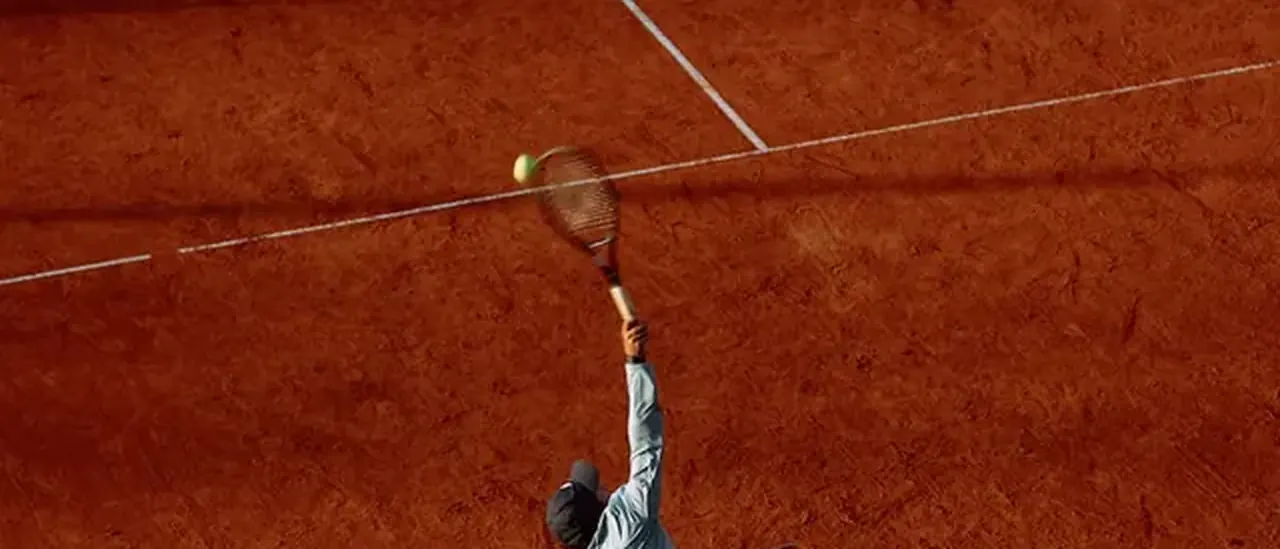
So, you’ve landed a gig stringing rackets at The Championships, Wimbledon, or perhaps you’re a dedicated player or coach who wants to adhere to the gold standard of preparation for the grass courts. Either way, you’re in the right place. Stringing a racket for the Wimbledon tournament isn't just about tension and technique; it's about upholding a legacy. The All England Club has a reputation for precision, and that extends right down to the strings in a player's racket.
In this guide, we’ll walk through the practical, must-know guidelines and unofficial rules that define professional stringing at the All England Lawn Tennis and Croquet Club. By the end, you'll have a clear checklist to ensure every racket you handle is tournament-ready, from a qualifier on the outside courts to a champion holding the Gentlemen's Singles Trophy on Centre Court.
Let’s get that racket prepped for the Wimbledon fortnight.
What You'll Need Before You Start
You can’t craft a masterpiece without the right tools. Before you even look at a racket, make sure you have these essentials ready. Think of this as your pre-Queue preparation—getting everything in order so the process is smooth.

A High-Quality, Calibrated Stringing Machine: This is non-negotiable. A constant-pull electronic machine is the tournament standard for precise, consistent tension. A drop-weight or lock-out machine might work for club play, but not here. Official Championship Strings: While players have personal sponsorships, all string used must be commercially available and unaltered. No "hybrid" sets that aren't sold as such by the manufacturer. Have a wide range of gauges (thicknesses) and materials (polyester, natural gut, multifilament) on hand. A Reliable Tension Calibrator: Your machine’s calibration should be checked daily during the tournament. Accuracy is everything. Sharp, Professional Tools: Side cutters, awls, starting clamps, and pliers. They should be clean and in perfect working order to avoid damaging strings or rackets. The Official Rulebook: Specifically, the ITF Rules of Tennis and the AELTC's specific tournament regulations. Know Rule 4 (The Racket) inside and out. A Clean, Organized Workspace: You’re working at Wimbledon, not a garage sale. A clean, well-lit space prevents errors and reflects the tournament's prestige. Patience and Focus: You’re not just stringing; you’re providing a critical service to the world's best athletes during the most intense two-week period of their year.
The Step-by-Step Stringing Process for Wimbledon
Follow these steps meticulously. This process respects both the technical rules and the unwritten traditions of excellence at The Championships.
Step 1: The Pre-String Consultation
This is where you separate a good stringer from a great one. Before you cut the old strings out, talk to the player or their coach. Discuss Historical Data: What tension, string, and pattern did they use last match? How did it feel on the grass surface? Assess Conditions: Is it a hot, dry year where the ball flies? Or damp and heavy? Grass court play often favors lower tensions for more control. Confirm the Details: Agree on the exact string type, gauge, tension (in pounds or kilograms), and stringing pattern. Get a signature or confirmation. This avoids "he said, she said" later.Step 2: Racket Inspection & Preparation
The racket is the weapon. You must inspect it like an armorer. Check for Damage: Look for cracks in the frame, especially around the grommets and throat. Check the grip for wear. Note any pre-existing damage with the player/coach. Remove Old Strings: Cut carefully in a cross pattern to release tension evenly and avoid stressing the frame. Remove all old strings completely. Clean the Grommets: Use an awl to clear any debris from the grommet holes. This ensures smooth string movement and prevents premature breakage.Step 3: Machine Setup & Calibration
This is the foundation of accuracy. Mount the Racket Securely: Ensure the racket is mounted symmetrically and securely in the machine without over-tightening, which can distort the frame. Set and Verify Tension: Input the agreed-upon tension. Use your external calibrator to verify the machine’s reading is accurate. Document the calibration check.Step 4: Stringing the Mains (Vertical Strings)
The mains are the backbone of the string bed. Start at the Head or Throat: Follow the manufacturer's designated pattern. The All England Club expects you to know these patterns for all major racket models. Maintain Consistent Tension: Weave the first few mains, using your starting clamp if necessary. Ensure each pull is smooth and the tension head engages correctly every time. Tie Off at the Designated Grommet: Know where the manufacturer specifies the main strings tie off. A clean, tight knot is essential.Step 5: Stringing the Crosses (Horizontal Strings)
This is where feel and control are fine-tuned. Weave Carefully: Weave one cross at a time. Avoid kinking the string, especially sensitive natural gut. For polyester, ensure a smooth weave to maintain its playability. Consider Friction: Use a soft awl or your fingers to straighten the crosses as you go, reducing friction burn where the cross strings meet the mains. This is a pro secret for consistent string bed response. Final Tie-Off: Again, use the designated tie-off grommet. The final knot must be secure and trimmed flush, leaving no sharp ends to snag or cut a player.Step 6: Final Inspection & Documentation
Your job isn't done when the last knot is tied. Check Tension Uniformity: Pluck the strings. Listen for a consistent pitch across the string bed. Visually inspect for any obvious tension loss or weaving errors. Measure the Final Product: Use a ruler to check the final string pattern is correct and symmetrical. Document Everything: Record the racket model, string type, tension, date, time, and client. This log is invaluable for players and is part of the professional Wimbledon service.Pro Tips & Common Mistakes to Avoid
Pro Tip: Humidity is Your Enemy (and Friend). Natural gut, a popular choice for its feel and power, is highly sensitive to humidity. In the damp London air, it can play tighter. Advise players accordingly and store gut strings in a climate-controlled environment. You can learn more about the unique playing surface in our guide to Wimbledon grass court maintenance. Pro Tip: Respect the Timeline. Players often need rackets on tight turnarounds, especially if a match goes five sets. Efficiency, without sacrificing quality, is key. It’s as much a part of the Wimbledon traditions as strawberries and cream. Common Mistake: Ignoring Grommet Wear. Worn or cracked grommets can saw through a new string in minutes. Always recommend replacing a damaged grommet strip. It’s a small fix that prevents a catastrophic break during a match point on No. 1 Court. Common Mistake: Over-Tensioning for Grass. Players thinking the low bounce requires higher tension is a classic error. Often, slightly lower tension aids in slice, volleying, and control—the hallmarks of grass-court tennis. Guide them based on conditions. * Pro Tip: The Pre-Stretch Protocol. For certain strings, a gentle manual pre-stretch can reduce initial tension loss. Know which strings benefit (some multifilaments, natural gut) and which can be damaged by it (some co-polyesters).

Your Wimbledon Racket Stringing Checklist Summary
Use this bullet list as your final walk-through before handing a racket back. Every point is crucial.
- Consultation Complete: Player/coach agreement on string, tension, and pattern documented.
- Racket Inspected: Frame and grip checked for damage, old strings fully removed, grommets cleaned.
- Machine Calibrated: Daily calibration check performed and logged.
- Racket Mounted: Securely and symmetrically in the stringing machine.
- Mains Strung: Correct pattern followed, consistent tension applied, clean tie-off.
- Crosses Strung: Careful weaving to avoid kinks, friction managed, clean tie-off.
- Final Inspection: String bed checked for consistency, tension verified by pitch, pattern measured.
- Documentation Updated: Full service details recorded for the player's log.
- Professional Presentation: Racket cleaned of any marks, grip tidy, handed over with confidence.
Now, go on. There’s a racket waiting, and The Draw won’t wait forever.
Reader Comments (0)