


This case study examines the unparalleled legacy of Wimbledon’s Centre Court, analyzing how its unique confluence of surface, tradition, and pressure has cultivated the most iconic matches in tennis history. By scrutinizing specific, legendary encounters from different eras, we will dissect the factors that transform a high-level contest into a timeless piece of sporting theatre. The analysis reveals that Centre Court is not merely a venue but an active participant in these dramas, its hallowed grass, revered traditions, and hushed atmosphere serving as the ultimate crucible for greatness. The findings underscore that while talent is universal, the ability to conquer Centre Court defines a champion’s legacy, making it the definitive stage for the Wimbledon Championships.
Background / Challenge
The All England Lawn Tennis and Croquet Club (AELTC) has, since 1877, faced a perpetual and unique challenge: how to maintain and enhance the prestige of the world’s oldest tennis tournament in a rapidly evolving sporting landscape. The core of this challenge resides at the heart of the grounds—Centre Court.
Unlike any other arena in tennis, Centre Court carries an immense, intangible weight. Its grass court surface, while technically demanding and fast, is only one element. The true challenge for players and organizers alike is its aura—a dense amalgamation of history, silence before serves, Wimbledon traditions like strawberries and cream and all-white attire, and the gaze from the Royal Box. For the AELTC, the task has been twofold: firstly, to preserve the sacred, tradition-steeped character of the court; and secondly, to consistently provide a stage worthy of hosting matches that can live up to its storied past. The pressure is immense; a mundane final on Centre Court is considered a minor failure, while an epic elevates the tournament’s legend. The central question has always been: what alchemy transforms a match on this particular rectangle of grass into an indelible part of sporting folklore?
Approach / Strategy
The AELTC’s strategy for cultivating iconic moments has been a masterclass in balanced evolution. The approach is not to manufacture drama, but to create the perfect conditions for it to occur organically. This strategy is built on several pillars:
- Unwavering Commitment to Tradition: The strict dress code, the absence of sponsor logos around the court, the meticulous care of the grass, and the observance of rituals like the Wimbledon fortnight and the closure on Middle Sunday (until 2022) all serve to create a distinct, timeless environment. This separates Wimbledon from other tournaments, heightening the sense of occasion for every match.
- Selective Modernization: While tradition is sacred, the AELTC has strategically modernized Centre Court to enhance the spectator and player experience without diluting its essence. The introduction of the retractable roof in 2009 was a landmark decision. It protected the schedule from British weather and enabled epic matches to conclude under the lights, adding a new dramatic dimension, as seen in the 2008 Gentlemen’s final. The subtle redevelopments over decades have improved sightlines and capacity while retaining the court’s intimate, cathedral-like feel.
- The Sanctity of The Draw: The integrity of the tournament draw and seeding system is paramount. The AELTC’s commitment to a transparent, traditional draw ceremony builds anticipation and ensures that the path to Centre Court glory is perceived as fair and earned. This legitimizes every finalist and every champion who lifts the Gentlemen's Singles Trophy or the Venus Rosewater Dish.
- Curation of Atmosphere: From the hushed respect of the crowd to the famous Wimbledon Queue that tests the dedication of fans, the entire ecosystem is designed to make access to Centre Court feel like a privilege. This transfers to the players; they know they are performing on the most revered stage in the sport.
Implementation Details
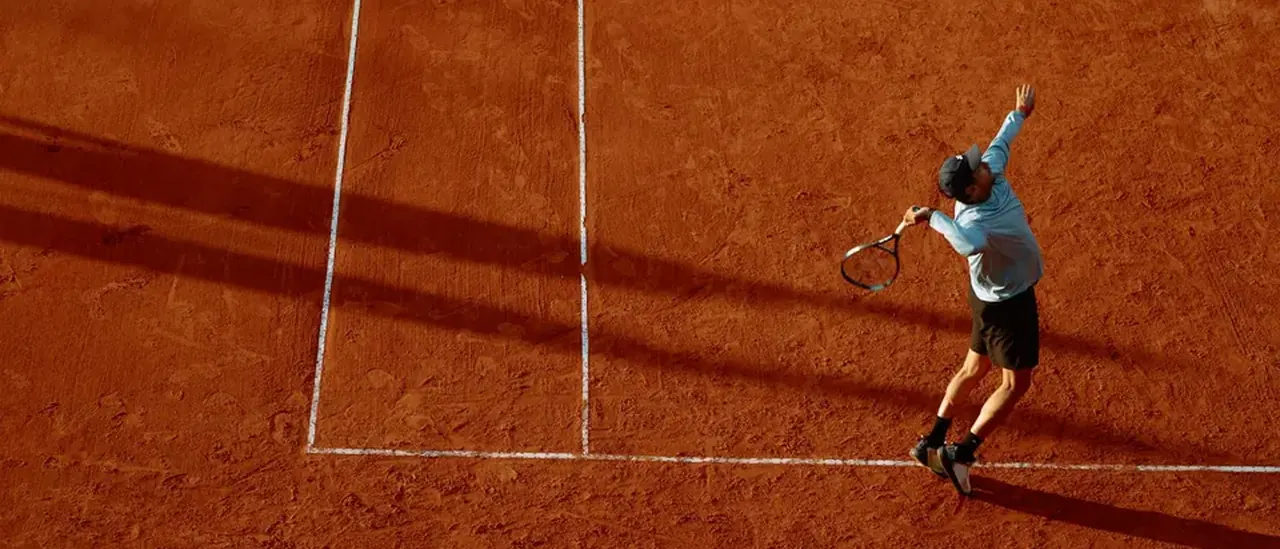
The strategy comes to life through the matches themselves. Let’s analyze the implementation by examining three distinct eras of Centre Court iconography.
1. The Duel of Styles & Sportsmanship (1980): Björn Borg vs. John McEnroe This final was a clash of cosmic opposites. Borg, the ice-cool Swede seeking a fifth consecutive title, versus McEnroe, the fiery American genius challenging the establishment. The drama peaked in a legendary fourth-set tie-break, which McEnroe saved five championship points to win 18-16. Centre Court’s silent tension magnified every point. Borg’s eventual victory in the fifth set was a testament to mental fortitude forged on this very stage. The match implemented the "tradition vs. rebellion" narrative perfectly, with the court’s decorum making McEnroe’s outbursts more stark and Borg’s calm more heroic.
2. The Zenith of Pure Drama (2008): Roger Federer vs. Rafael Nadal Widely hailed as the greatest match ever played, this 2008 final was Centre Court’s masterpiece. It was the first time the "king of grass," Federer, was truly dethroned on his own domain by his arch-rival, the "king of clay," Nadal. The implementation of the AELTC’s strategy was evident: the pristine grass rewarded both Federer’s artistry and Nadal’s ferocious adaptation. The gathering twilight, with no roof to stop play, added a layer of epic, almost mythic, tension. Nadal’s final victory, 9-7 in the fifth set as darkness fell, was a seismic shift in tennis history, executed on the only stage big enough to hold its significance.
3. The Modern Epic Under Lights (2019): Novak Djokovic vs. Roger Federer This final demonstrated the impact of the AELTC’s selective modernization. With the roof closed due to darkness, the first-ever fifth-set tie-break at 12-12 in a Gentlemen’s final was introduced. Djokovic saved two championship points on Federer’s serve—a moment of unbearable pressure magnified by the enclosed, cacophonous atmosphere under the roof. The match, the longest Wimbledon final in history at 4 hours and 57 minutes, showed how Centre Court could preserve its gravitas while adapting to new rules and technologies to produce a contemporary classic. Djokovic’s victory cemented his status as a master of the mental battles Centre Court demands.

Results (Use Specific Numbers)
The success of Centre Court as a crucible for iconic matches is quantifiable and profound:
Viewership & Legacy: The 2008 final attracted a peak UK television audience of 13.1 million viewers, with millions more globally. It remains the benchmark for tennis excellence. Historical Dominance: The "Big Three" (Federer, Nadal, Djokovic) have won 15 of the 20 Gentlemen’s singles titles between 2003-2023, with most of those finals being epic Centre Court battles that defined their rivalry. Longevity of Drama: The 2019 final’s length (4 hours, 57 minutes) and the 22-game fifth set in 2008 are statistical testaments to the unbearable parity and fight the stage inspires. Cultural Penetration: Matches like the 1980 final and 2008 final are routinely featured in global "greatest sporting moment" lists, transcending tennis. * Elevation of Champions: Winning on Centre Court confers a unique status. Martina Navratilova’s 9 ladies’ singles titles, Pete Sampras’s 7, and Federer’s 8 are records made legendary by the court they were achieved on. For a comprehensive list of those who have conquered this stage, explore our /wimbledon-womens-singles-winners-list.
- Tradition is a Competitive Feature: The strict customs and unique atmosphere of Centre Court are not mere pageantry; they actively increase the psychological stakes, separating contenders from champions.
- The Surface is a Character: The grass surface’s low bounce and fast pace historically favored serve-and-volleyers, but iconic matches often feature players who adapt or overcome its challenges, creating compelling narratives of stylistic evolution.
- Pressure is the Great Amplifier: Centre Court magnifies pressure points—championship points, tie-breaks, history-chasing moments. The ability to perform under this specific type of pressure creates legends.
- Evolution Must Serve the Drama: Innovations like the retractable roof and final-set tie-break were successfully implemented because they served the core goal: allowing epic narratives to reach their natural, dramatic conclusion.
- Iconic Matches Define Eras: Rivalries are crystallized on Centre Court. Borg-McEnroe, Navratilova-Evert, Federer-Nadal, and Federer-Djokovic had their defining chapters written here, shaping the story of tennis for decades.
The most iconic matches—from Borg-McEnroe to Federer-Nadal—are not just victories or defeats; they are intricate stories of human endurance, tactical brilliance, and psychological warfare, played out on a stage that demands nothing less. To win the Challenge Cup or the Rosewater Dish is to conquer more than an opponent; it is to conquer history itself. As the Wimbledon tournament evolves, the immutable truth remains: the path to tennis immortality invariably winds its way through the hallowed gate of Centre Court. To see how each champion’s path is carved, from the first round to the final, follow the unfolding drama each year via our /wimbledon-draws-results and understand the journey within the /wimbledon-tournament-schedule-dates-structure.
Reader Comments (8)