


For any player, stepping onto Centre Court at the All England Lawn Tennis and Croquet Club represents the pinnacle of the sport. It is more than just a grass court; it is a sacred theatre where history is written, legends are forged, and the very essence of Wimbledon traditions is palpable in the air. This hallowed rectangle of pristine turf has witnessed every defining moment of The Championships, Wimbledon, from epic five-set battles to coronations of new champions. Understanding Centre Court is to understand the soul of the tournament itself. This comprehensive guide delves into its history, unique features, legendary moments, and the practical magic of experiencing it, whether as a player or a spectator.
The Heart of the Championships: An Architectural and Historical Icon
Centre Court is the undisputed epicenter of the Wimbledon fortnight. Its current iteration, opened in 1922 after the All England Club moved from its original Worple Road site, has evolved while fiercely protecting its character.
A Stage Designed for Drama
The court’s unique positioning—sunken below ground level—was originally a practical measure to reduce wind. This design inadvertently created an intimate, coliseum-like atmosphere, amplifying the pressure and the roar of the crowd. The most significant architectural change came with the installation of the iconic retractable roof in 2009. This engineering marvel, which takes under ten minutes to close, ensures play continues regardless of the famed British weather, transforming day matches into dramatic indoor spectacles under lights without losing the natural grass court feel.Above the players’ entrance sits the famous quote from Rudyard Kipling’s poem “If—”: “If you can meet with Triumph and Disaster / And treat those two impostors just the same.” It serves as a poignant reminder to every competitor of the fine line they walk on this stage.
Traditions and Pageantry: The Centre Court Rituals
The ritual of Centre Court is as important as the tennis. Play traditionally begins at 1:00 PM, except for the finals. The tournament opens here on the first Monday with defending Gentlemen’s Singles champion accorded the honor of playing the first match—a tradition underscoring respect for the reigning king.
The presence of the Royal Box adds a layer of ceremonial grandeur. Its occupants, which can include members of the British royal family, dignitaries, and past champions, are greeted with a standing ovation from the crowd at 2:00 PM sharp if they are present. The strict dress code for players—all-white attire—further enforces a sense of timeless tradition and purity against the green backdrop.
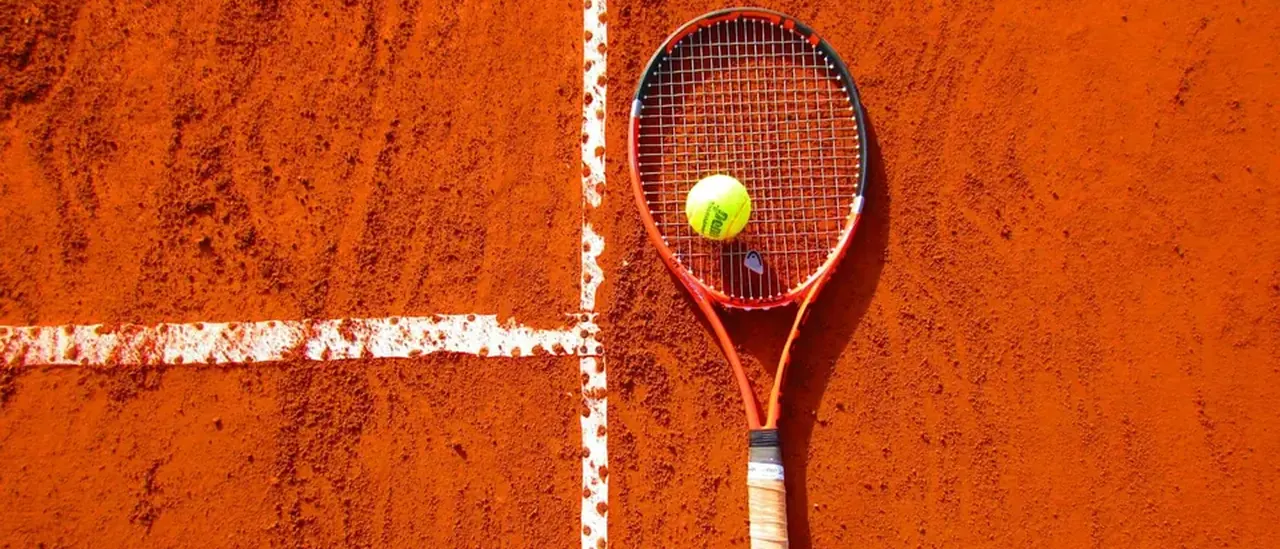
No discussion of Wimbledon traditions is complete without mentioning the culinary icon: strawberries and cream. Consumed by the ton over the fortnight, this simple treat is synonymous with the Centre Court experience for spectators.
The Crucible of Champions: Defining Moments on the Lawn
Centre Court’s history is a tapestry woven from matches of extraordinary skill, nerve, and emotion. It is where champions are truly tested.
Legends and Their Legacies
The court has been a second home to icons like Roger Federer, whose eight Gentlemen’s Singles titles were largely won here, and Martina Navratilova, who claimed a record nine ladies’ singles crowns. It witnessed Pete Sampras’s tearful farewell in 2002 and Serena Williams’s relentless power for over two decades. These champions didn’t just win; they shaped the identity of the arena. For deeper dives into these iconic figures, explore our Wimbledon player profiles and legends.Matches Etched in Memory
Certain matches transcend sport. The 2008 Gentlemen’s Singles final between Roger Federer and Rafael Nadal, often called the greatest match ever played, culminated in near-darkness and a victory for Nadal that ended Federer’s five-year reign. In 1980, the fiery rivalry between Björn Borg and John McEnroe reached its zenith in a tie-break for the ages. More recently, the 2019 Ladies’ Singles final saw Simona Halep produce what she called “the best match of my life” to defeat Serena Williams. Each of these battles added a new layer to the court’s mythos.The Path to Glory: Tournament Mechanics on Centre Court
Understanding how players arrive on Centre Court involves the intricate mechanics of The Championships.
The Draw and Seeding
A player’s journey begins with The Draw. The Wimbledon draw is a complex process that determines the tournament bracket. Seeding, based on a player’s world ranking with adjustments for grass court performance, is crucial. The top 32 seeds are placed in the bracket to avoid facing each other in the early rounds, theoretically ensuring the best players progress to the latter stages where Centre Court awaits. The ultimate goal for every competitor is to see their name on the draw sheet for a Centre Court final.The Ultimate Prizes
Victory on the final Sunday bestows immortality and one of two iconic trophies. The Gentlemen’s Singles champion lifts the Gentlemen's Singles Trophy, officially the Challenge Cup, a gleaming gold cup adorned with pineapples. The Ladies’ Singles champion is presented with the Venus Rosewater Dish, a stunning silver salver engraved with mythological figures. These are not kept by the winners but immortalized on the honour boards inside the Club.A Spectator’s Guide: Experiencing Centre Court Magic
Securing a seat on Centre Court is a bucket-list achievement for any tennis fan. Here’s how to navigate the experience.

Securing Your Ticket
There are three primary routes:- The Public Ballot: Entered months in advance, this lottery is the main way to purchase face-value tickets for Centre Court, especially for the later rounds.
- The Queue: An institution in itself, The Queue (or Wimbledon Queue) offers a limited number of premium show court tickets, including for Centre Court, each day. It requires dedication—often an overnight camp—but is a quintessential part of the Wimbledon adventure and a testament to the tournament’s democratic spirit.
- Hospitality Packages: Official packages offer guaranteed seats, often with dining, but at a premium price.
On the Day: Etiquette and Tips
Arrive Early: Explore the grounds, watch matches on the outside courts, and soak in the atmosphere. Visit the No. 1 Court area, the second show court with its own vibrant energy. Respect the Rituals: Stand and applaud when the Royal Box party enters. Maintain quiet during points and applause during rallies. Prepare for the Elements: Even with the roof, British weather is unpredictable. Bring sunscreen, a hat, and a waterproof layer. Savour the Moment: Pause to appreciate where you are. Look at the lush grass surface, the ivy on the walls, the scoreboards. You are sitting in a living museum of sport.One of the most unique scheduling features is Middle Sunday. Traditionally a day of rest for the grass and the community, it was historically kept free of play. While this tradition has been occasionally broken in the modern era due to rain delays, it remains a cherished part of the tournament’s rhythm, emphasizing its respect for its own history and surroundings.
Conclusion: More Than a Court, a Legacy
Centre Court at Wimbledon is not defined by its concrete and grass alone. It is defined by the silence before a serve on match point, the collective gasp at a passing shot, the thunderous applause for a champion, and the weight of 140 years of history. It is where the Wimbledon Championships are distilled into their purest form: a test of skill, character, and tradition under the most intense scrutiny in the sport.
Whether you are studying its history, planning a pilgrimage via The Queue, or simply dreaming of watching a final, understanding Centre Court deepens your appreciation for this unparalleled event. To learn more about the terminology and unique facts that shape The Championships, continue your exploration in our comprehensive Wimbledon facts and glossary.
Reader Comments (0)